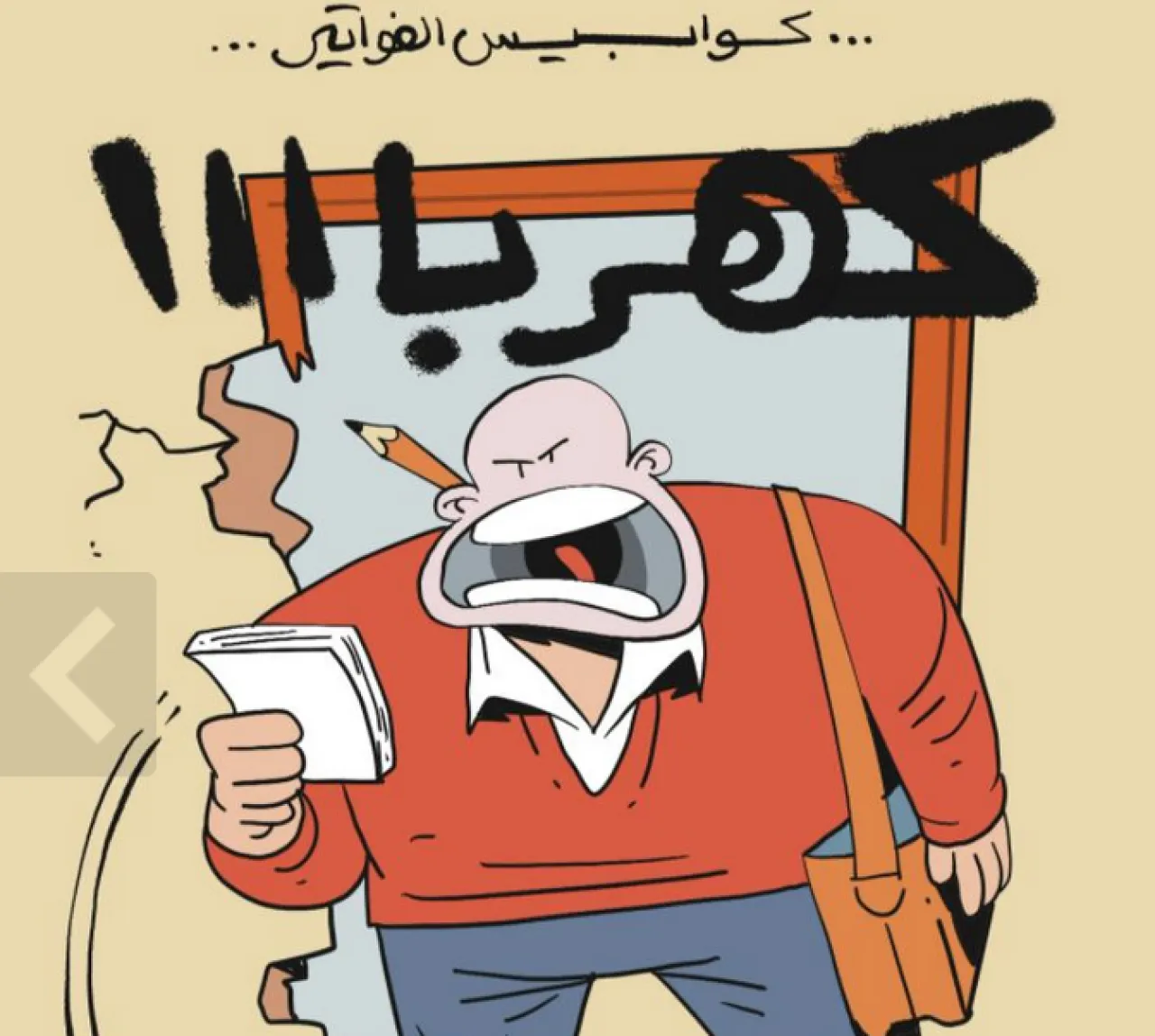
Khaberni - Over the past years, and with the start of each winter, Jordanian citizens suffer from a significant increase in their monthly electricity bills, which is noticeably higher compared to the rest of the year, causing discontent and questioning among the Jordanian public, according to Khaberni’s observations
Despite the annual recurrence of this phenomenon as noted by Khaberni, the meetings held by the Committee on Energy and Mineral Resources in the House of Representatives, attended by the Minister of Energy, the Chairman of the Energy Sector Regulatory Authority, and the directors of electricity distribution companies, have been repeated over the years without arriving at concrete solutions. These authorities often justify the increase by increased consumption or residents moving from one tariff bracket to another, yet this does not reflect on the ground in improving or alleviating the burdens on the citizens.
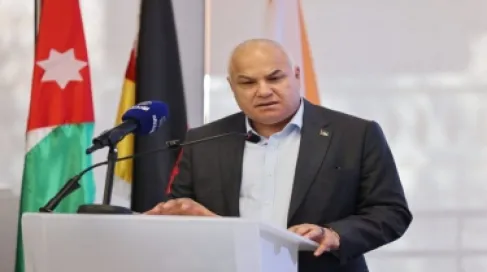
In this context, the oil and energy expert, Amer Shoubaki, has stated in previous remarks that electricity distribution companies distribute the costs of "stolen" electricity among compliant subscribers, attributing the continuous rise in bills to the costs the consumers bear for losses in distribution networks due to thefts, illegal withdrawals, and technical defects in the infrastructure, according to him.
Shoubaki added, according to Khaberni's monitoring, that the loss rate in electricity companies reaches 9%, a rate that exceeds the internationally allowed limit of 4%. He pointed out that the doubling of bills and increasing complaints might also be linked to meters that give inaccurate readings, or a decrease in the strength of electric current, leading to higher consumption by electric devices. He called for an unbiased entity to study these complaints.
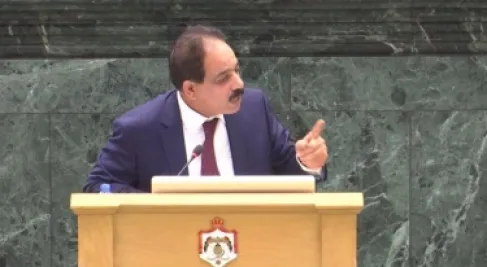
On his part, the former General Manager of the National Electricity Company, Ahmad Al-Hayyat, explained in previous statements that the electrical loss is part of the cost per kilowatt/hour that the government considers when setting the tariff, but he confirmed that this loss is not directly charged on the citizen's bill, but is calculated within the established tariff structure.
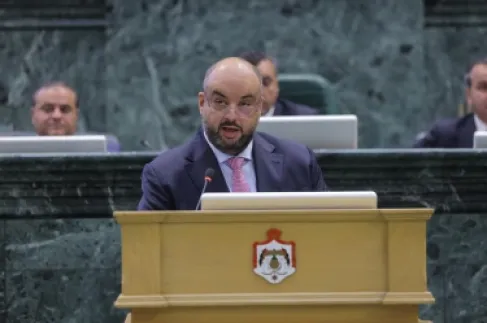
Conversely, the former chairman of the Parliamentary Energy Committee, Deputy Hussein Al-Qaisi, during his term as committee chair in the House of Representatives, estimated the electrical loss at about 200 million dinars, noting that both the consumer and the electrical system bear this burden collectively.
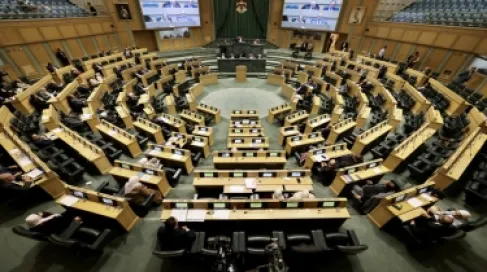
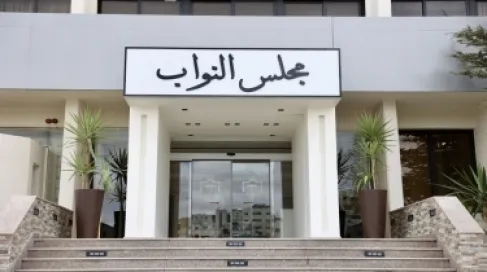
Today, Wednesday, an expanded session of the Parliamentary Energy Committee is held to discuss this file, with the participation of all relevant parties, in a new attempt to understand the recurring reasons for the rise in bills during the winter, amid increasing calls for practical steps to protect the citizen and ensure the sustainability of the sector without imposing additional burdens.