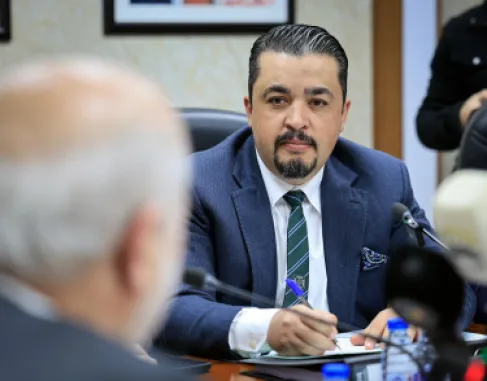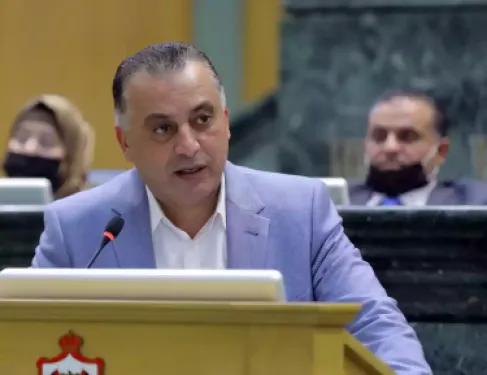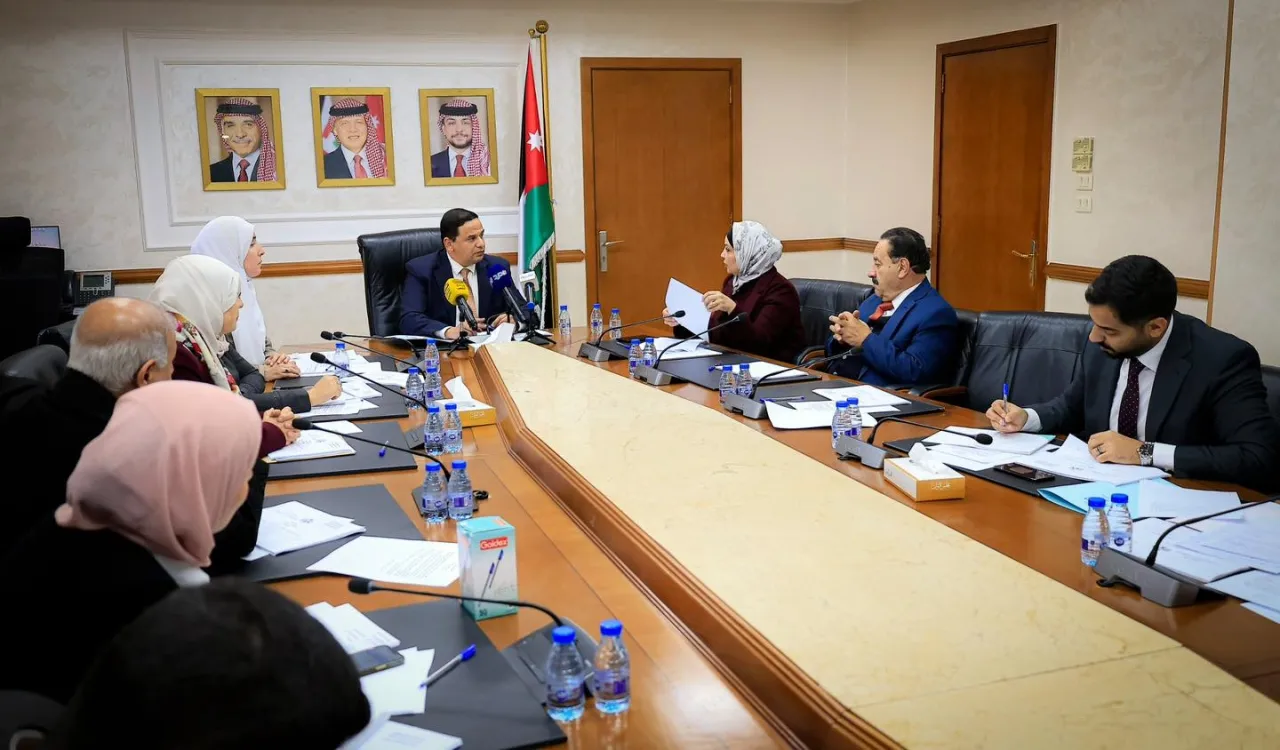
Khaberni - The Parliamentary Energy and Mineral Resources Committee held a meeting today chaired by MP Dr. Ayman Abu Haniya, dedicated to conducting a preliminary study of the gas law project for 2025.
Abu Haniya stated that the gas law project provides a modern and comprehensive legislative framework for regulating the activities of the gas and hydrogen derivatives sector in the kingdom, responding directly to the upcoming phase requirements in the energy sector, in terms of supply security, the gradual transition to clean energy, or enhancing the national energy infrastructure.
He explained that the bill is characterized by clear legislative flexibility, as it includes multiple types of gas, including natural gas, biogas, biomethane, and hydrogen, in line with global shifts in the field of sustainable energy, enabling Jordan to keep up with technological and investment developments in this vital sector.
Abu Haniya highlighted that the bill comprehensively covers the main gas activities, including import, transport, distribution, storage, and wholesale and retail sale, within an integrated system that allows for joint or self-use of facilities, and provides legislative clarity in regulating the various stages of the value chain.
He noted that the bill facilitates the implementation of major economic and strategic projects, and encourages investment in the gas sector through a clear regulatory environment and simplified licensing procedures covering all project stages, which would stimulate the shift to natural gas and expand the transport, distribution, and storage networks, positively reflecting on the national economy.
Abu Haniya pointed out that the bill establishes clear mechanisms for calculating fees and returns, and grants licensees the freedom to sign investment agreements and gas sales within a transparent environment based on fairness and competitiveness, maintaining a balance between the rights of the state and the rights of investors.
He explained that the bill charges the Ministry of Energy and Mineral Resources with the responsibility for offering competitive tenders or the solicitation and receipt of direct bids to develop joint infrastructure projects, where ownership of these facilities and infrastructure projects would revert to the government, within a regulatory framework that ensures the continuity of gas supply and protects investors’ rights.
Abu Haniya affirmed that the innovations included in the bill would enhance Jordan's regional standing in the field of gas infrastructure and its derivatives, and regulate transit and export activities according to clear and agreed standards, supporting the kingdom's role as a regional energy hub.
He also referred to the bill's requirement to apply international operational standards, ensuring the quality of gas and its conformity to approved specifications, including the adoption of certificates of origin for green hydrogen, as part of the national transition to sustainable energy and enhancing the global markets’ confidence in the Jordanian product.
Abu Haniya clarified that the bill enhances the role of the Energy and Minerals Regulatory Commission as an independent regulator with full powers to supervise and monitor, protecting investors' rights, ensuring market balance, and enhancing governance and transparency principles.
For their part, the deputies: Jamal Qamoh, Naseem Al-Abadi, Rakeen Abu Haniya, May Al-Harahsheh, Iman Al-Abbasi, and Khader Bani Khalid, emphasized the importance of the gas law project for 2025 and its comprehensive legislative provisions impacting a strategic and vital sector, stressing that this matter requires utmost attention in terms of deep discussion, specialized research, and reviewing other countries’ experiences and comparative models in regulating the gas sector and its derivatives, contributing to achieving a balanced legislation that enhances energy security, encourages investment, and protects the supreme national interest.
Regarding the mining agreement in the Abu Khashibah area, Dr. Abu Haniya said that the Parliamentary Energy Committee would handle it with the highest degrees of transparency and national responsibility, asserting that the committee is keen to give this agreement its full right in careful study and scrutiny, reviewing all its technical, financial, legal, and environmental details, ensuring protection of the supreme national interest, and achieving the best possible return for the Jordanian economy.
Abu Haniya added that the committee would open this file within a clear institutional framework, and would discuss it thoroughly away from any rush, calling all parliamentary blocs to study the agreement, and provide their observations and proposals to the Energy Committee, starting from the principle of collaborative work aimed at improving parliamentary performance, enhancing the quality of decisions made, and establishing an institutional approach in dealing with major national files.
In another context, Abu Haniya announced that the "Parliamentary Energy" is about to hold an extensive meeting in the coming period, including all relevant parties, to discuss the issue of the noticeable rise in electricity bills during this period of each year, and to examine the technical and regulatory causes, the approved pricing mechanisms, and discuss ways to find practical solutions that contribute to relieving the citizens.
Abu Haniya emphasized that the committee views the issue of electricity bills as a sensitive livelihood issue affecting all citizens, stressing the importance of coming out with realistic and implementable recommendations that balance the sustainability of the energy sector and consumer protection, and take into account the economic and social circumstances of the citizens.