Khaberni - NASA and space experts have disclosed that in the event an astronaut dies on the moon’s surface, the body will not decompose as it does on Earth. Instead, it will turn into something resembling a "lunar mummy," as studies and simulations conducted by the American space agency show that bodies in space are subjected to harsh conditions that prevent natural decomposition.
Former astronaut and commander of the International Space Station, Chris Hadfield, explained that NASA conducts "death simulations" to train astronauts to handle such scenarios.
Hadfield said, "If an astronaut dies during an extravehicular activity, I would first bring them into an airlock and keep them inside the pressurized space suit, as bodies decompose faster inside the suit and we want to avoid the spread of decomposing odors or gases."
He added that the body is stored in a cool place onboard the station to minimize any health hazards.
In case of death aboard the International Space Station, the handling options for the body can include returning the body to Earth, ejecting it into a disposal orbit, or allowing it to enter the atmosphere to disintegrate and burn up.
The decisions depend on the wishes of the astronauts who might provide advance directives to NASA, according to iflscience.
For longer missions, such as trips to Mars, space agencies might resort to advanced techniques, such as freezing the body outside the spacecraft and then disintegrating it using a robotic arm, to reduce weight and ensure environmental safety onboard.
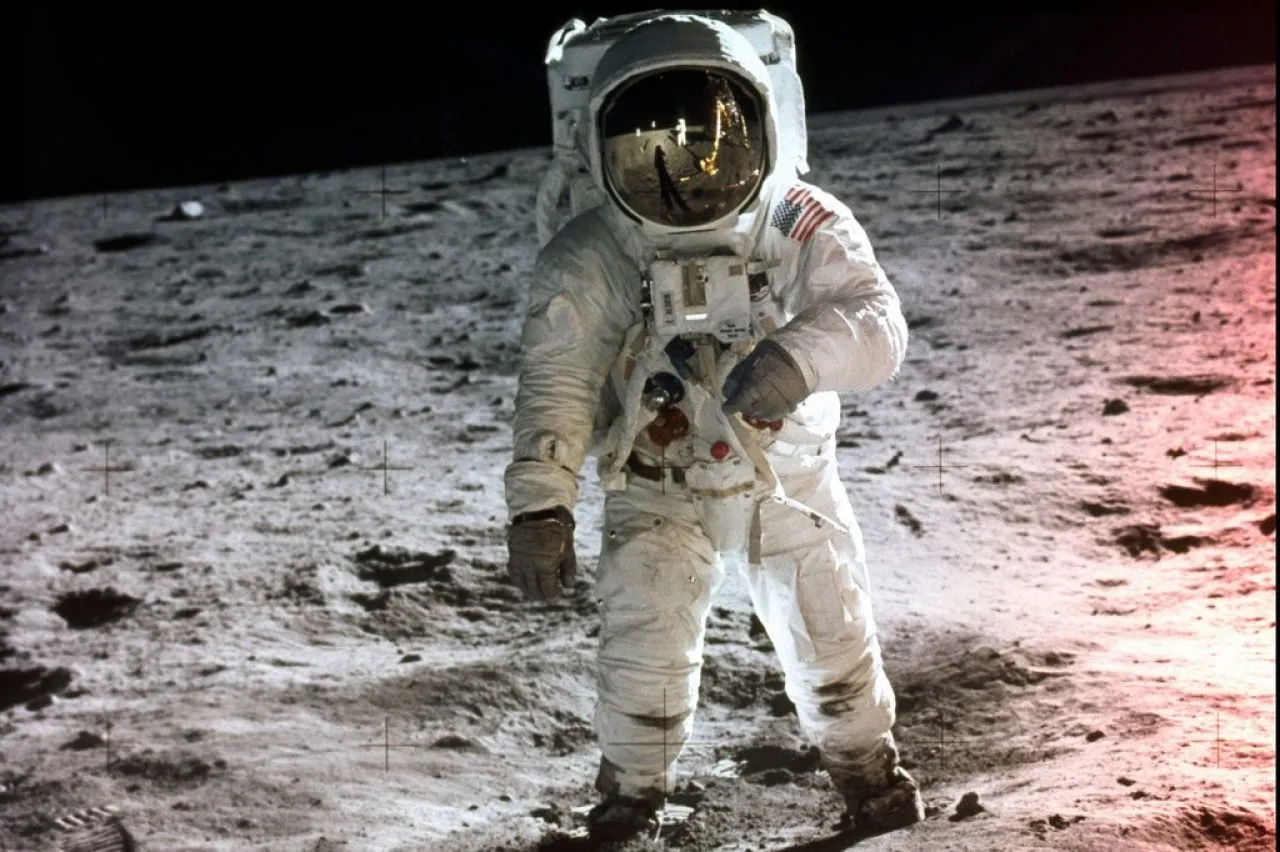
On the moon's surface, things are more complicated. Death during the lunar day might initiate internal decomposition by bacteria, but the body's water content would quickly evaporate due to the lunar vacuum, stopping decomposition.
As the long lunar night, which lasts 14 Earth days, sets in, the body would freeze completely, halting bacterial activity, thus partially preserving the body as a "lunar mummy."
In addition, the body is exposed to space radiation which over time may cause bone fragmentation, while temperature fluctuations between 127 degrees Celsius during the day and minus 173 degrees Celsius at night might cause continuous expansion and contraction, leading to the body disintegrating. If the body is buried under the moon’s surface, it would remain preserved at low temperatures for several years.
The study concludes by indicating that death in space poses a significant logistical challenge for space agencies, thereby hoping that no deaths occur far from Earth.