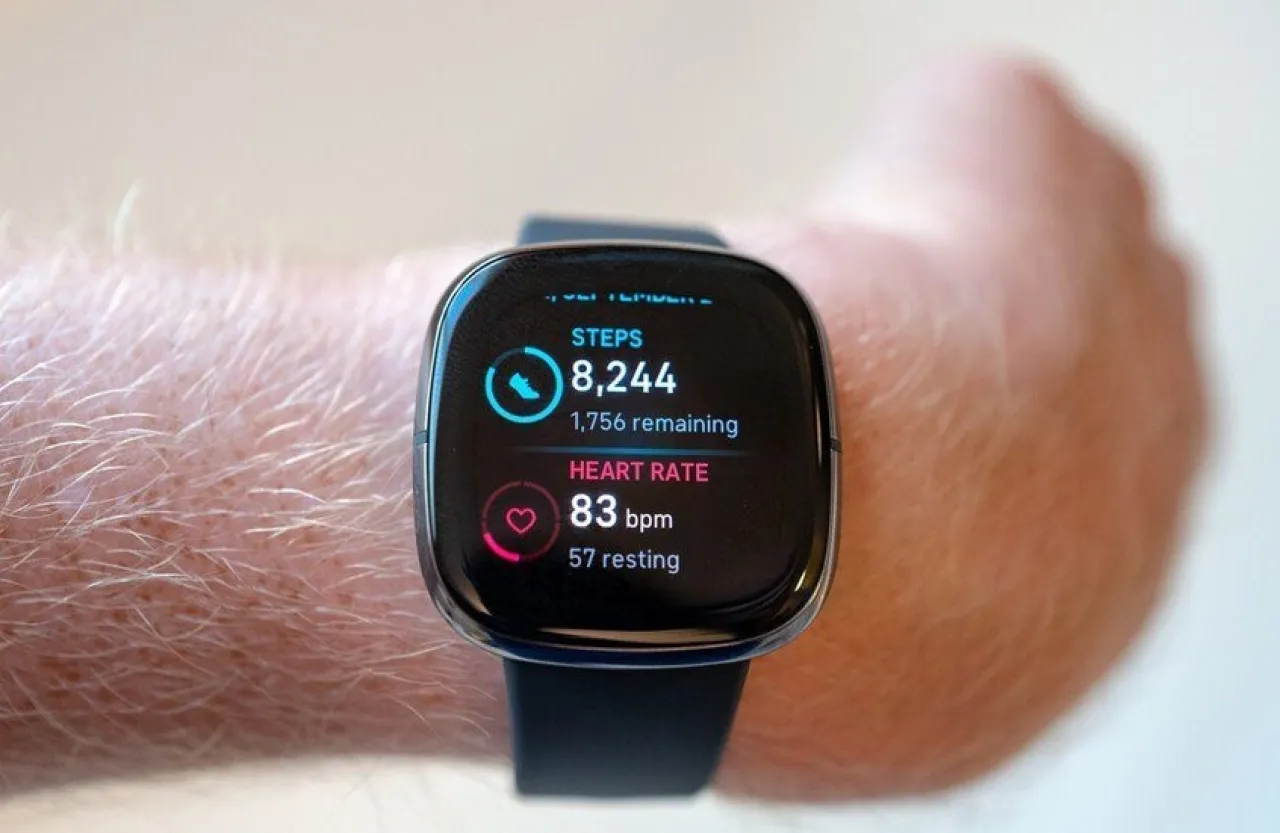
Khaberni - The firing of a worker from Jiangsu Province in China, due to his high number of steps during sick leave, sparked a legal controversy, as the court ruled the firing illegal and awarded him compensation, shedding light on the issue of digital monitoring, remote tracking, and employee rights at the workplace.
The case gained wide attention after the employer fired a worker claiming he took 16,000 steps during his sick leave, alleging that the level of the worker’s activity was inconsistent with his health-related absence, suggesting he falsified his health condition. However, a court ruled against the company and ordered a compensation of 118,779 yuan ($16,700), affirming the legitimacy of the worker's sick leave.
Wide debate around the crisis
This incident has become the subject of widespread debate, as it highlighted the increasing use of digital surveillance tools by employers to track their employees' physical activity. In this case, the employer used data related to the worker’s step count as a basis for dismissal, arguing that this activity contradicted his unfitness for work.
However, the court found that the evidence provided by the company was insufficient to prove dishonesty or violation of sick leave protocols. The case has drawn public attention not only for the amount of compensation granted but also for potentially setting a legal precedent regarding the use of digital data in employment disputes.
Illegal use of private data by the company
The employee's dismissal spotlighted the ongoing debate over privacy and the use of personal data in hiring decisions, reflecting a broader trend of companies using technology to monitor workforce behavior.
This has raised concerns among privacy advocates and legal experts, who argue that such practices could violate employees' rights outside the workplace. The increasing prevalence of wearable devices and smartphone applications has facilitated employers' ability to collect personal health and activity data, raising questions about the limits of acceptable workplace surveillance.
Chinese media reports indicated that the court found the dismissal illegal, ruling that the step count alone was not sufficient evidence of misconduct. The judgment affirmed the validity of the employee's sick leave and ruled that compensation for the unlawful dismissal should be provided.
This decision is considered an important statement regarding the limits of employer surveillance. In its ruling, the court emphasized the need for employers to provide comprehensive evidence when challenging the legitimacy of sick leave, instead of relying solely on isolated metrics such as step counts.
This judgment may prompt both employers and employees in China to reconsider their approaches to verifying sick leaves and digital surveillance, and by reaffirming the validity of the worker’s absence and awarding compensation for the arbitrary dismissal, the court reinforced the principle that workplace discipline should be based on fair and transparent procedures.
This case serves as a reminder of the need to use technology responsibly and to protect employee rights even as new surveillance methods are adopted.