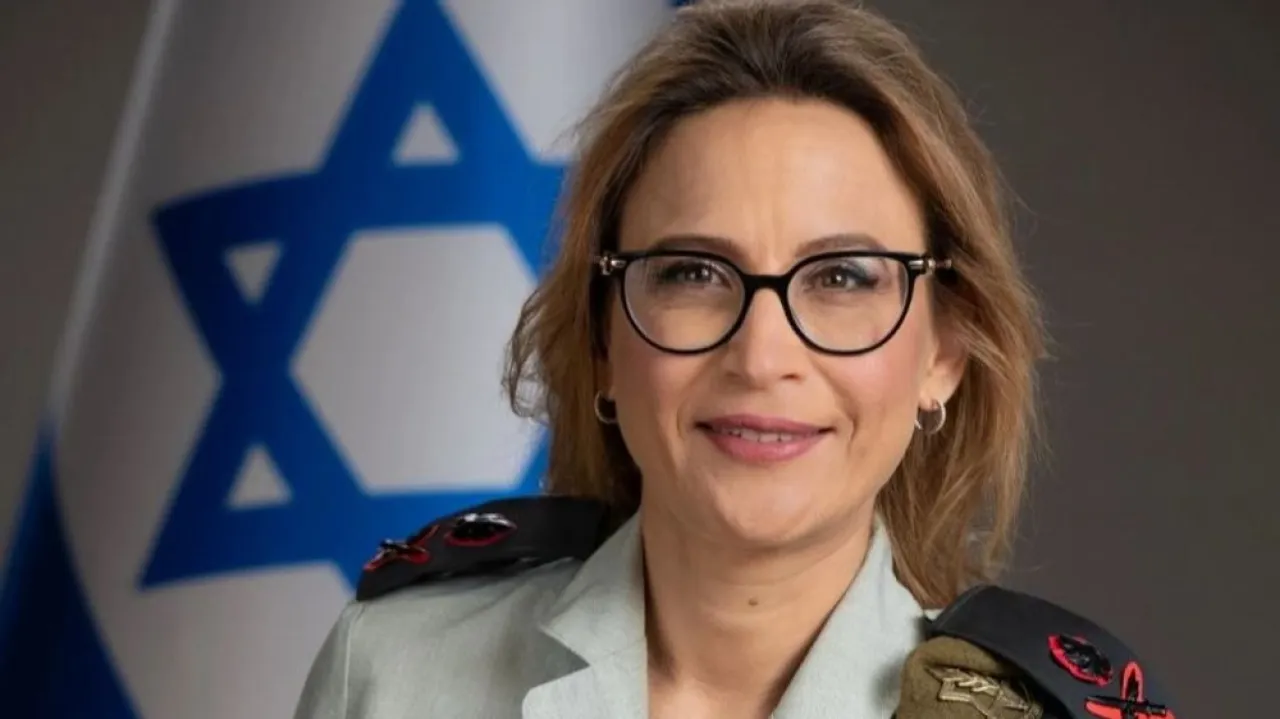
Khaberni - An Israeli court has rejected the appeal submitted by the former military prosecutor in the army, Yifat Tomer-Yerushalmi, against the decision to extend her detention on the grounds of investigations related to serious suspicions.
Tomer-Yerushalmi requested to attend the appeal session via "Zoom," claiming her psychological condition had deteriorated and that she needed rest, but the court refused the request, stating, according to the judge's decision, that there was "reasonable doubt" which necessitated continuing her detention to ensure the completion of the investigations and to prevent any attempt to influence her.
The hours leading up to Tomer-Yerushalmi's arrest saw a state of alert after a farewell letter she had left at her home was found, prompting the police to launch a wide search fearing she might commit suicide. Her phone was detected near Tel Aviv beach before she contacted her husband from another phone, which enabled security forces to locate her and find her.
In a previous session today, the Magistrate's Court decided to extend the detention of Tomer-Yerushalmi and the former chief military prosecutor Matan Solomsh for three days, amidst tense atmosphere, as the former officer broke down in tears as soon as the decision was issued.
During the session, a representative of the Israeli police stated that the case was of "high public interest" and involved serious suspicions of obstructing the investigation, noting that seven people had been interrogated so far, among them five suspects.
On the other hand, the defense attorney questioned the continued detention of his client despite the seizure of her phones, the examination of her communication groups, and extensive searches, proposing home detention instead of arrest. However, the police representative affirmed that "additional investigative steps are necessary" and that her continued detention was essential.
In her ruling, the judge emphasized that "the investigation is not yet complete" and that there are ongoing concerns about obstructing the course of justice, confirming that health and psychological considerations had been taken into account, but they "do not negate the need for continued detention for the investigation."
The case has attracted widespread interest within the Israeli security establishment due to the sensitive positions held by both Tomer-Yerushalmi and Solomsh, amidst questions about the scope of potential violations within the military and judicial system of Israel.