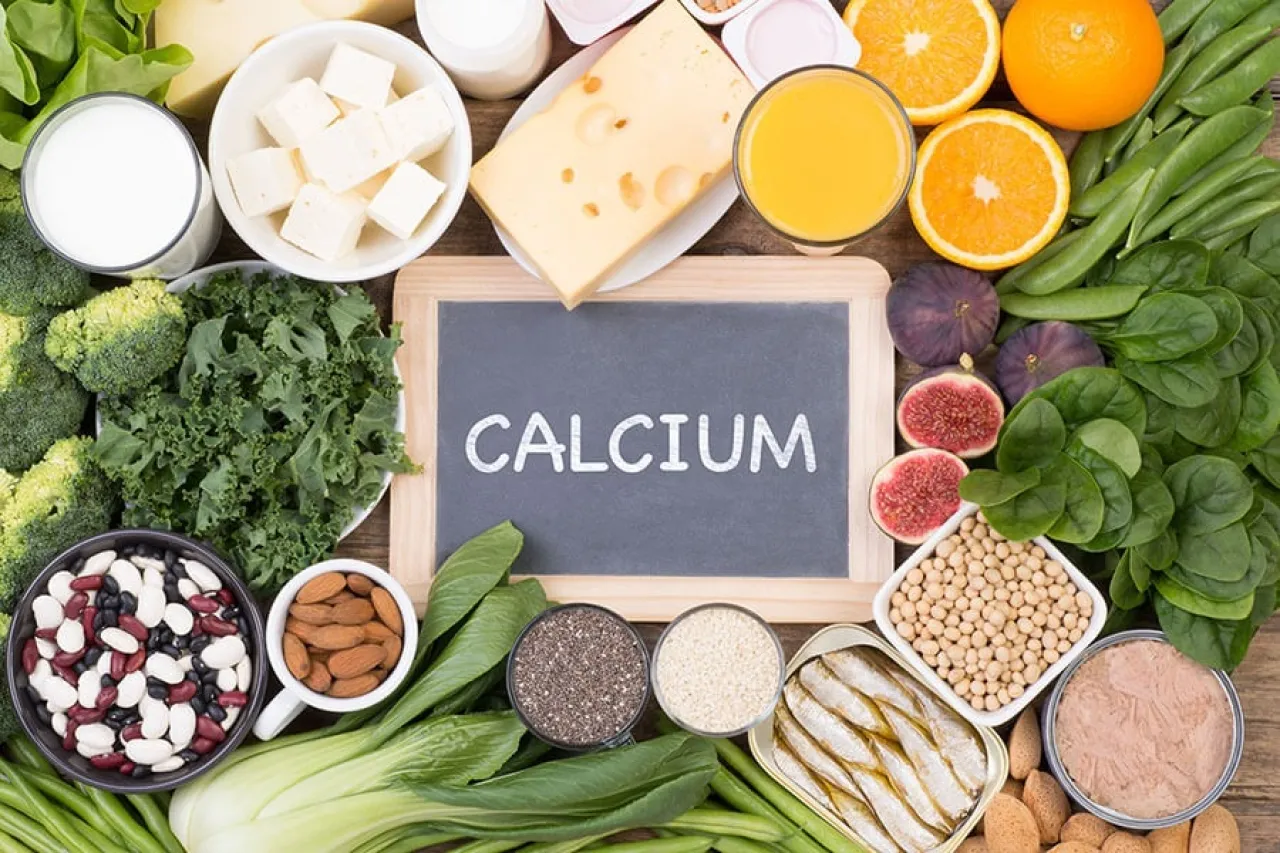
Khaberni - Milk is famous for its rich calcium content, but you may be surprised by other foods that can help you meet your needs for this important element.
Calcium is necessary for building and maintaining healthy bones and teeth, and to ensure proper functioning of the heart, nerves, and muscles.
When it comes to calcium, the first food that comes to mind is cow's milk, and no doubt cow's milk is an excellent source of calcium, providing one cup (8 fluid ounces) 309 milligrams or 24% of the Daily Value (DV).
But milk is not the only food rich in calcium; there are many other foods that contain more calcium than one cup of cow's milk.
Foods Containing Calcium
Website eatingwell reviewed some of the foods rich in calcium, and tasty recipes that can be prepared, as follows:
1- Tofu
1 cup = 506 mg (38% DV).
Adding calcium sulfate, an ingredient used to solidify soy milk to make tofu, significantly increases the calcium content in this plant-based food.
Tofu is also a low-fat, cholesterol-free, complete protein, which makes it an excellent choice for vegetarians.
Firm tofu can be sliced or cubed and added to stir-fries, soups, stews, and sushi.
2- Yogurt
8 ounces of plain fat-free yogurt = 488 mg (38% DV)
Like milk, yogurt is another excellent source of calcium that provides more of the element for the same serving size.
You can always make plain yogurt tasty by adding fruits, and if you're looking for convenience, yogurt with fruit of the same serving size provides 434 mg of calcium or 33% of the Daily Value.
For healthy yogurt options, choose those without added sugars and sweeteners.
3- Almond Milk
1 cup of unsweetened almond milk = 449 mg (34% DV)
Almond milk is made by blending ground almonds and filtered water, and typically this nut-based milk is fortified with calcium carbonate, a mineral found in limestone.
Almond milk is a choice if you want a plant-based dairy alternative and are looking for a soy drink substitute.
However, unlike cow's milk and soy milk, almond milk is not an important source of protein, as it contains just one gram per cup.
As with other plant-based dairy alternatives, make sure to check the label to ensure that the almond milk is fortified with calcium.
4- Whole Almonds
1 cup of whole almonds (143 g) = 385 mg (30% DV)
Whole almonds are one of the richest sources of calcium, as well as being packed with healthy fats, fiber, magnesium, and Vitamin E.
One cup contains more calcium than is found in cow's milk, making this much more than a typical serving size.
A handful of almonds is a nutritious snack, providing one ounce with 13 grams of unsaturated healthy fats.
These unsaturated fats may play a role in lowering bad cholesterol levels and reducing the risk of heart disease.
5- Calcium-Fortified Orange Juice
1 cup of fortified orange juice = 347 mg (27% DV)
If you're not a fan of plant-based beverages, drinking calcium-fortified orange juice might be another option to meet your calcium needs.
100% fruit juice in moderate amounts can be part of a healthy meal pattern, as long as adults limit their intake to no more than 10 fluid ounces per day.
6- Oat Milk
1 cup of oat milk = 350 mg (27% DV)
Like almond milk, oat milk contains calcium carbonate. Keep in mind that oat milk is a low-protein drink (3 grams per cup) and does not contain amounts comparable to cow's milk and fortified soy drink counterparts.
7- Mozzarella Cheese
1.5 ounces of mozzarella cheese = 333 mg (26% DV)
For the equivalent number of dairy servings according to MyPlate, one serving of mozzarella cheese provides slightly more calcium than one cup of cow's milk.
This soft white cheese also contains healthy bacteria known as "probiotics," which may help support the digestive and immune systems and combat infections in the body.
Mozzarella cheese is versatile as well; add it to your favorite pasta, pizza, risotto, salad, or eat it as is.
8- Canned Sardines
3.75 ounces of canned sardines in oil with bones = 351 mg (27% DV)
Sardines are rich in omega-3 fatty acids important for brain, heart, and eye health, among other benefits, and are one of the few dietary sources of Vitamin D.
This fish is also a source of iron, Vitamin B12, Vitamin E, magnesium, and zinc. The bones in the fish provide an additional boost of calcium.
9- Canned Salmon
5 ounces of canned pink salmon with bones = 312 mg (24% Daily Value)
Like canned sardines, you also get calcium and Vitamin D from canned salmon, partly thanks to the fully soft bones.
Salmon is another type of fish rich in protein with healthy omega-3 fats and vitamins B, potassium, and selenium.
10- Soy Milk
1 cup of fortified soy milk = 300 mg (23% Daily Value)
Although fortified soy milk does not contain more calcium than a cup of milk, it's the only plant-based milk substitute that can nutritionally compare to milk. It is also a good source of protein (6 grams per cup) and is rich in unsaturated fats.
Drinking a cup of this plant-based drink can replace cow's milk to provide similar nutritional benefits to meet your daily dairy product needs.