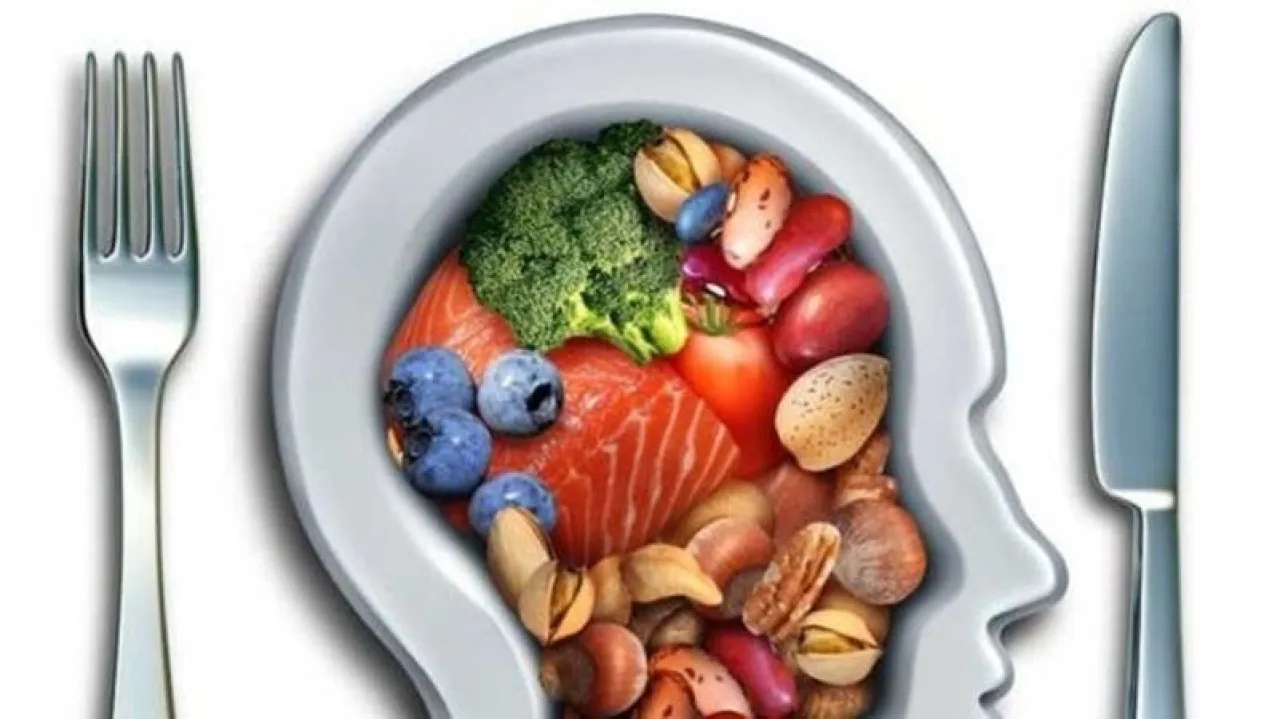
Khaberni - The diet plays a pivotal role in the overall health of the body, yet its effect on the brain remains one of the most sensitive and important aspects. The brain, as the organ consuming the most energy in the body, needs specific nutrients to maintain memory, focus, learning ability, and to prevent cognitive decline with age.
Increasing studies suggest that certain foods may contribute to reducing the risk of brain diseases, including Alzheimer’s, by supporting the structure of nerve cells and protecting them from damage, according to "webmd".
How does food affect brain health?
The brain depends on a continuous supply of nutrients to perform its functions efficiently. Some vitamins, healthy fats, and antioxidants help:
Build nerve cells
Improve communication between brain cells
Protect the brain from inflammation and oxidative stress
Support memory and mental capabilities
Essential nutrients for brain health
Vitamin B (B):
Such as folic acid and vitamin B12, which are essential for the production of brain chemicals and converting food into energy. Their deficiency may lead to nerve damage, memory loss, depression, and learning difficulties.
Vitamin E:
Helps protect brain cells from damage. Its deficiency may lead to muscle weakness, loss of balance, and neurological disorders.
Omega-3 fatty acids:
Play a major role in building the membranes of nerve cells and supporting the nervous system. They are particularly essential for children in developmental stages, and their deficiency could contribute to long-term memory and learning problems.
Antioxidants:
Protect the brain from damage caused by free radicals and may help improve memory and reduce age-associated inflammation.
Choline:
An essential nutrient for producing neurotransmitters and protecting the nerves. Deficiency may lead to poor memory and cognitive functions.
Best foods to boost brain health
Fatty fish (especially wild salmon)
Fatty fish are among the best natural sources of omega-3, which are linked to a reduced risk of heart and brain diseases. These include:
Salmon
Mackerel
Trout
Herring
Sardines
Research indicates that obtaining omega-3 from natural food is more beneficial for the brain compared to dietary supplements.
Flaxseeds, chia seeds, and nuts
They are high in omega-3 and vitamin E. Walnuts, almonds, and pistachios are excellent choices for supporting brain health.
Avocado
A fruit rich in healthy fats, vitamin E, vitamin C, and folic acid, which helps improve blood flow to the brain and support cognitive functions.
Blueberries
Rich in flavonoids and antioxidants which are associated with improved memory and reduced neural inflammation, and may play a role in slowing cognitive decline.
Whole grains
Provide a steady energy source for the brain, in addition to fiber and vitamins. These include:
Oats
Brown rice
Bulgur
Quinoa
Whole wheat
Wild rice
While no single food can decisively prevent Alzheimer’s, a balanced diet rich in healthy fats, vitamins, and antioxidants may contribute to maintaining brain health and reducing the risk of cognitive decline with age.