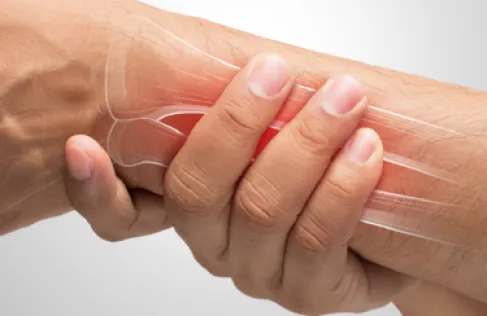
Complaints about joints increase with the drop in temperature in winter, particularly noticed among the elderly, arthritis patients, and those who have previously suffered from knee or back injuries. These individuals face difficulties in performing daily tasks such as getting out of bed and bending. The cold leads to muscle stiffness and tendon contraction, making movement more difficult during the early hours of the day.
Reasons for Increased Stiffness
The decrease in temperature causes the muscles and tendons around the joints to contract and stiffen, reducing their flexibility and making movement more difficult, thereby increasing the feeling of stiffness and pain during movement. Additionally, blood flow to the extremities slows due to the narrowing of blood vessels in an effort to conserve body heat, which reduces the delivery of oxygen and nutrients needed for joint health and increases pain. Winter is typically associated with decreased atmospheric pressure, and this change may cause slight expansion in the joint tissues, exacerbating pain for those with joint inflammation or chronic sensitivity. These factors are linked to reduced joint tolerance and increased pain, especially when rising or moving initially in the day.
The Importance of Movement in Winter
Reduced movement in winter aggravates the problem. Many prefer to stay indoors and decrease activity, which exacerbates stiffness and rigidity. Regular movement helps maintain joint flexibility, distributes synovial fluid, and strengthens supportive muscles, thus reducing pain. Therefore, lack of movement leads to muscle weakness, increased stiffness, and difficulty in performing daily activities.
Start Your Day with Light Warm-up Movements
Begin your day with light warm-up movements before getting out of bed, such as rotating the arms in circular motions and loosening the thigh and hip muscles, and walking in place. These simple exercises help activate circulation and relieve morning stiffness within minutes. They also prepare the joints and muscles for daily activity and reduce the feeling of stiffness upon waking.
Continue to Move Daily
You don’t need intense exercises, consistency is key. Opt for simple activities like walking for 20 to 30 minutes daily, or swimming, light cycling, or practicing yoga. Even such simple daily activity contributes to maintaining joint flexibility, reducing pain, and improving movement the next day.
Use Heat to Relieve Pain
Using heat helps alleviate spasms and relax muscles, and can be beneficial through a warm bath or hot compresses, preferably used for short periods especially in the morning or before exercise. Heat is often preferred as an adjunct treatment and reduces the need for painkillers during winter. Avoid exposure to intense heat or applying it for long periods to prevent burns.
Anti-Inflammatory Nutrition
Nutrition indicates that leafy greens, berries, olive oil, nuts, seeds, and fatty fish like salmon contribute to reducing inflammation and supporting joint health. Ginger and turmeric also provide anti-inflammatory effects and pain relief for some people. These foods are advised to be a part of the daily routine and not a substitute for treatment in cases of persistent pain.
Drinking Water
It is essential to drink 6 to 8 glasses of water daily even in winter, as the synovial fluid inside the joints depends on good hydration. Water helps maintain the viscosity of the joint fluid, facilitates movement, and reduces morning stiffness. The need for fluids remains significant with activity and weather, so ensure your daily fluid balance.
When Should You Visit a Doctor?
If joint pain persists for a long period or worsens with cold weather and begins to affect daily activities, consult a doctor. Early diagnosis helps prevent joint damage and determine an appropriate treatment plan, maintaining an active lifestyle throughout the year. Do not hesitate to seek medical advice if the pain does not improve within a few weeks or if there is swelling or fever accompanying the pain.