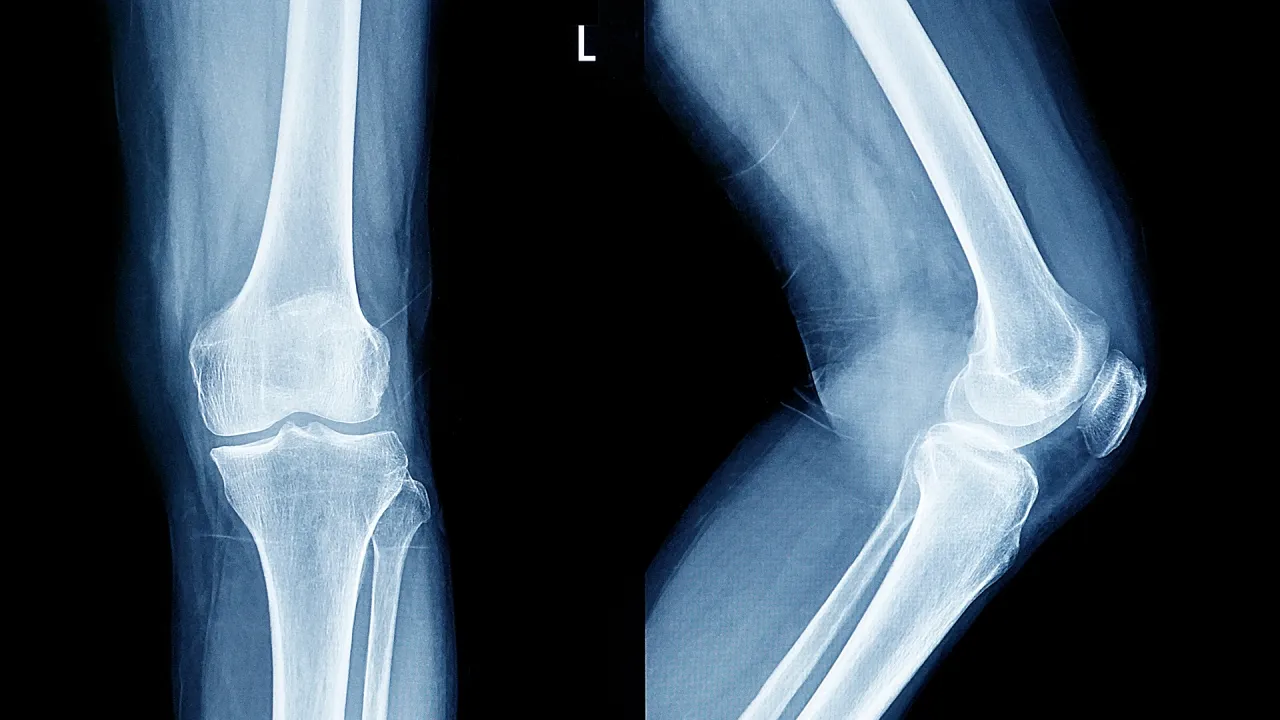
Khaberni - Hasmik Jasmine Samvelian, the first lecturer in Biomedical Science at Anglia Ruskin University in the UK, stated that bones begin to lose their hardness gradually in most people after the age of 25-30.
The scientist mentioned in a conversation with The Conversation website that smokers and women are among the fastest categories in losing bone hardness.
According to her, bone disintegration and renewal processes remain balanced in young people. Bone mass usually peaks between the ages of 25 and 30, and thereafter, bone destruction becomes more common gradually, leading to a decrease in bone density over time.
Ageing is considered a major risk factor, but there are a number of additional factors that may accelerate this process. Hormonal changes, in particular, play a significant role. A decrease in estrogen levels after menopause leads to an increase in bone loss, causing fractures in nearly half of the women over fifty.
The expert said: "Lifestyle is just as important. Smoking, alcohol addiction, and lack of physical activity contribute to weaker bones. Diet also plays an important role: a deficiency in calcium and vitamin D reduces the body’s ability to maintain bone strength."
There are additional risks associated with certain medical conditions and medications. In particular, long-term use of steroids and diseases that affect nutrient absorption can accelerate bone loss.
Anglia Ruskin University (ARU) is a leading public university in the United Kingdom (established in 1858), renowned for its outstanding programs in arts, health, and social sciences. It has branches in Cambridge, Chelmsford, Peterborough, and London. Anglia Ruskin University was named University of the Year 2023 by the Times Higher Education and has received a gold rating for teaching quality.
The expert added: "First and foremost, it's important to ensure an adequate supply of calcium for the bones—its main sources are dairy products, green leafy vegetables, and fortified foods. And of course, vitamin D, which improves calcium absorption, is just as important."