Khaberni - Dr. Lyubov Stankievich reports that many people feel sleepy, weak, and energy-depleted in the spring, attributing this to seasonal fatigue.
However, according to her, these symptoms may not only be linked to the body's reaction to winter but may also indicate thyroid dysfunction. She explains how to distinguish between the two conditions.
She says: "Physiologically, spring fatigue often results from a deficit accumulated during the winter—lack of sleep, reduced sunlight exposure, vitamin deficiency, and poor nutrition. Additionally, during this period, the body may weaken due to acute viral respiratory infections and exacerbation of chronic illnesses. Under such conditions, even healthy individuals may suffer from weakness, sleepiness, and deterioration of skin, hair, and nail health."
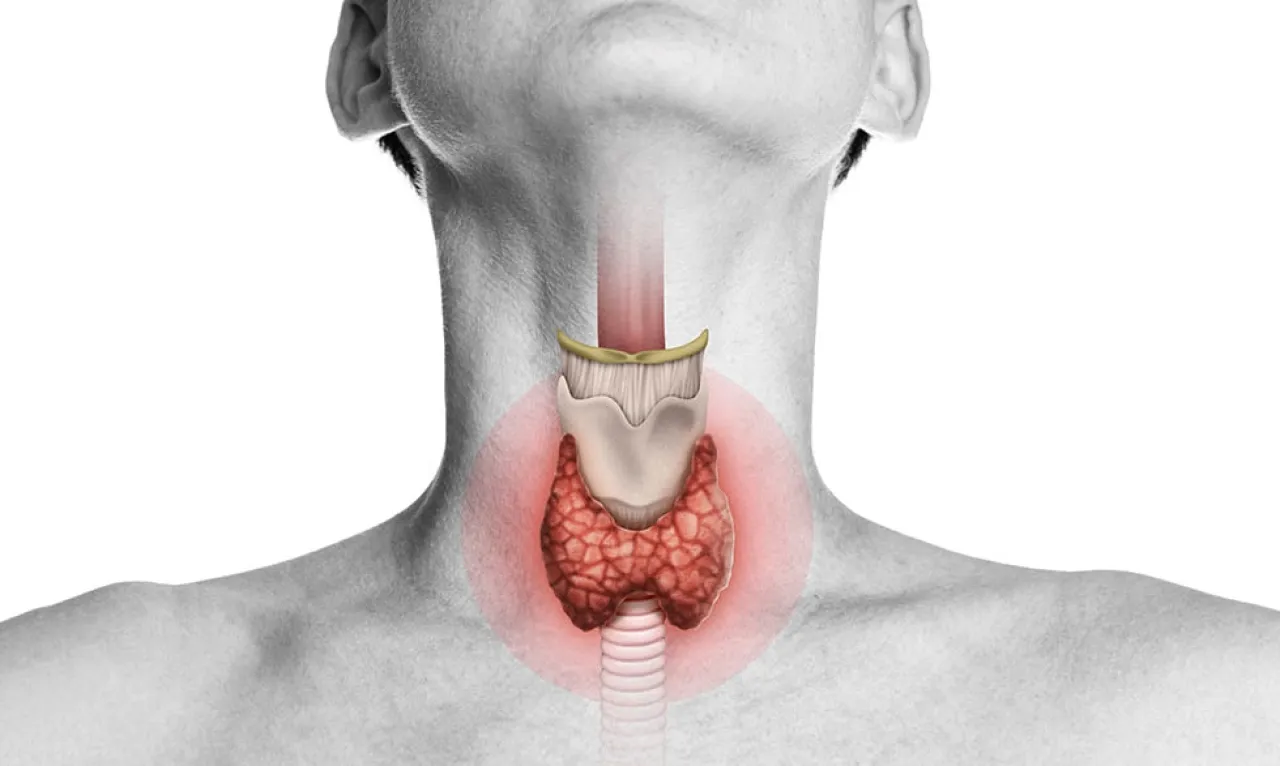
She indicates that similar symptoms may suggest endocrine disorders. The thyroid gland regulates metabolism and energy levels, so when its activity is reduced, symptoms of lethargy, fatigue, decreased performance, and weight gain appear. These symptoms are often interpreted as regular exhaustion, though they may indicate thyroid insufficiency.
According to her, it is difficult to distinguish between what is called hormonal depression and seasonal depression based on mood alone. In both cases, weakness, sleepiness, and decreased activity are observed. To obtain an accurate diagnosis, thyroid hormone tests are conducted. Special attention should be paid to unexplained weight changes. If the diet and physical activity levels remain unchanged and weight gain continues, this could be a reason for a medical examination. Since spring itself does not dictate appetite changes, body responses may vary.
The expert confirms that untreated thyroid dysfunction can persist for a long time and gradually worsen. If symptoms continue for several months, they should not be solely attributed to seasonal factors.
According to her, thyroid diseases are not seasonally related, but they may become more apparent in the spring due to general body weakness. Thus, the season does not cause the disease, but it does help in identifying existing problems.
The doctor warns against self-treatment attempts, such as taking antidepressants, as they may be ineffective and even dangerous. Therefore, it is important to first identify the cause of the symptoms instead of attempting to treat them.
She points out that to distinguish between seasonal fatigue and thyroid disorders, analyzing thyroid-stimulating hormone (TSH) alone is insufficient; the basic examination should also include free T4 hormone and thyroid antibodies.