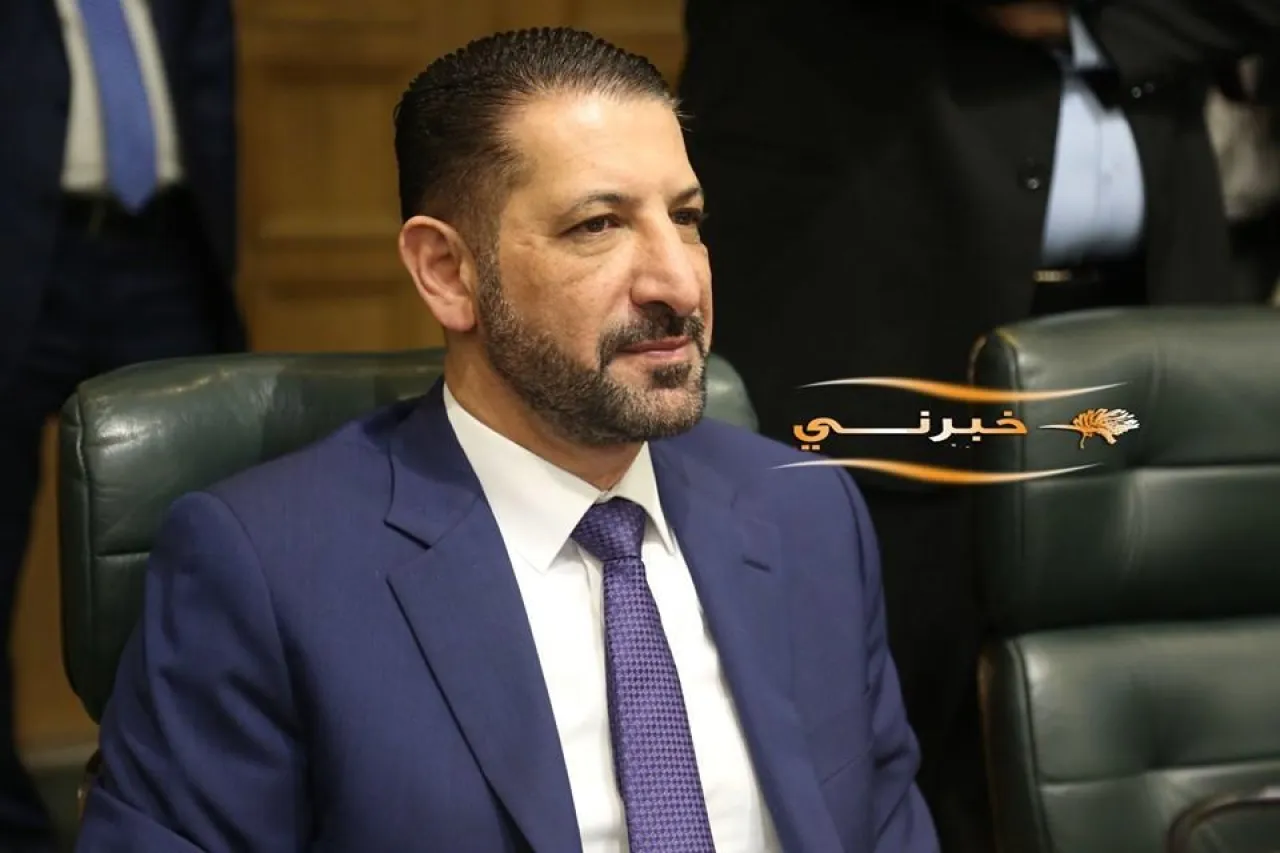
Former Minister of Awqaf, Muhammad Nooh Al-Qudah affirmed that love is the real foundation in a Muslim’s relationship with the Prophet Muhammad, peace be upon him, emphasizing that falling into sins or neglect of worship does not mean the absence of this love, in a message that reorients religious concepts for many.
Al-Qudah explained in statements today that the Prophet described those who came after him as his "brothers", reflecting the depth of the spiritual relationship that should bind Muslims to him.
He pointed out that this connection requires constant enhancement to bridge the gap with the prophetic approach, affirming that the Prophet’s intercession on the Day of Judgment will not be limited to the righteous only but will include even those who committed major sins from his nation, known for his mercy and affection.
The Colors of the Jordanian Flag Between Tradition and History
In a gesture coinciding with the celebrations of Jordanian Flag Day, Al-Qudah revealed the significance of the colors of the Jordanian flag, stating that they are derived from colors worn by the Prophet, peace be upon him, as well as their significance linked to Islamic nations like the Umayyad, Abbasid, and Fatimid States.
He explained that the companions described the Prophet wearing turbans in various colors such as white, green, red, and black, which are the same colors that make up the Jordanian flag today, reflecting a symbolic link between national identity and religious roots.
He noted that these colors represent historical Islamic nations; white for the Umayyads, black for the Abbasids, and green for the Fatimids, making the flag a testament to important phases in Islamic history.
Lack of Mercy Behind the Exacerbation of Family Problems
In the social context, Al-Qudah warned of the declining value of mercy in societies, considering that the world today suffers from a "poverty of mercy", which directly impacts family stability.
He affirmed that one of the reasons for family conflicts is the absence of the mention of the Prophet in homes, leading to decreased affection and tranquility among family members, urging the revival of these values in daily life.
He emphasized that sending prayers upon the Prophet is not merely a ritual worship, but a practical means to instill mercy in hearts and homes, explaining that true humanity is measured by mercy, not by appearances or wealth.
Al-Qudah cited the story of a companion who drank alcohol where the Prophet forbade cursing him because he "loved Allah and His messenger"; a demonstration that genuine love can be a gateway to repentance and change.
He explained that this understanding reinforces the idea that the relationship with Allah is not based solely on fear, but also on love that drives a person to reform.
In concluding his speech, Al-Qudah pointed out that the Prophet will recognize his nation on the Day of Judgment by the marks of ablution, urging Muslims to adhere to sending prayers on the Prophet and declaring the testimony of faith, as they are among the most important signs of belonging to this nation.
He confirmed that these values represent a spiritual safety valve that ensures proximity to the Prophet’s pool and the attainment of mercy, at a time when there is an urgent need to revive the meanings of faith in people’s lives.