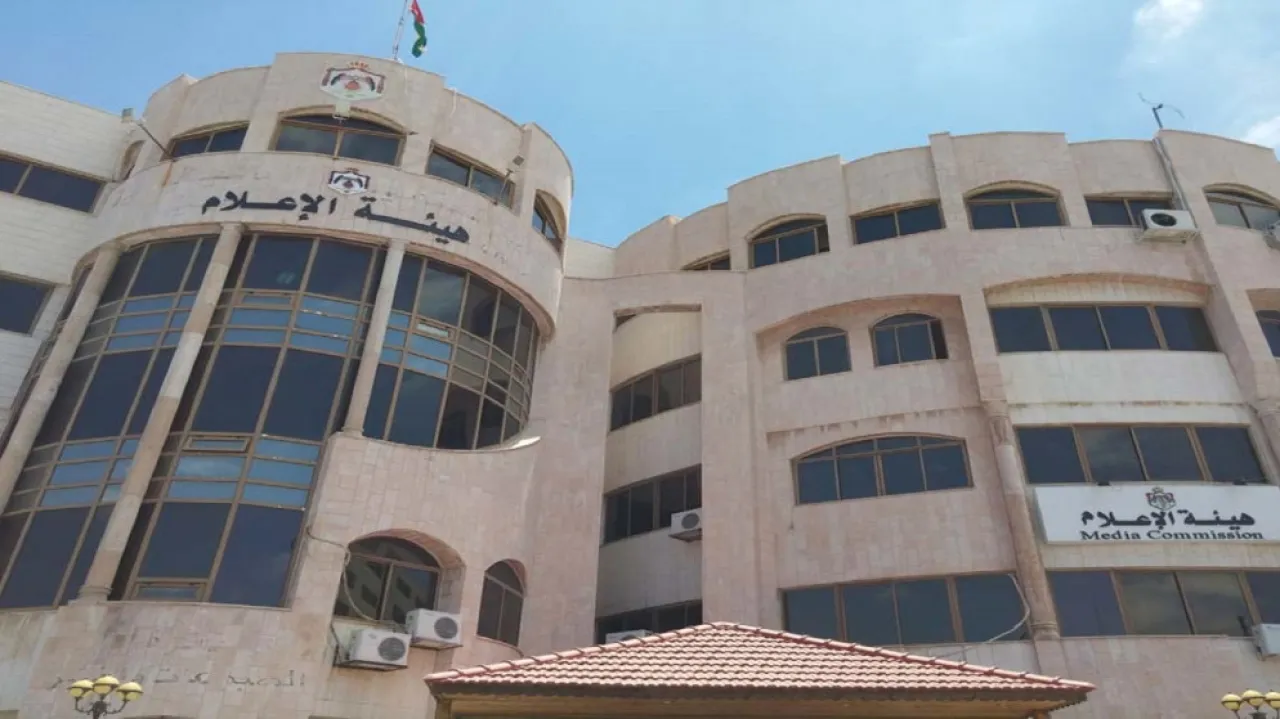
Khaberni - The acting director of the Digital Media Directorate at the Media Authority, Arzoo Shams El Din, stated on Tuesday that the currently effective legislations have not kept pace with the significant development and spread in the digital space, which required the creation of a legal framework to regulate digital media based on clear principles.
Shams El Din confirmed in statements to "Al Mamlaka" channel that the new 2026 Digital Media Regulation Project does not aim to restrict freedom of opinion, but will instead establish clear boundaries between freedom of opinion and preventing abuse and violation of others' rights.
She added that the classification of “the professional influencer” is intended for regulation, not for imposing fees, explaining that a professional influencer is someone who takes content publishing as a profession, whereas amateurs are not subject to the system unless they want to accredit their content.
Shams El Din pointed out that the system's development followed a series of consultations with regulatory bodies, content creators, and specialists, aiming to draft clauses that consider the interests of various parties involved in the digital field.
She noted that the system includes licensing mechanisms, and executive instructions will be issued sequentially after its publication in the Official Gazette, emphasizing that these instructions may be subject to modification later based on feedback.
The Council of Ministers, presided over by Prime Minister Jafar Hassan, approved the Digital Media Regulation Project for the year 2026, in its session held in April 2026.
The 2026 Digital Media Regulation Project aims to establish a comprehensive legislative framework to regulate digital media based on clear grounds, enhance the Kingdom's position in the digital media scene regionally and internationally, and support the development of and investment in the digital media sector.
The new system, and other amendments to existing systems, will contribute to developing the media environment by keeping pace with technological and digital developments, and regulate them in the context of the rapidly evolving digital environment and the need to utilize it in serving the media.
According to the system, digital tools belonging to media institutions that are licensed by the Media Authority before the enforcement of its provisions are not required to be licensed, while these institutions may optionally accredit their digital communication tools at the Authority, provided that their general content is consistent with what is published through the print or television station or radio.
The system will contribute to enhancing the protection of digital media production in various aspects, such as enhancing protection of intellectual property, improving the quality of digital content, and providing a legislative umbrella for the ethics of using artificial intelligence technologies.
The system distinguishes between mandatory licensing and optional accreditation at the Media Authority, specifying activities that require obtaining a license from the Authority, exempting individuals who publish personal content on social media platforms, and requiring digital content creators to obtain a license if they engage in activities subject to licensing such as in the advertising and production sectors, along with granting content creators not obliged to be licensed the right to accredit their digital communication tools in the Media Authority's registers for a service fee.
The Digital Media Regulation System will be effective thirty days after its publication in the Official Gazette, and provides a ninety-day grace period for those obliged to license to rectify their status in accordance with its provisions after its enforcement.