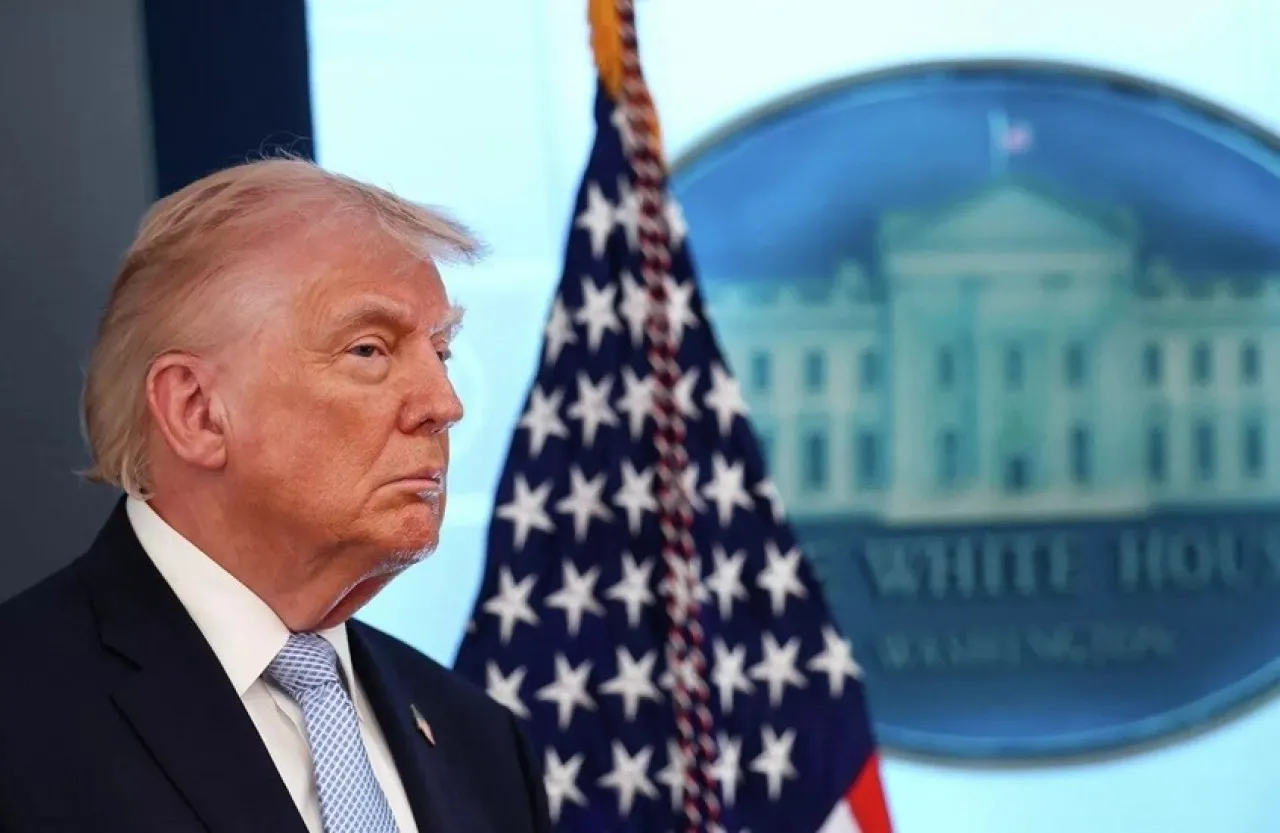
Khaberni - US President Donald Trump confirmed some experts' conclusion that the negotiations with Iran have not ended, stating that the “Iranians have not left the negotiation table” and adding that he “will get everything he wants” from Iran.
Russian expert in American affairs, Boris Mezuyev, believes that “the process has begun. I do not think it will stop. Everyone says: ‘The war will return, the war will return’. Of course, I cannot predict with absolute certainty, but it seems to me that military operations will cease, at least until the midterm elections in the United States. It is not very profitable for the United States to resume military operations now. There are no prospects,” he stated.
The expert expressed his belief that “it is not profitable for Trump to take any further steps towards escalation. On the contrary, if I understand his strategy correctly, it is beneficial for him now to distance himself from Israel,” he mentioned.
Regarding the Iranian side, the expert believes that 'the situation in Iran will not be resolved for a long time. On the other hand, nuclear weapons may not be produced for a long time. But currently, there is no alliance ready for a major military invasion. Such an alliance does not exist. A lukewarm agreement now is better than no agreement at all,” he opined.
Mezuyev concluded saying: 'At the same time, the demands of the parties do not permit us to speak of any kind of settlement... and it won't be. I believe it will be lengthy, arduous negotiations like the Korean version. Long negotiations, which might not lead to anything at all.'
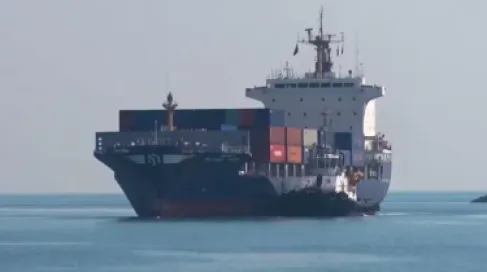
Raphael Cohen, a strategic analyst at Rand Corporation, sees three main options for Trump after the failure of negotiations to open the Strait of Hormuz, the first being to leave and declare victory, leaving control of the strait to Iran, the second to continue the air campaign and attempt to bring Iranian leaders back to the negotiating table, and the third consists of escalation that could lead to regime change in Tehran, although the expert describes this option as fraught with the risk of escalating costs and unexpected consequences.
Conversely, Christine Fair, an American academic specializing in political and military affairs, believes the failure of the US-Iranian negotiations will lead to a return to open conflict, while Israel, described by the expert as a major beneficiary of the conflict, will continue its campaign, especially in Lebanon, making reaching a comprehensive agreement impossible.
The American academic from Georgetown University points to a nightmarish scenario for Pakistan, indicating the possibility of dragging Pakistan into a war on its western borders due to its defense agreement with Saudi Arabia, and that the continued chaos in Iran will lead, according to the expert, to a critical exacerbation of the already tense security situation and insurgencies on the Pakistani borders.
The Pakistani newspaper "Frontier Post" paid significant attention to this possibility, urging Islamabad to remain neutral in the war between the United States, Israel, and Iran, and to avoid making reckless decisions to please the American leadership.
The Pakistani newspaper wrote in this context stating: “Pakistan has already played a constructive role in encouraging peace efforts, and here is where its role should end... Recent developments, such as reports of Pakistani aircraft deployed in Saudi Arabia, raise additional concerns. Although defense cooperation with Saudi Arabia is not a new thing, the timing is sensitive. Pakistan must ensure that these deployments remain purely defensive and limited to Saudi territory, without any direct or indirect involvement in the broader conflict.”