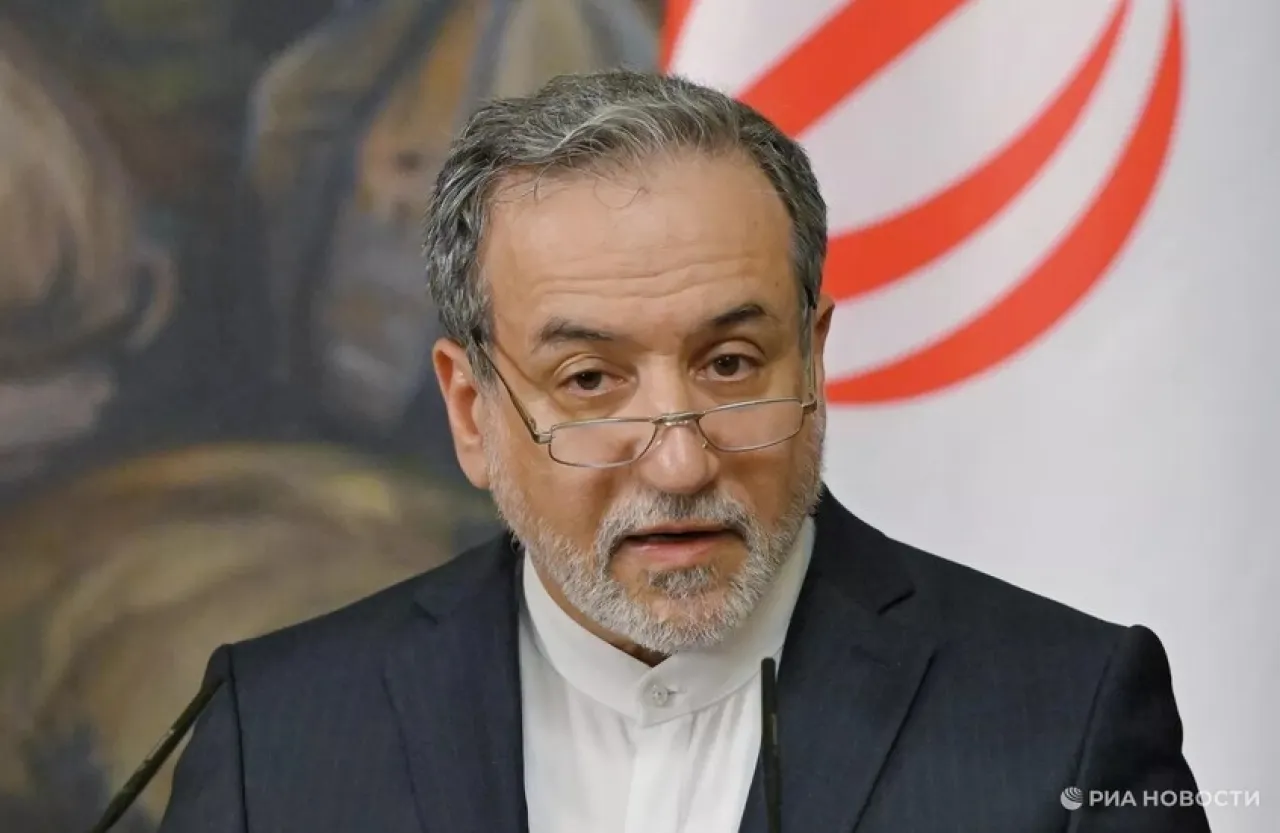
Khaberni - Iranian Foreign Minister Abbas Araqchi held the United States responsible for the failure of the Islamabad negotiations, confirming that Washington's excessive demands and threats of blockade prevented the signing of a "Memorandum of Understanding" that was imminent.
Araqchi wrote on his "X" platform account: "In the most intensive talks in 47 years, Iran engaged with the United States in good faith to end the war, but just as we were on the verge of signing the Islamabad Memorandum of Understanding, we faced excessive demands, constantly shifting goals, and threats of blockade."
He added: "It seems that no lessons have been learned."
He concluded by saying: "Good intentions generate good intentions, and hostility breeds hostility."
Araqchi's statements come hours after the direct talks between the Iranian and American delegations in Islamabad collapsed, which went on for 21 hours without reaching an agreement on the Iranian nuclear program and the future of the ceasefire.
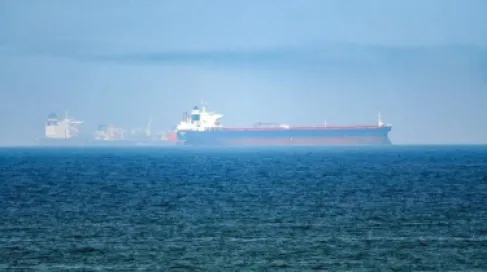
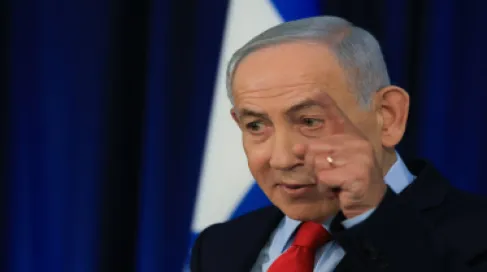
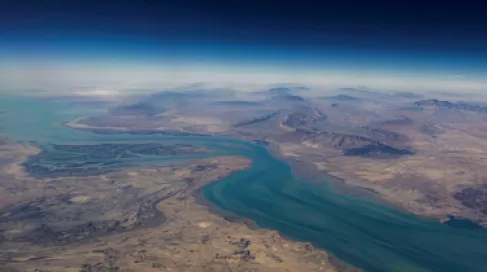
Following the failure of the negotiations, US President Donald Trump announced that the US Navy would immediately begin a blockade operation in the Strait of Hormuz, warning that any Iranian who fires at US forces or civilian ships "will be blasted to hell."
Later, the US Central Command announced that its forces would begin on Monday a maritime blockade on navigation from and to Iranian ports, at 10 AM Eastern Standard Time, based on Trump’s declaration.
In response, Iran threatened to retaliate, confirming that control over navigation in the Strait of Hormuz lies with its armed forces, denying the American narrative regarding mine removal, as concerns of a wider naval confrontation in the region escalate.
Mohsen Rezaei, a member of Iran’s Expediency Discernment Council, stated that the United States would fail to impose a naval blockade on his country, affirming that the Iranian armed forces would not allow this.
He emphasized that Iran possesses "significant pressure tools not yet used" to confront such moves, adding that "Iran is not a country that can be blockaded through tweets or fictitious schemes."