Khaberni - The monitoring of nano and micro plastic particles in the human body is increasing, yet their detection still remains challenging, often relying on surgical techniques and specialized devices.
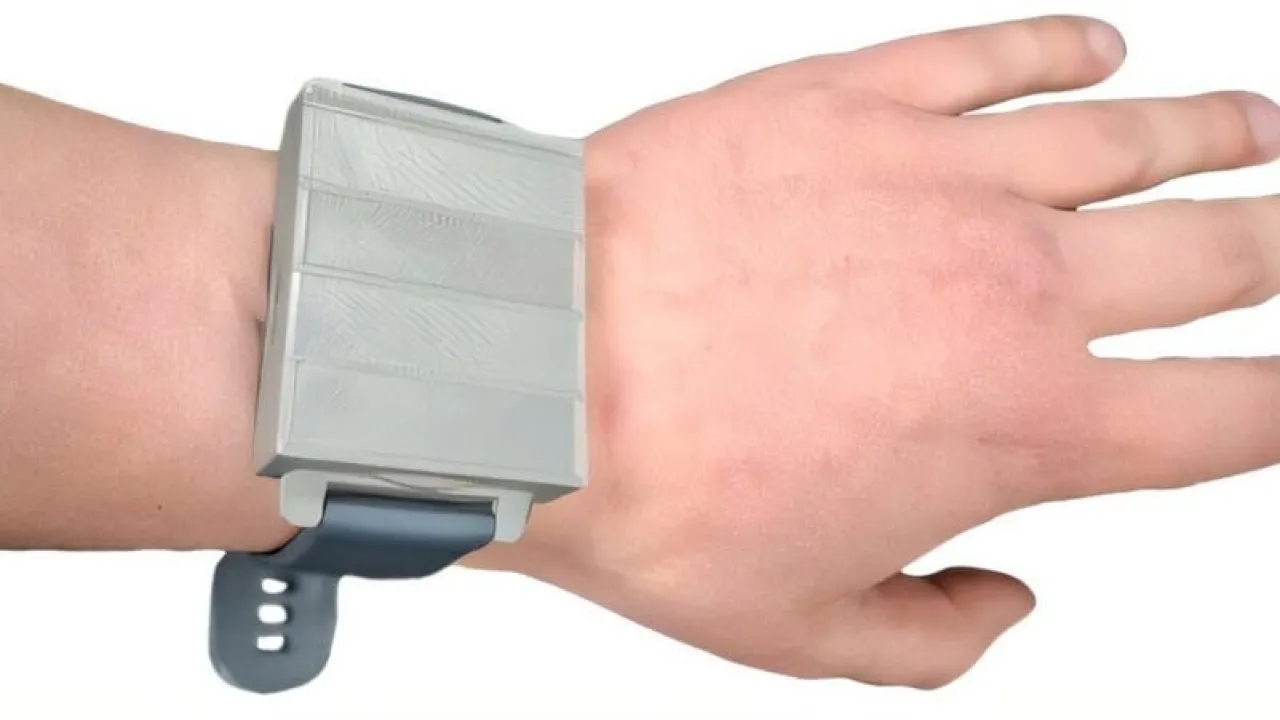
Researchers at the Institute of Computer Science at the University of Tartu in Estonia are developing a device to measure the amount of plastic in the human body, according to a report by "Tech Xplore", a technology news website, reviewed by "Al Arabiya Business".
Micro and nano plastic particles are everywhere, in the air we breathe, the water we drink, the food we eat, and even in the clothes we wear.
Recent studies have found these particles throughout the human body, even in the bloodstream and in most internal organs. However, their effects on human health have not yet been fully understood.
The long-term impact of exposure to these plastic particles is still largely unknown. However, studies conducted on animals and cells have shown that micro plastic particles can accumulate in living organisms, spread to various tissues, and contribute to inflammation, oxidative stress, metabolic disorders, particularly in the digestive and respiratory systems.
“This is why we want to measure micro plastic particles in the human body, to better understand the amount of plastic in our bodies, and to be able in the future to direct interventions or policies to reduce our exposure to plastic,” according to Kevin Post, an assistant researcher in pervasive computing at the University of Tartu.
Current methods for measuring these particles involve taking blood samples, which are difficult and costly, and nobody wants to do them regularly.
Post said: "We are looking for a way to 'see inside' without drawing blood. This is exactly what drove us to use light sensors."
The device uses spectroscopic analysis, a method that analyzes how light interacts with materials. Light-based sensing has already been used to detect plastic particles in various environments, such as soil and water.
According to Post, this technique succeeds "because different types of plastics reflect and absorb light in unique ways. It is akin to visual patterns that sensors can recognize. And we are transferring the same idea inside the human body using wearable devices like smartwatches, smart rings, and smart bracelets."
He added: "Our approach relies on a miniaturized spectrometer, which is essentially a small device that shines different colors of light and measures how each color bounces back. It can detect both the visible light that we normally see around us and wavelengths like near-infrared and ultraviolet, which are invisible to the naked eye."
Using this technology, researchers have successfully detected plastic particles implanted just beneath the surface of artificial skin they manufactured themselves.
Post said: "We still have a long way to go to turn our vision into reality, but these results already demonstrate the significant potential of wearable spectrometer devices. In the near future, wearable devices may allow non-surgical, easily accessible monitoring of micro plastic particles inside the human body."