Khaberni - In our world today, the smartphone has become an essential part of our daily lives. We depend on it for work, communication, entertainment, and even managing our personal affairs. With this heavy dependence, charging the phone remains one of the daily necessities that cannot be dispensed with. However, many users resort to using non-original chargers, either due to their lower cost or ease of availability. Have you ever thought about what happens to your phone when you use a non-original charger?
We will detail the real effects of using non-original chargers on your phone, and why this simple decision may be costly in the long run.
First: What's the difference between an original and a non-original charger?
The original charger is the one that is manufactured or approved by the phone manufacturer, and it is specifically designed to be compatible with the device components, especially the battery. Meanwhile, a non-original (or counterfeit) charger may not adhere to the same quality or safety standards, and is often manufactured with less cost and cheaper materials.
Second: The impact on the battery
One of the most significant damages from using a non-original charger is the negative effect on the battery. Modern phones rely on lithium-ion batteries, which are very sensitive to temperature and electrical current.
When using a non-original charger:
• The battery may be supplied with unstable electrical voltage.
• The battery temperature can abnormally rise.
• This leads to a significant reduction in battery life.
Over time, you will notice that your phone's battery drains faster, even if your daily usage has not changed.
Third: The risk of overheating
Non-original chargers often lack sufficient protection systems to control heat. This can lead to:
• Overheating of the phone during charging.
• Deterioration of internal components.
• In some rare cases, it may lead to complete device failure or even risk of fire.
Excessive heat is the number one enemy of electronics, and using an unreliable charger increases this risk.
Fourth: Damage to the charging port
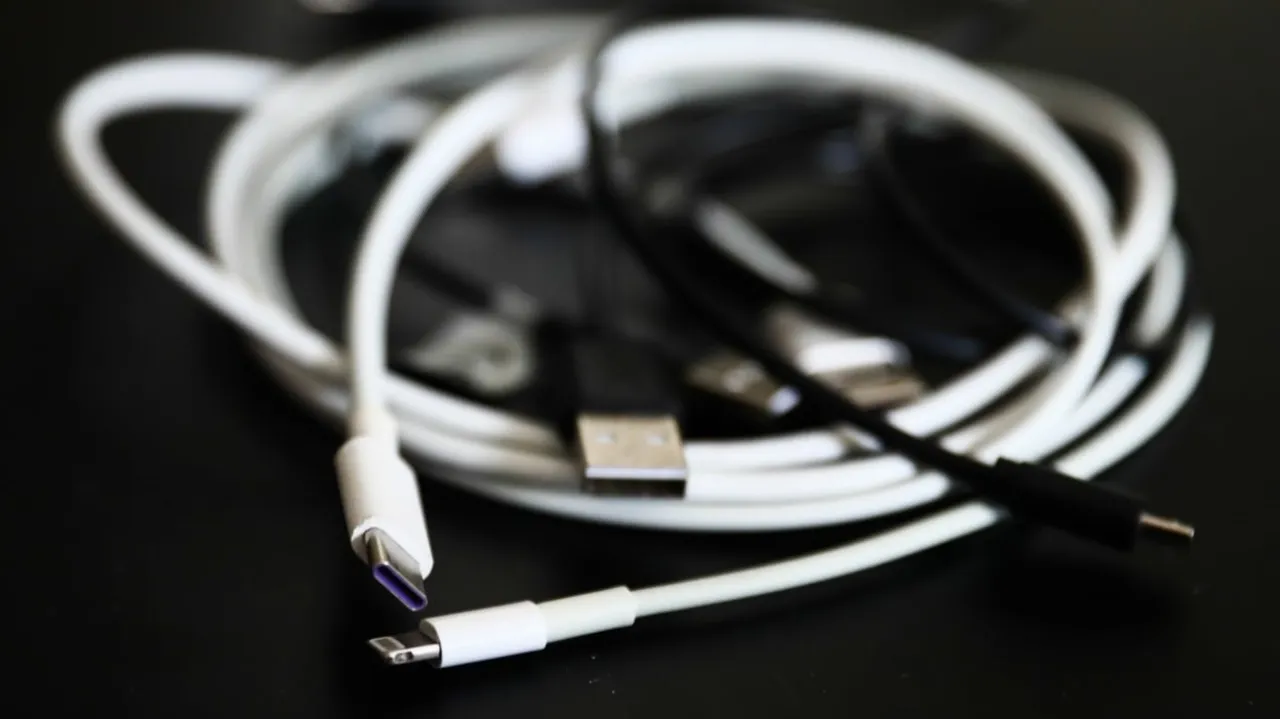
It may seem simple, but the quality of the charger tip (cable or plug) plays an important role. Non-original chargers often:
• Are made with less precision.
• Do not fit perfectly with the charging port.
This can lead to:
• Damage to the charging port over time.
• Difficulty in inserting or removing the charger.
• The need for costly maintenance to repair the port.
Fifth: Slow or unstable charging
Have you ever noticed that your phone charges very slowly or stops charging suddenly? The reason may be the non-original charger.
Original chargers are designed to provide:
• Constant current.
• Appropriate and compatible charging speed for the device.
Meanwhile, counterfeit chargers may:
• Provide less power than required.
• Cause interruptions in charging.
• Prevent the fast charging feature from functioning.
Sixth: Impact on phone performance
Many might not notice this point,