Khaberni - The war within Iran expanded from targeting locations, facilities, and prominent leaders to a direct Israeli political speech urging Iranians to take to the streets to confront the regime.
With repeated assassinations and an expanding target bank, questions have emerged as to whether the strikes have surpassed their stated military purpose to try to have a political impact inside the country.
On March 1, 2026, Israel announced the "liquidation of 40 leaders" inside Iran. At the same time, Prime Minister Benjamin Netanyahu, in a filmed speech in Persian, called for Iranians to protest against the government and take to the streets.
Since then, the assassinations have been accompanied by public Israeli statements urging protests and linking the continuation of the strikes with pressure on the regime from within.
This occurred at a time when Iran had already experienced a wave of internal protests. Since December 28, 2025, protests had started at Tehran's bazaar due to the worsening exchange rate and declining purchasing power, and then spread to other cities.
However, this wave subsided with the outbreak of war, while national unity became prominent on one side and the Iranian authorities intensified their security measures on the other, later executing sentences against convicts in recent protests, stating that hundreds have been arrested since the war began on February 28th.
In the field, the strikes did not stop at targeting locations and facilities, but also included prominent leaders and officials. As the target bank expanded and the nature of the targeted personalities changed, interpretations emerged linking the military pressure with attempts to influence the governance structure inside Iran, without Israel explicitly declaring regime change as a direct war aim.
In the first strike of the war, Israel assassinated the supreme leader Ali Khamenei, commander of the Revolutionary Guard General Mohammad Pakpour, the chief of the General Staff of the Armed Forces General Abdolrahim Mousavi, Defense Minister Brigadier General Aziz Nasirzadeh, and Secretary of the Defense Council Ali Shamkhani.
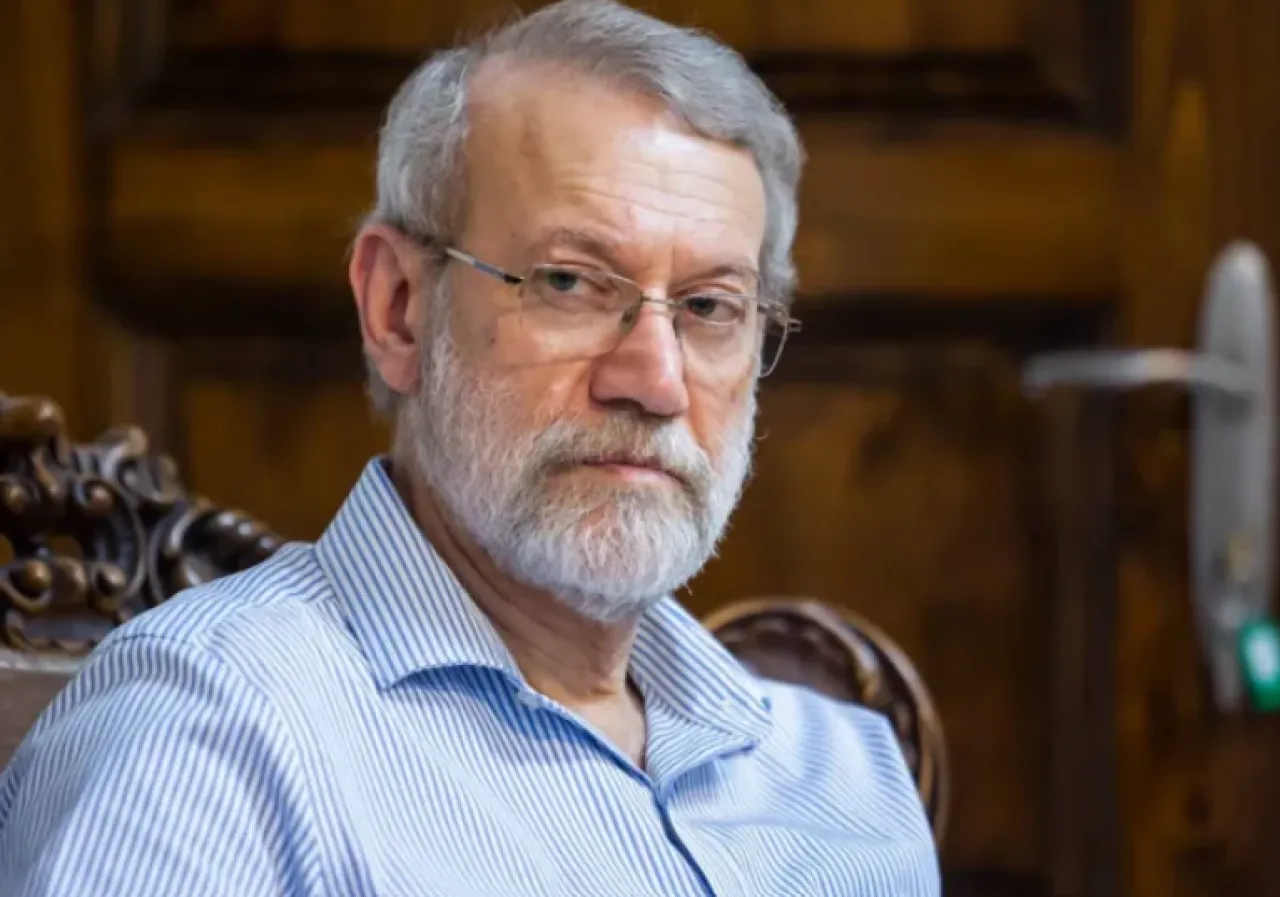
Less than 3 weeks later, Israel assassinated the Secretary-General of the Supreme National Security Council Ali Larijani and Commander of the Basij Forces (related to the Revolutionary Guard) Gholam Reza Soleimani and Minister of Intelligence Ismail Khatib.
Uncertain outcome
In this context, Netanyahu said that regime change in Iran is not a declared goal of the war, but it may be one of its outcomes. Israeli officials also acknowledged that any such change would ultimately depend on developments inside Iran itself, not solely on military strikes.
In contrast, Tehran presented these strikes and assassinations as attempts to destabilize internal stability and push the country towards chaos.
On March 19th, the Iranian Foreign Minister, in communications with his counterparts in Turkey, Egypt, and Pakistan, called for what he termed "regional vigilance" in facing "American-Israeli destabilization."
The effects of this path are more clearly visible in Iran's decision-making circles. The assassination of Ali Larijani on March 18th was seen as targeting a significant political figure who had played prominent roles in governance, security, and foreign policy.
According to Reuters, his absence increased the ambiguity within the power hierarchy, narrowed Tehran's options, and shifted the center of gravity more towards the Revolutionary Guard, in a phase where regime survival became a top priority.
But this confusion at the top of the authority did not automatically translate into widespread protest on the street. Even with intensified strikes, several assessments indicated that the Iranian regime remained cohesive, and the Revolutionary Guard maintained control.
The assassinations and bombings, in the context of war, do not necessarily lead to immediate demonstrations, but may instead lead to an opposite result where priorities of security and survival advance over any direct political action, in addition to the growth of national sentiments.
Netanyahu repeatedly appealed to the Iranian people saying that it was the right time for them to rise against the regime as it "killed those who oppressed them," referring to the assassinations carried out by Israel.
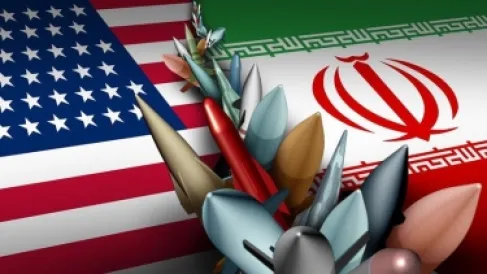
Conversely, the American stance appeared narrower in defining the goals than the Israeli approach. On March 19th, the American Secretary of War Pete Hegseth stated that Washington's goals had not changed since the war began on February 28th, which were to destroy missile-launch capabilities, weaken Iran's defense and naval industries, and prevent Iran from possessing a nuclear weapon.
Four days later, American President Donald Trump announced, on Monday, a postponement of planned strikes on the Iranian electricity grid, speaking of "good and productive" talks with Tehran, before Iran denied any such discussions.
Thus, developments so far suggest that the Israeli strikes and assassinations narrowed the margin of movement for some decision-making circles in Iran and tightened the internal security grip, but they did not lead to a decisive internal political shift, nor did they result in an internal protest wave.
Between an Israeli discourse linking military pressure, specifically the assassination of officials, with weakening the regime, and an Iranian discourse describing the events as attempts to destabilize, the impact of this policy remains open to attrition at the top of the power more than being decisive in the street.