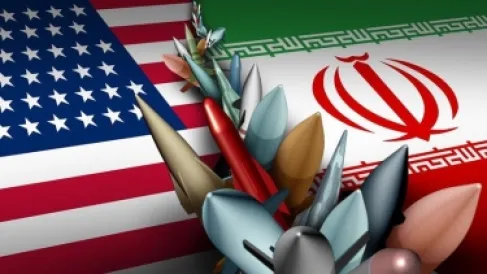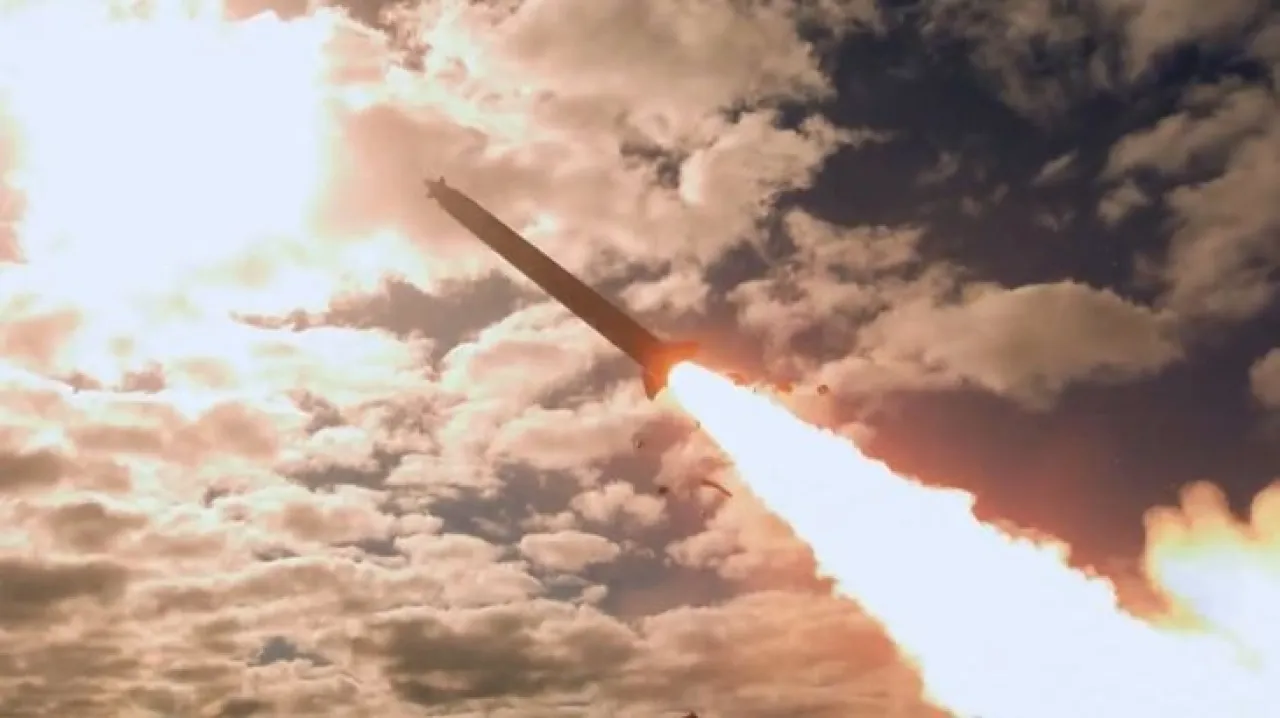
Khaberni - The Iranian-Israeli confrontation is moving towards a more complex level with the entry of fission missiles into the operational line, in a development that reflects a qualitative shift in attack tactics, and raises increasing questions about the effectiveness of Israeli air defense systems in containing this escalating threat.
On the ground, the recent Iranian bombing wave revealed an unconventional attack pattern. Israeli media reported that a missile targeting Tel Aviv split into 4 bombs, each weighing about 100 kilograms, causing debris to scatter across several locations and causing widespread destruction.
According to preliminary data, the attack resulted in injuries and damage to residential buildings amidst ongoing search and rescue operations, at a time when consecutive explosions were heard as a result of aerial interceptions reflecting an unprecedented intensity in the pace of the missile strikes since the early morning hours.
In this context, journalist Abdel Qader Araza clarified on the interactive screen that the remarkable aspect of the recent Iranian attacks is not limited to their intensity but extends to the nature of the weapons used, which were specifically designed to bypass air defense systems through complex fragmentation techniques.
He mentioned that Israel had tested the "David's Sling" system weeks before the outbreak of the war as part of preparations for similar scenarios, yet the current field reality reveals a gap between theoretical tests and practical application under the pressure of simultaneous attacks.
Wide Coordination
He added that the recent strikes, which were distributed between the north, south, and center, reflected a broad coordination that included targeting sensitive areas such as Dimona and Eilat, in addition to intense strikes in the heart of Tel Aviv where several buildings were directly hit.
He pointed out that the simultaneity of the Iranian attacks with the launch of dozens of rockets from southern Lebanon towards Haifa and the Western Galilee indicates a methodical attempt to confuse the Israeli defenses by opening multiple fronts at the same time, thereby increasing the difficulty of the interception process.
On his part, military and strategic expert Colonel Nidal Abu Zaid stated that Iran adopted a clear geographical division in its operations, focusing on the south as a strategic center of gravity that includes sensitive facilities such as the Dimona reactor and intelligence communication centers.
He explained that this focus alternates with targeting the central region, which has a high population density and includes industrial centers, military bases, and decision-making institutions, reflecting an attempt to strike Israel's vital infrastructure on multiple levels.
In explaining the mechanics of the used missiles, Abu Zaid emphasized the need to distinguish between cluster and fission missiles, clarifying that the latter carry a limited number of explosive warheads that separate within the atmospheric envelope, forming multiple targets at once.
He detailed that this type of missile primarily aims to mislead air defense systems, as the explosive warheads appear as a single fireball before dispersing, complicating the interceptor missiles' ability to identify the true target and deal with it effectively.
Comprehensiveness and Integration
On the performance of the Israeli defenses, he explained that the system relies on the integration of 3 main layers including the "Iron Dome," "David's Sling," and "Arrow," in addition to the American "THAAD" system, based on the principle of comprehensiveness and integration in countering threats.
However, this integration, according to Abu Zaid, faces an increasing challenge as Iran relies on what is known as the "fire flooding" strategy, which is based on launching a limited number of quality missiles simultaneously with a fire intensity from other fronts to distract the defenses.
He noted that coordination with Hezbollah falls within the principle of "command and control," where the Lebanese front is used to launch medium-range rockets intensively, providing a fire cover that allows more advanced Iranian missiles to penetrate defenses and reach their targets.
In the same context, the ongoing launch of missile waves, which reached the seventh round in hours, reflects a shift in the management of the Iranian military stockpile, where the focus on quality and impact replaces numeric intensity, ensuring significant breakthroughs.
These developments coincide with a continuous Israeli escalation, as the army announced targeting thousands of sites within Iran, while Tehran confirmed the continuation of its operations under what it calls "Honest Promise 4," targeting military facilities and air bases inside Israel.