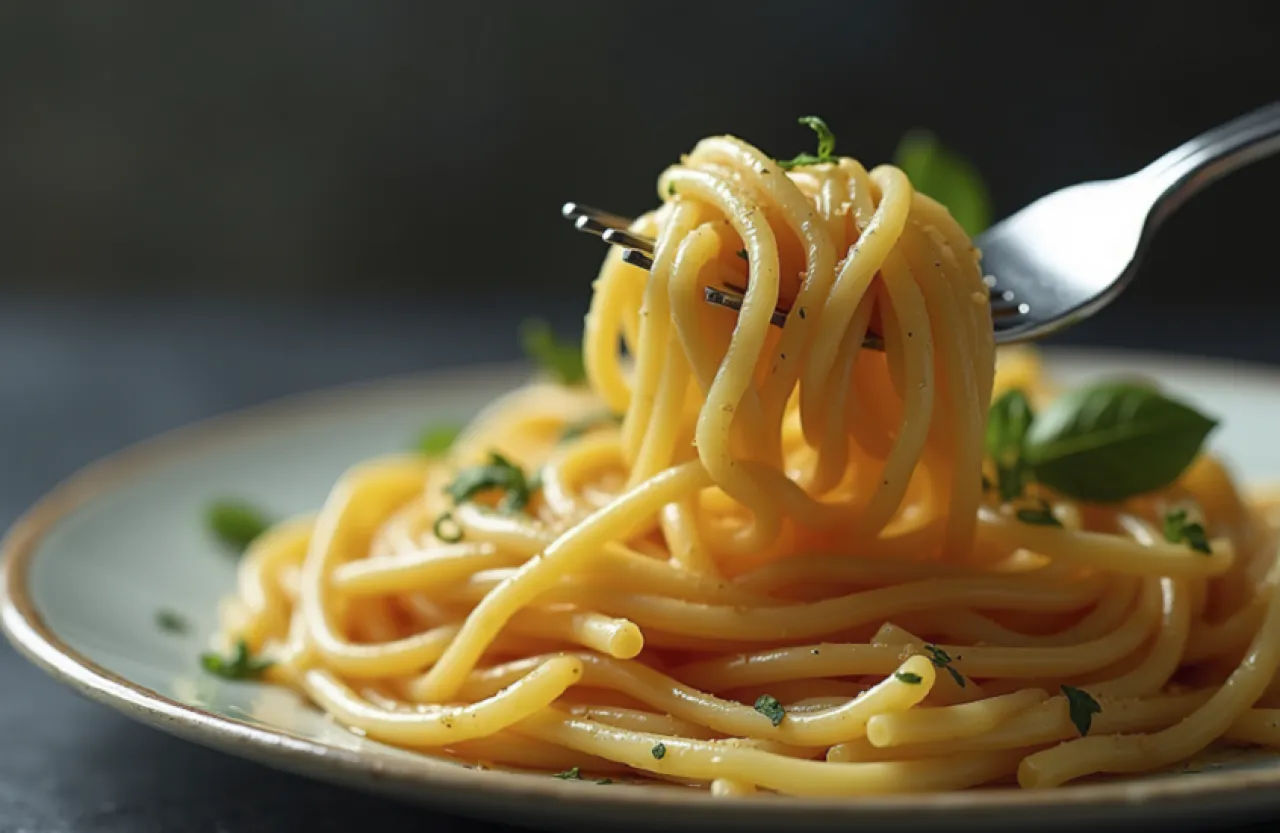
Khaberni - Pasta has long been considered an enemy for those following a diet, as it is accused of starchy carbohydrates that may lead to weight gain and feelings of bloating and fatigue after eating.
However, nutrition experts confirm that this belief is wrong and the accusation is unfair. In fact, pasta can be part of a balanced and satisfying meal when eaten with the right ingredients.
Nutritional Benefits of Pasta
Pasta is a primary source of carbohydrates, which the body converts to glucose to use as an energy source. Whole wheat pasta contains fiber, while gluten-free types made from lentils or chickpeas offer higher protein content.
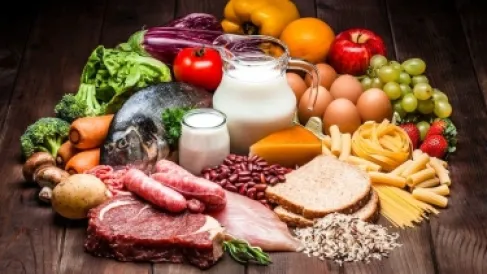
Regardless of the type of pasta, it can be consumed with vegetables, healthy fats, and protein, such as olive oil, legumes, seafood, or lean meats, to achieve a balanced and satisfying meal.
Nutritionist Nicola Ludlam-Raine said: "Pasta can be part of a weight loss diet, provided that the portions are reasonable and the meals balanced, with tomato sauce, low-fat protein, fiber-rich vegetables, and healthy fats like olive oil to enhance satiety".
Nutritional Value of Pasta
Pasta contains carbohydrates, fiber, vitamins, and minerals, making it a beneficial food. White pasta is often fortified with vitamins and minerals lost during refining, such as B vitamins and iron, while whole grain pasta provides additional fiber, magnesium, and antioxidants.
When cooked, pasta absorbs water, reducing the carbohydrate concentration per gram. Cooked white pasta contains about 25-35 grams of carbohydrates per 100 grams, whereas whole wheat pasta has significantly higher fiber content, aiding in longer-lasting satiety.
Pasta and Fiber
White pasta is made from refined wheat, from which fiber-rich layers are removed, whereas whole wheat pasta retains these elements. Fiber helps slow digestion, supports blood sugar stability, and enhances the feeling of fullness.
Calories and Fats
Dry pasta (made from wheat flour and water, then dried to remove moisture almost entirely) is low in fat, while fresh pasta containing eggs is slightly higher but still low in fat. Most of the calories come from add-ons like creamy sauces or cheese.
Ludlam-Raine says: "By choosing tomato sauces, olive oil, and vegetables, meals can be made lighter while still feeling satisfying".
A 75 gram serving of dry pasta contains about 270 calories, which is around 10% of the daily requirement for adults.
Pasta and a Healthy Diet
Serving size and balance among meal components are essential. The typical portion is about 75 grams of dry pasta for an adult, which equals 180-200 grams after cooking. Restaurant servings are often larger, increasing the calorie count.
Adding vegetables, lean proteins, and healthy fats can make the meal more balanced and satisfying. Choosing whole grain pasta increases fiber content and prolongs the sensation of fullness.
Bloating After Eating Pasta
Feeling bloated is common, and may be due to digestive issues or allergies to gluten or fermentable carbohydrates (FODMAPs). The cooking method also affects it: pasta cooked "al dente" or chilled generates resistant starch that digests slowly, supporting stable energy and benefiting the gut microbiome.
Gluten-Free Alternatives
Pasta made from chickpeas, lentils, or crushed peas, rich in protein and fiber, is available. There are also rice and quinoa pasta options, which resemble traditional pasta in texture and flavor.