Khaberni - During the month of Ramadan, the daily habits of those fasting change, notably the consumption of caffeine-containing drinks like coffee and tea.
Many people naturally reduce their intake of these beverages due to fasting and the short period between Iftar and Suhoor, but the problem may arise after the month ends, when some suddenly return to consuming large amounts of caffeine in the first days of Eid al-Fitr.
The gradual return to caffeine late in Ramadan is a step to avoid Eid headaches
Nutrition consultant Dr. Khaled Al-Adwi tells "Al Ain News," this sudden return can lead to a type of headache associated with changes in caffeine levels in the body, as the body would have become used to lower doses during Ramadan.
How does caffeine headache occur?
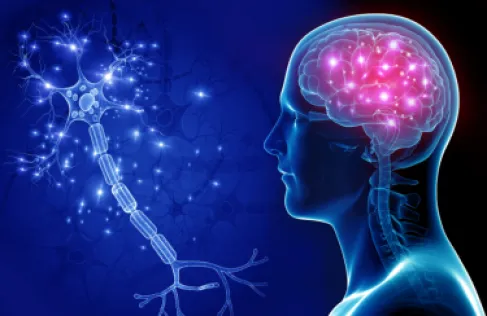
Caffeine is a stimulant that affects blood vessels in the brain and nervous system. When its quantity is reduced for a while, the body adapts to this new level. But when returning suddenly to larger amounts, there can be a temporary disturbance in the vascular response, which may lead to headaches or feelings of tension.
Dr. Al-Adwi advises that the last ten days of Ramadan, which involve staying up for worship, be an opportunity for a gradual return to the pre-fasting routine to avoid the sudden return that causes headaches.
Other factors causing Eid headaches
In addition to this, Dr. Al-Adwi emphasizes that the sudden return to the pre-fasting rate of consuming coffee is not the only reason for Eid headaches. There are several other factors, including lack of sleep due to staying up on Eid nights, dehydration from changes in drinking water habits, and overindulgence in sweets and fatty foods during visits and celebrations.
How do we avoid Eid headaches?
Dr. Al-Adwi recommends following simple steps that help the body smoothly adapt to returning to the usual routine:
First: Gradually return to coffee and tea instead of drinking several cups all at once.
Second: Drink sufficient amounts of water to replenish fluids.
Third: Regulate sleep after the end of Ramadan.
Fourth: Avoid excessive caffeine on the first morning of Eid.