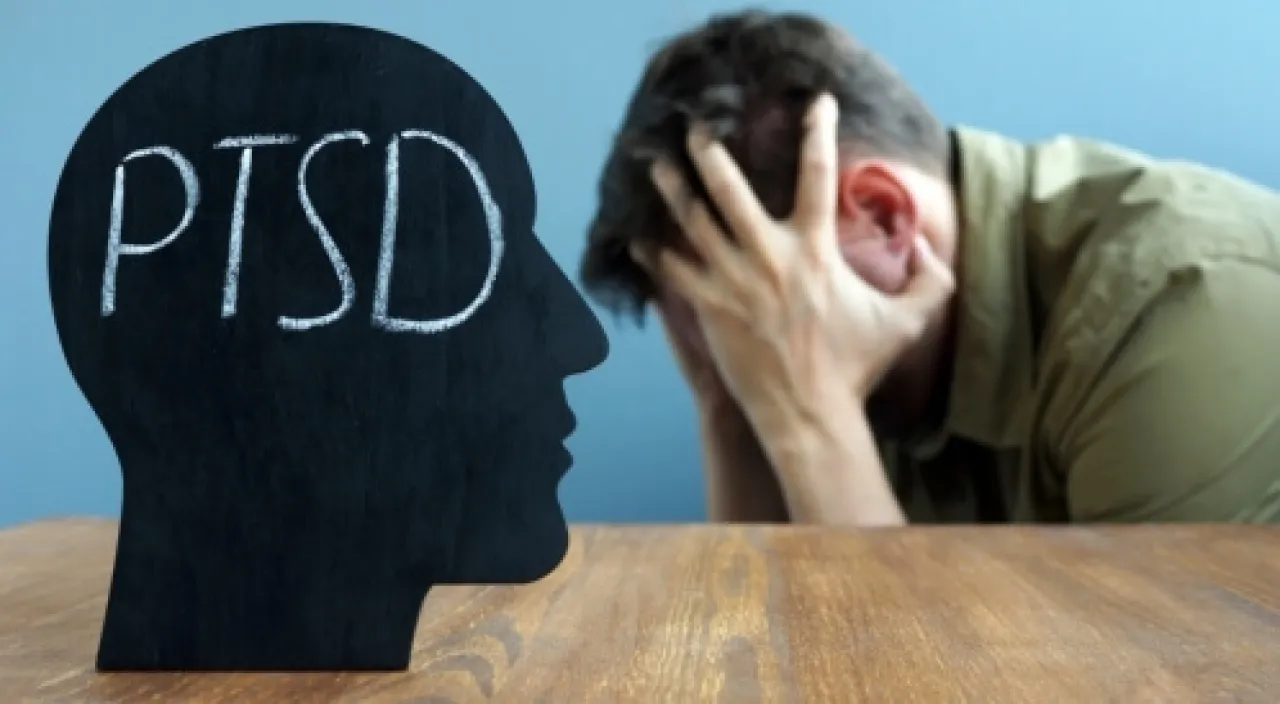
Khaberni - The effects of Post-Traumatic Stress Disorder (PTSD) are not limited to mental health, but may extend to the entire body, causing biological changes that accelerate aging and increase the risk of chronic diseases, according to a recent scientific study. According to "Medical Express".
The study was conducted by researchers from the Icahn School of Medicine at Mount Sinai in the United States and focused on firefighters and rescuers who participated in the response to the September 11, 2001 attacks on the World Trade Center, a group many of whom still suffer from PTSD nearly 25 years after the incident.
Biological aging accelerates
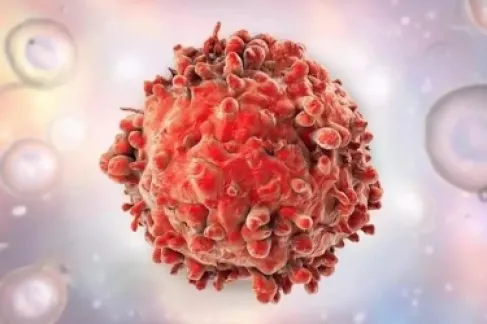
The results revealed that participants suffering from PTSD showed clear signs of accelerated biological aging compared to those not afflicted, which was also associated with higher rates of chronic diseases such as heart disease, diabetes, lung disorders, and other health problems associated with aging.
The researchers note that biological aging differs from chronological age, as it reflects how much cells and tissues in the body are affected by environmental factors, psychological stress, and lifestyle, rather than the number of years a person has lived.
How does psychological stress affect?
The research team suggests that prolonged exposure to severe psychological stress leads to changes in the immune system and increases in inflammation levels and oxidative stress, factors that can accelerate cellular deterioration and increase the body's susceptibility to chronic diseases.
The importance of early detection
The researchers emphasize that the results highlight the importance of not treating PTSD merely as a psychological issue but as a condition that can affect long-term physical health.
They believe that monitoring biological indicators of aging in individuals exposed to psychological trauma can help in the early detection of chronic diseases and provide an opportunity for preventive intervention before serious complications arise.
A message that goes beyond disaster survivors
Although the study was conducted on responders to the September 11 attacks, the researchers affirm that its results could apply to other groups exposed to severe psychological traumas, such as soldiers and veterans, victims of natural disasters or wars, and even some survivors of violent incidents.
The team hopes that these findings will help in developing therapeutic strategies that not only focus on alleviating psychological symptoms but also on reducing the long-term biological effects that may accelerate aging and increase the risk of chronic diseases.