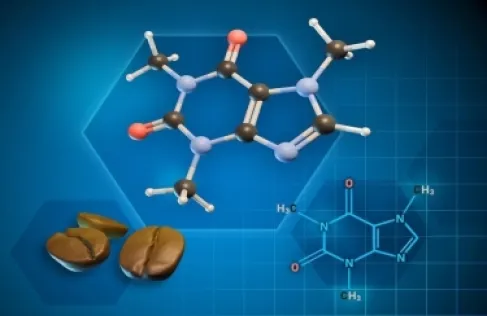
Khaberni - A recent scientific study has shown that caffeine can be either beneficial or harmful to bone health, depending on the dosage that enters the body.
Researchers analyzed the results of 53 experimental studies focusing on the effects of caffeine on bone tissues, including animal experiments and cellular studies that focused on the processes of bone formation and degradation. The results showed that the effect of caffeine is not absolutely beneficial or harmful but greatly depends on the consumed dosage.
Researchers explained that low to moderate caffeine doses do not cause harm to the bones in most cases; in fact, they sometimes showed potential protective effects. In models of estrogen deficiency, which is associated with an increased risk of osteoporosis after menopause, moderate caffeine consumption in some cases contributed to improving bone mineralization and increasing its strength.
Conversely, high doses of caffeine were associated with disturbances in bone tissue growth, decreased mineralization levels, increased loss of bone mass, and impaired fracture healing. Cellular studies also showed that high concentrations of caffeine reduce cell viability and impede bone formation processes.
Researchers confirmed that moderate caffeine consumption is safe for bone health in healthy adults, while warning at the same time that excessive long-term consumption may harm bone health, especially in individuals who have additional risk factors for osteoporosis.
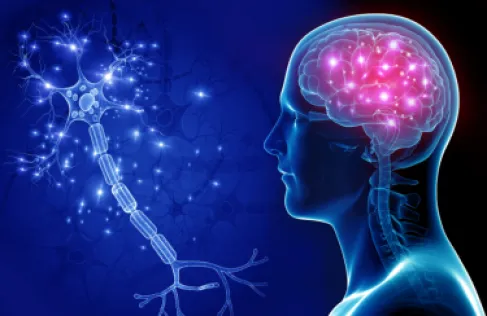
Many studies also suggest that consuming moderate amounts of caffeine daily may help restore activity, improve brain and nervous system performance, and enhance cardiovascular functions.