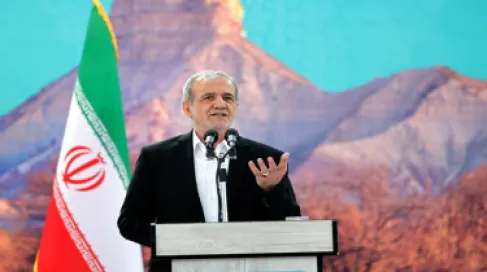
Khaberni - Kazem Ghareeb Abadi, the Iranian Deputy Foreign Minister, said that those he described as enemies "could manage to start a war against us but they will not determine its end, and the effects of it will not be limited to both parties of the war," and added "we do not initiate aggression against other countries, but we defend our homeland decisively."
The Deputy Minister for Legal and International Affairs, during his participation in the 61st session of the UN Human Rights Council in Geneva, stressed that Tehran will resort, when necessary, to its inherent right to legitimate defense according to the UN Charter, and added "our right to peaceful nuclear energy is non-negotiable and guaranteed by international law."
He also emphasized that any negotiations must be based on "mutual respect and non-selective implementation of international rules," indicating that "there is a new opportunity to resolve disputes through dialogue."
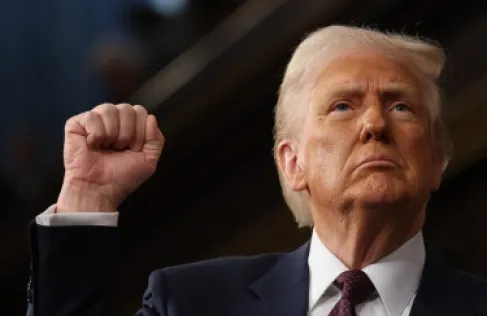
The day after US President Donald Trump announced that he is considering directing limited strikes against the Islamic Republic, Iran warned today, Monday, that it "will respond strongly" to any US attack, regardless of its size.
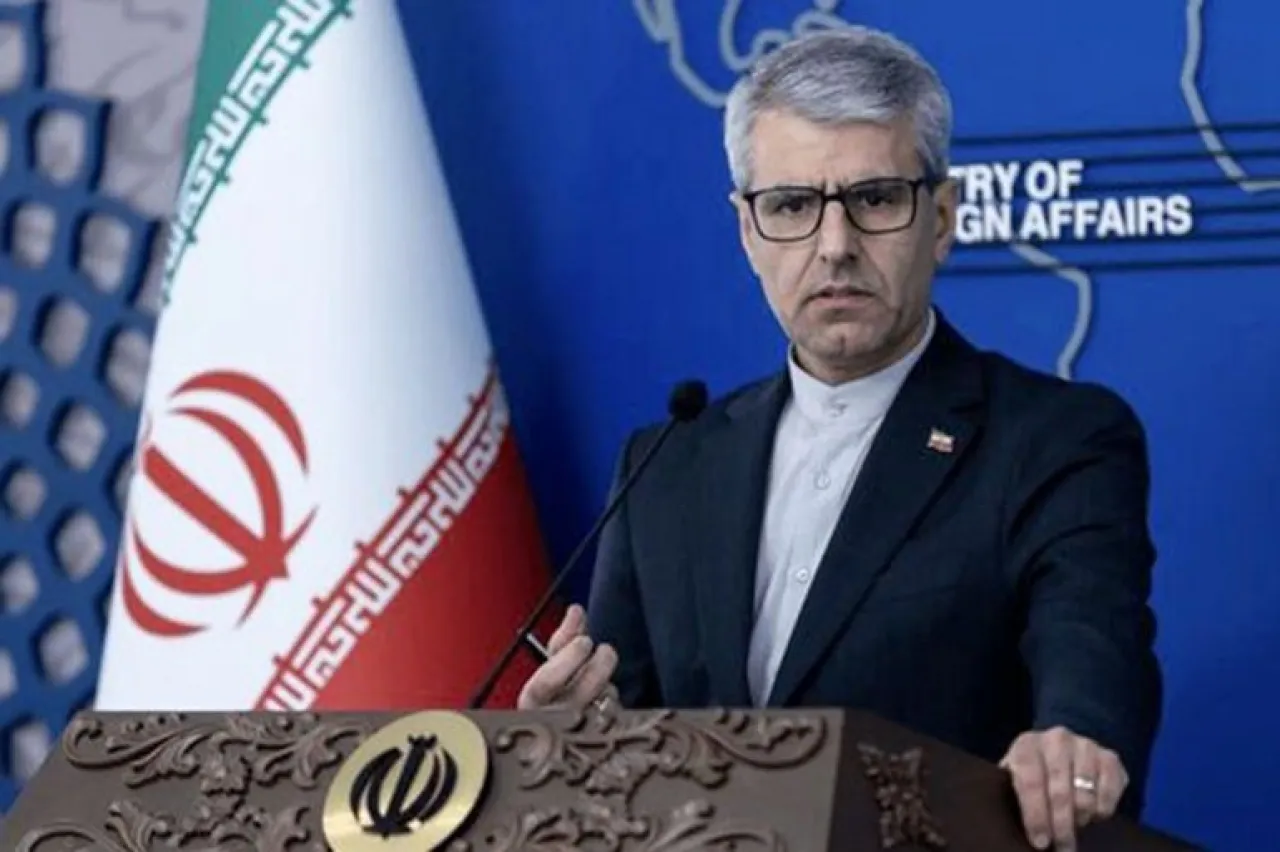
The spokesman for the Iranian Foreign Ministry, Ismail Baghaei, during a press conference on Monday, pointed out that "there is no limited strike, any aggression will be considered as aggression," and emphasized that "any country will respond strongly to aggression based on its inherent right to legitimate defense, and this is what we will do."
Baghaei denied what he described as claims of a "temporary agreement" in ongoing negotiations between his country and the United States regarding the nuclear issue, explaining that many claims were raised about the content of the negotiations with the United States recently.
He indicated that Iran could accept a deal that ensures its rights, including the nuclear file, lifting of sanctions, and confirmed that Iran will respond to all attacks in case of a potential war, saying, "Our forces are on alert round the clock to defend our homeland."
Negotiation Pressure
The United States is amassing its forces in the Middle East to increase pressure on Iran to reach an agreement with it in negotiations that resumed on Thursday, while Trump considers directing a limited strike in case no agreement with Tehran is reached.
The two countries concluded the second round of indirect talks last Tuesday, held in Switzerland with Omani mediation, and further talks scheduled for this coming Thursday are confirmed by Iran and Oman, but not yet by the United States.
The Iranian Foreign Minister, Abbas Araghchi, leads the negotiations on behalf of Iran, while the American envoy Steve Whitcov and the President's son-in-law Jared Kushner represent the American side.
In an interview conducted by "Fox News" and aired over the weekend, Whitcov stated that Trump "is wondering why Iran hasn't surrendered to the American military mobilization."
Commentating on this, the spokesman for the Iranian Foreign Ministry, Baghaei, said that "surrender is not in the character of Iranians," and that they have never done so throughout history.
Meanwhile, the European Union called for a diplomatic solution, and the official in charge of foreign affairs, Kaja Kallas, said before a meeting of foreign ministers of EU countries, "We do not need another war in this region, we already have plenty of wars."
She added, "It's true that Iran is going through its weakest phase ever, but we need to seize this timing to find a diplomatic solution."
American Demands and Justifications
The United States demands Iran to completely stop its uranium enrichment activities and transfer enriched uranium out of the country, and hints at using military force against it.
While Tehran sees that Washington and Israel are concocting pretexts for intervention and regime change in it, and threatens to respond to any military attack even if it is limited, while holding onto lifting Western economic sanctions in exchange for imposing restrictions on its nuclear program.
Trump had threatened military action in response to what he described as the violent security campaign carried out by the Iranian authorities against protesters, which rights groups say resulted in thousands killed by security forces, but he soon shifted focus to Iran’s nuclear program.
The Iranian fear of a new conflict escalated, prompting several countries to urge their citizens to leave Iran, and in this context, India called on its citizens in Iran estimated by its foreign ministry at about 10,000 to leave the Islamic Republic, after similar calls were issued to citizens of Sweden, Serbia, Poland, and Australia.