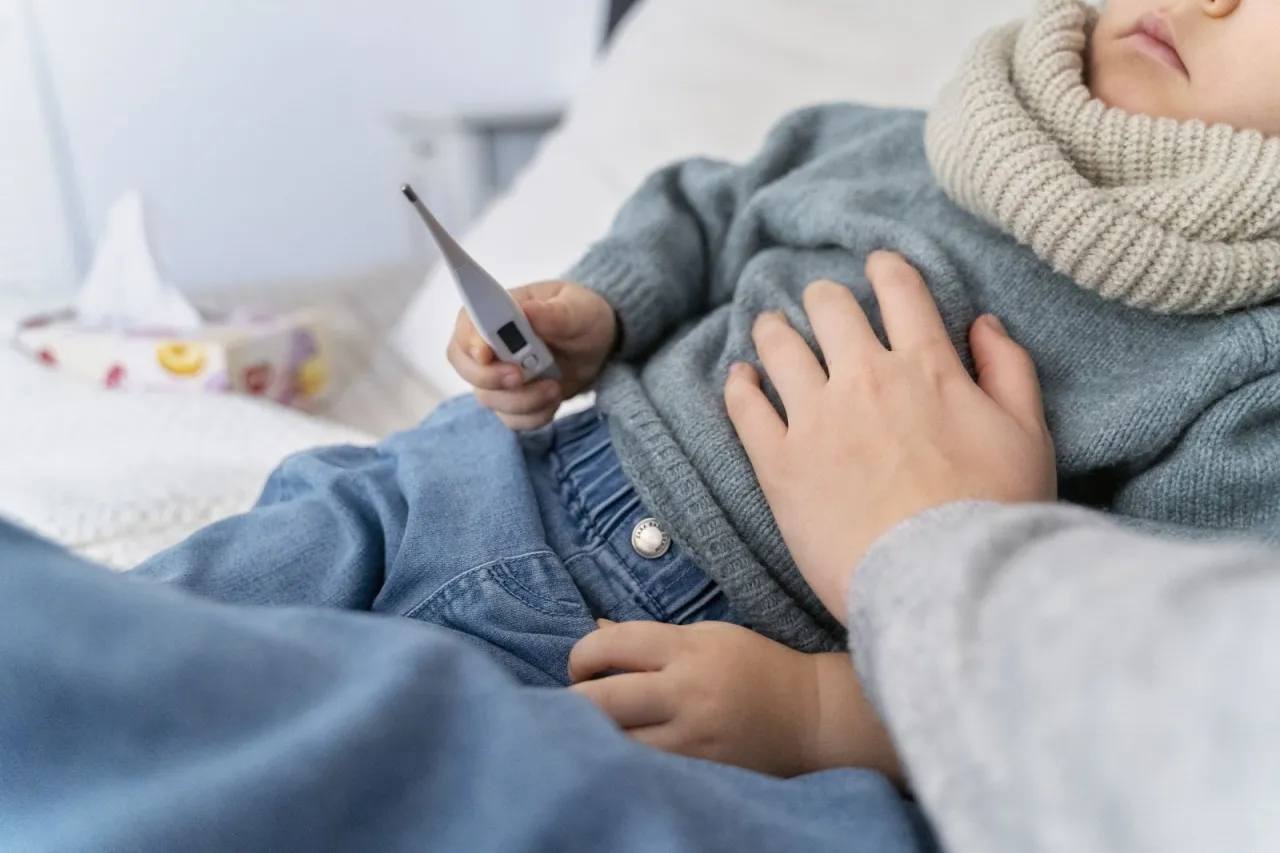
Khaberni - Despite parents' efforts to secure the home, an unexpected danger that may threaten young children remains, namely "adult medications", especially those found in grandparents' bags or on tables.
This condition is known as "Grandma's Purse Syndrome", and it is a common cause of accidental poisoning in children.
A 2016 study indicates that medications from grandparents account for between 10% and 20% of unintentional poisoning cases among children in the United States, with the average age of hospitalized children being only 18 months. The medications were often placed on low tables or shelves easily accessible to them.
The British Toxicology Society also noted that about two-thirds of accidental poisoning cases in children in the United Kingdom are linked to medications not intended for them, often belonging to parents or grandparents.
Dr. Megan Martin, an emergency medicine specialist, warns that a small child's body makes even a single pill a real danger, and explains that children tend to imitate adults, which increases the likelihood of them consuming medications if they see them in front of them.
The most hazardous medications include opioid painkillers, tricyclic antidepressants, medications containing iron, and epilepsy drugs, as these could cause serious complications or even death.
Specialists recommend storing all medications in high, locked cabinets, out of sight, and not to leave them in bags, drawers, or on tables. It is also preferable to avoid taking medications in front of children.
In case of suspicion that a child has accidentally ingested medication, experts advise seeking medical help immediately and bringing the medication package to the hospital to assist doctors.
They also warn against trying to make the child vomit or giving them any food or drink, as this could increase the risk.