Khaberni - As the demand for natural hydration-supporting beverages grows, "banana water" has recently entered a market dominated by "coconut water". While both are marketed as natural sources of electrolytes, nutritional comparisons reveal significant differences that could influence choice, especially after exercise or in hot weather.
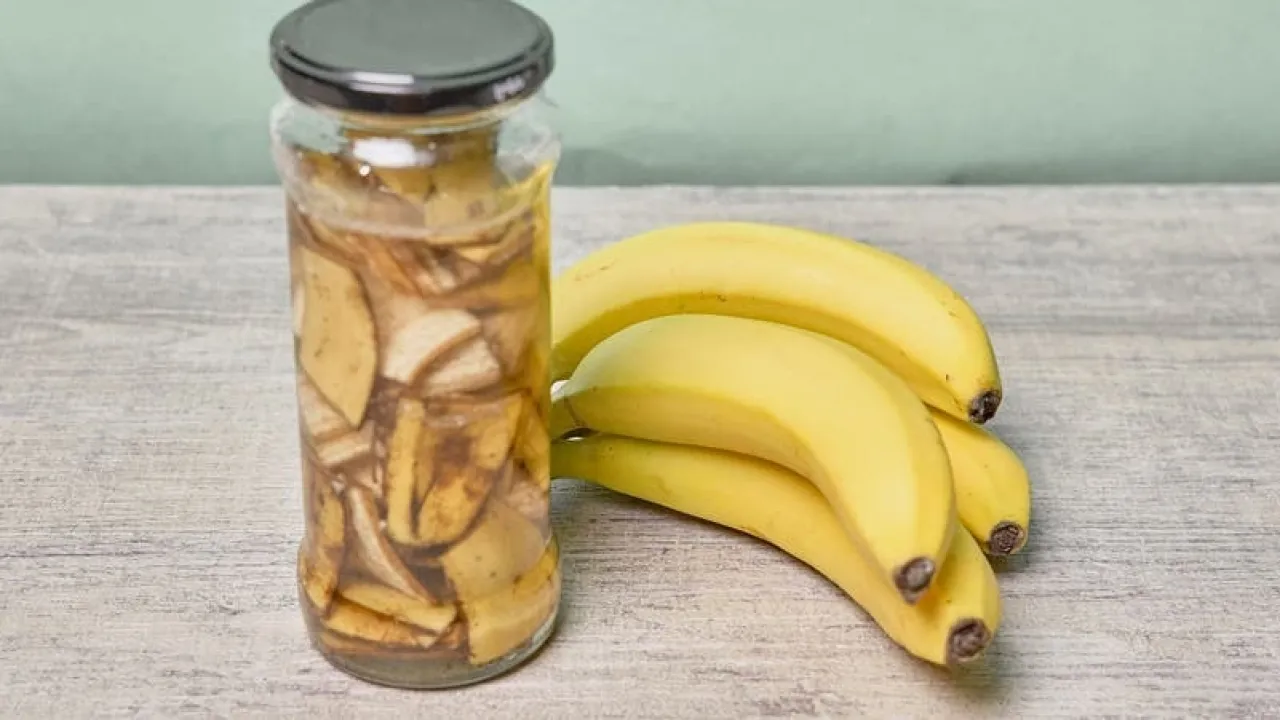
According to a report on the health website "VeryWellHealth", coconut water is naturally extracted from green coconuts and is characterized by a mildly sweet taste. On the other hand, banana water is typically prepared by soaking banana peels or using techniques to extract its nutrients, giving it a taste more akin to diluted banana juice.
Although the calorie content is similar; each provides about 80 to 90 calories per 16-ounce serving, the real difference lies in the mineral composition.
The critical element here is sodium. Banana water usually lacks sodium, while coconut water contains a moderate amount ranging from 30 to 65 mg per serving. While this amount may seem modest, it becomes significant after sweating, as the body loses sodium with fluids. Without compensating for this element, effective hydration may not be fully achieved, even if one no longer feels thirsty.
In terms of potassium, both beverages are rich in it. Some banana water brands promote their products as containing about 800 mg per 12-ounce package, although these numbers often reflect the addition of compounds such as potassium citrate, not just natural extraction. Similarly, coconut water may contain over 800 mg in some products.
As for magnesium, levels in banana water vary significantly depending on the manufacturing process, while coconut water provides a moderate amount ranging from 25 to 40 mg per serving.
From a scientific perspective, research indicates that coconut water can be an effective alternative to traditional sports drinks due to its relatively balanced mix of electrolytes, while banana water still lacks extensive studies to support its efficacy in this context. Thus, those looking to replenish fluids and minerals after physical effort or during heat waves may find coconut water a more comprehensive option.
Nevertheless, both beverages contribute to the total daily intake of fluids, which is the most important factor in basic hydration.
The difference lies in the details; if the goal is merely to drink additional fluids with a natural flavor, both are suitable. However, if the goal is to replenish minerals lost due to sweating, coconut water takes the lead.
Ultimately, the battle of hydration is not decided by taste alone, but by the balance of electrolytes. As the market for natural alternatives expands, scrutinizing the nutritional label becomes a necessary step to make an informed decision that aligns with the body's actual needs.