Khaberni - European Commissioner for Home Affairs and Migration, Magnus Brunner, stated that the European Union has not yet reached a stage where Syria can be considered stable enough for large-scale deportations.
Brunner added in an interview with the German news agency published on Saturday that Syria is currently "not considered a safe country according to European Union rules."
At the same time, the European official emphasized the ongoing European support to improve the situation, which may lead to a change in this assessment in the future.
He explained that the European Union's policy, except in criminal cases, focuses on encouraging the voluntary return of Syrian migrants to their war-torn country, rather than resorting to forced deportation.
In this context, Brunner mentioned that the European Union Agency for Asylum reported a gradual improvement in the situation inside Syria, which led the European Border Protection Agency "Frontex" to support the voluntary return operations for thousands of Syrians during the past period.
Migration Diplomacy
On the other hand, the European Commissioner stated that "he intends to rely more on the carrot and stick principle, in dealing with third-world countries regarding migration."
Brunner said, "The European Union has tools, such as visa policy and trade and development cooperation, which we must use as strategic tools for the benefit of Europe."
He pointed out disagreements with countries he said "have not made sufficient efforts in the past to address the issue of irregular immigration," and clarified that "we then imposed visa sanctions on just one country and suddenly it worked," describing this as "migration diplomacy."
He stated that many countries target visa facilitation with the European Union because they anticipate tangible benefits for their economies, and explained that "the European Union can use this to its advantage, as the migration policy in the bloc is not only designed to curtail irregular immigration but also to offer opportunities."
Brunner said, "We need to become more flexible, agile, and digitalized, for instance, regarding skilled labor and scientists."
New Rules
According to the migration strategy unveiled by the European Commission this week, the labor shortage in many key sectors is expected to worsen in the next five years.
Brunner sees an opportunity in this trend, considering the priorities of the bloc are clear, and added, "If we give our citizens a sense that we are in control of illegal immigration, then we can better discuss legal migration."
He affirmed that in the past ten years, the European Union was not in control of migration, and the rules were outdated, saying, "We must be able to decide ourselves who comes to Europe, not human smugglers."
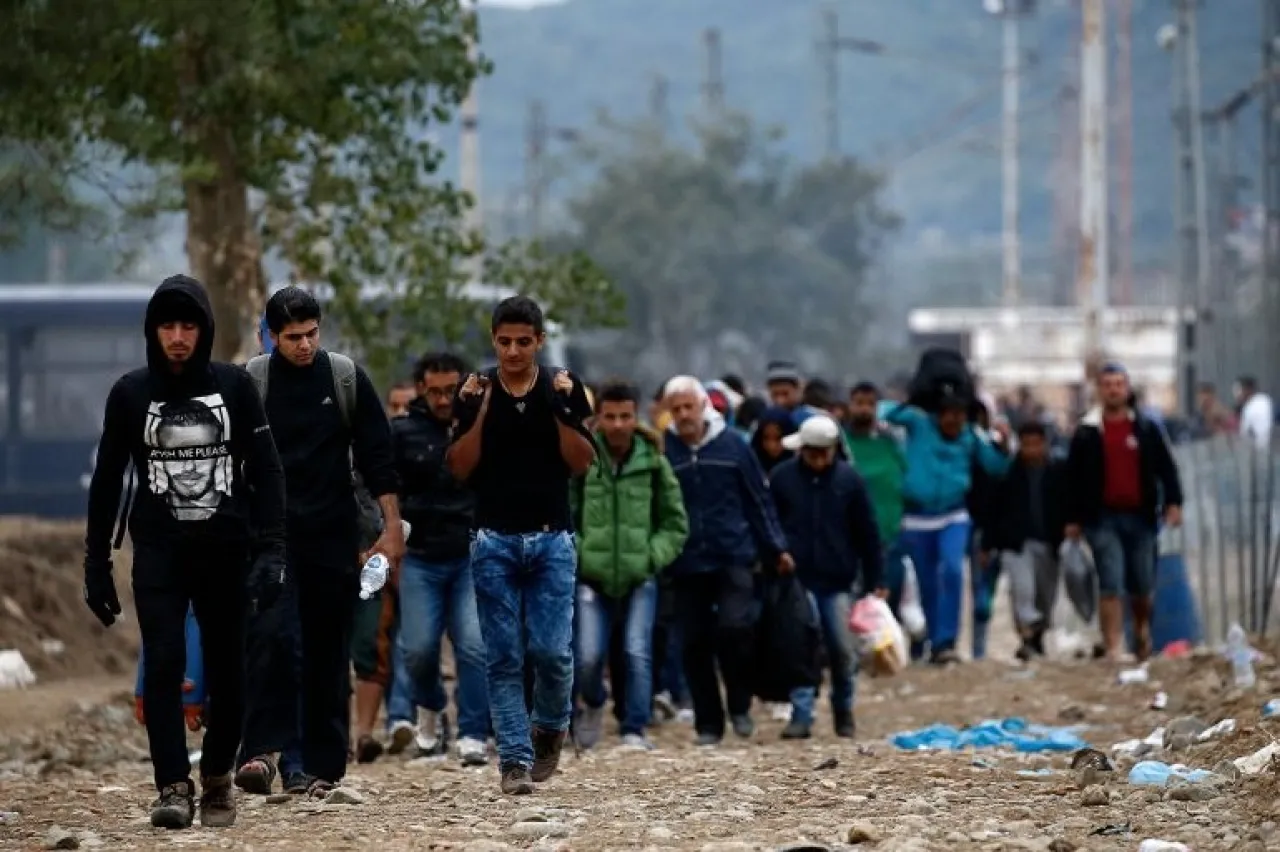
To alleviate the increasing pressures associated with the migration issue within the European Union, Brunner intends to enhance deterrence measures for asylum seekers from taking dangerous routes, especially those crossing the Mediterranean, in addition to expanding cooperation with third-world countries.
The migration strategy includes establishing special centers along refugee routes, referred to as "multipurpose centers", which were presented in a strategy paper this week.
According to the Commission, such centers can facilitate evacuation operations, care for those in need, or support migrants in their voluntary return to their home countries.