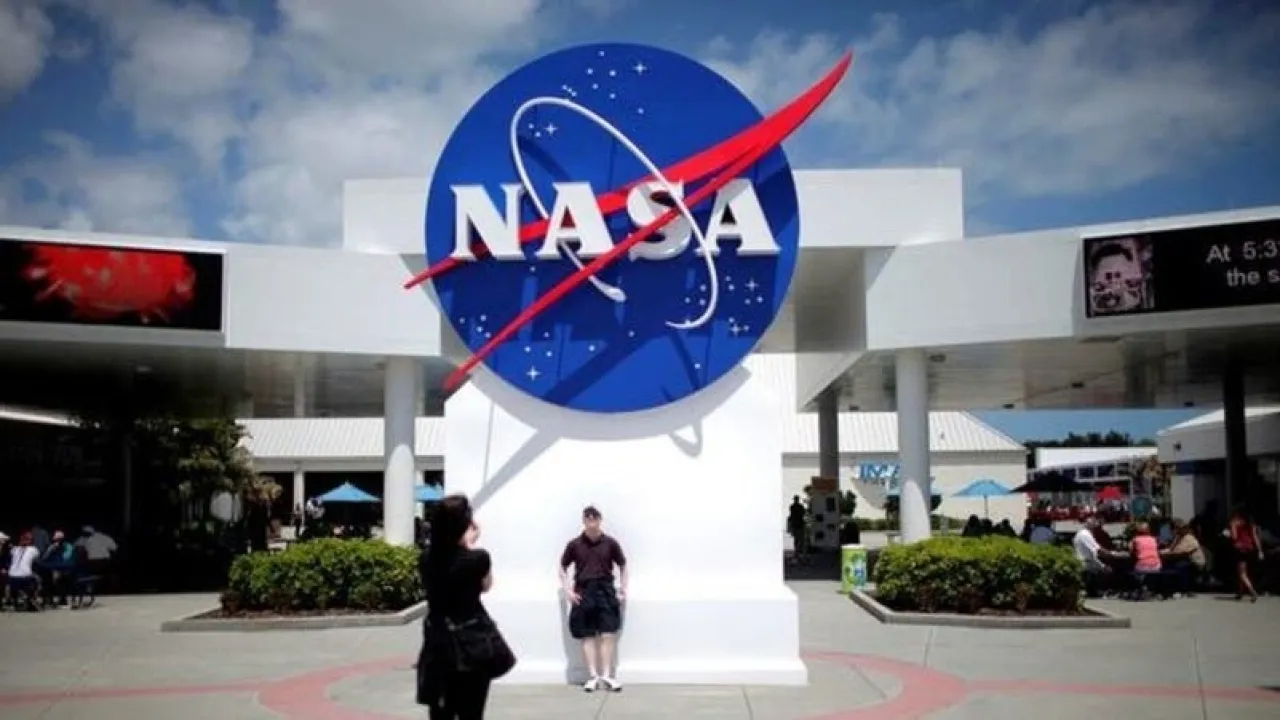
Khaberni - Becoming an astronaut is a serious commitment, yet it is a dream cherished by many. It drives the chosen candidates, often in their thirties and forties, to leave prestigious jobs in search of the opportunity to become astronauts, starting from scratch.
The process requires long working hours and frequent travel, and there is no guarantee of reaching space. According to the Space website, the requirements for becoming an astronaut at NASA are as follows:
Astronaut Requirements
NASA sets strict requirements to be an astronaut. Not only does the job require high physical fitness, but it also requires technical skills to perform difficult tasks in a spacecraft or on a space station far from Earth.
Basic requirements include having a bachelor's degree in engineering, biological sciences, physical sciences, computer science, or mathematics, plus three years of professional experience (or 1,000 hours as pilot-in-command on a jet aircraft). Candidates must also pass NASA's medical examination for astronauts.
However, there are many other skills that are a valuable addition to the selection, such as diving, wilderness expertise, leadership experience, and fluency in other languages (especially Russian, which all astronauts today are required to learn).
Spacecraft
The new class of astronauts has a wide range of vehicles they can use. Today's astronauts use the Russian Soyuz spacecraft to reach the International Space Station, which is the main destination for testing long-term space flights.
However, NASA hopes in the coming years to move beyond low Earth orbit once again to undertake missions to the Moon and Mars. If this happens, the new batch of astronauts will use the Orion spacecraft to explore deep space.
Commercial Vehicles
New astronauts can also look forward to launching from American soil, as soon as the new batch of commercial vehicles is ready. Both SpaceX and Boeing are developing spacecraft for NASA's Commercial Crew Program, which is expected to actually launch by the end of the decade. This will be the first time American astronauts have launched from the United States since the Space Shuttle program was completed in 2011.
Gateway to Deep Space
NASA hopes to send astronauts to Mars in the fourth decade of the 21st century, if its current plan receives the necessary support for that duration. As part of that, the agency recently announced a space station known as the "Gateway to Deep Space" near the Moon, which would help astronauts train for deep space missions, or prepare for a trip to Mars.
Training Program and Lifestyle
While the public focuses its attention on astronauts while they are in space, they actually spend only a small portion of their career in space. They spend most of their time training and supporting other missions.
First, astronaut candidates undergo basic training for about two years, where they will learn survival skills, language skills, technical skills, and other things they need.
After graduation, new astronauts may be assigned to a space mission or to technical positions at the Astronaut Office at the Johnson Space Center in Houston. These positions include supporting current missions or advising NASA engineers on how to develop future spacecraft.
Candidates undergo an intensive process before being certified as astronauts ready for the journey. Among their many tasks, they learn how to walk in space, how to use robots, how to fly planes, and how to work aboard the International Space Station.
Candidates are trained to fly NASA's fleet of T-38 aircraft to gain flying skills; they train to walk in space in the deep swimming pool at the Johnson Space Center (called the Neutral Buoyancy Lab); they capture simulated spacecraft using a training version of the station's robotic arm, Canadarm2; they learn Russian; and they receive basic training in space station operations.
Astronauts also enhance their leadership skills and their ability to follow orders through training in geology and survival.