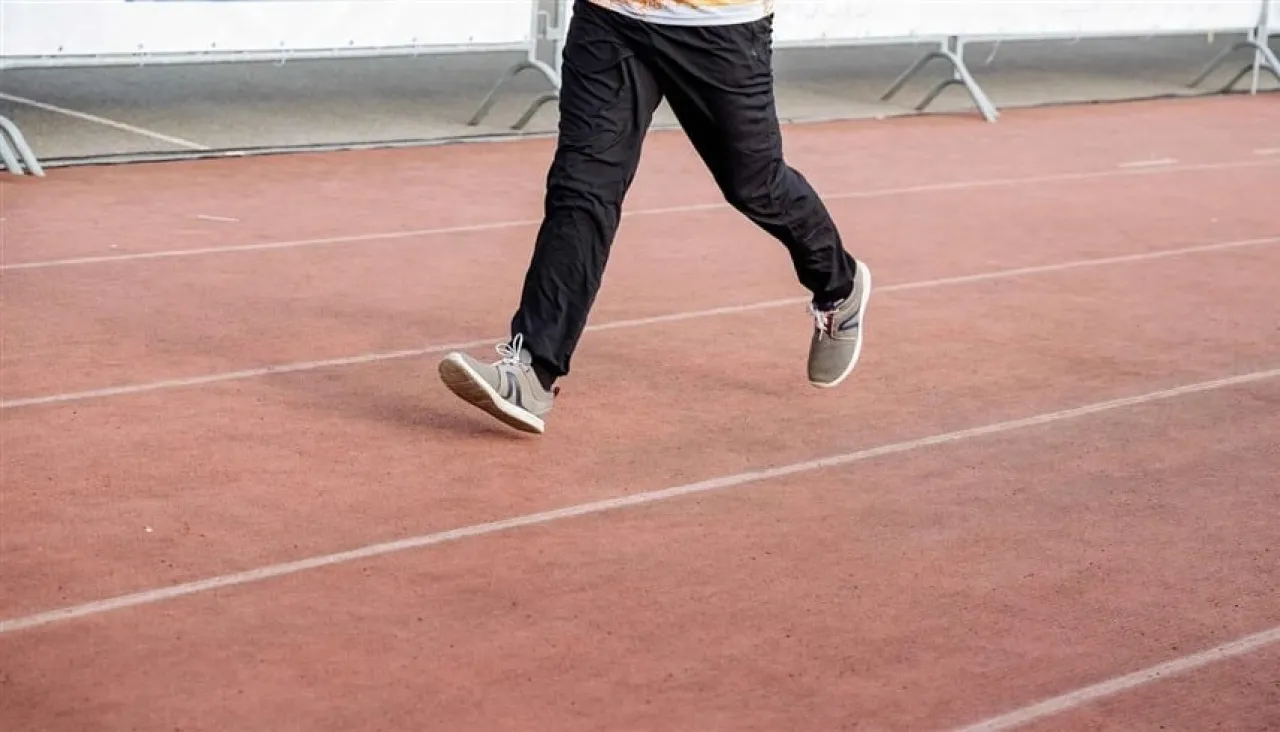
Khaberni - Running is a relatively high-impact activity. Every time your foot touches the ground while running, your body absorbs a force equivalent to two to three times your body weight. It's easy to imagine that this load transfers directly to the knees, and indeed, the knees absorb a load three times greater during running compared to walking.
But this is not necessarily bad. Running helps maintain the strength and health of your knees.
The knee joint is very strong and designed to stay mobile. The cartilage inside the knee is a tough and flexible connective tissue that helps absorb shock and protect the bones of the knee joint.
This means it needs some load to continue functioning. Strong evidence suggests that when pressure is relieved from the body—for instance, during prolonged bed rest or immobilization—both bone and cartilage begin to deteriorate.
Effect of Running on Cartilage
It is known that running temporarily reduces the thickness of the knee cartilage, which then returns to normal two hours after the run has ended.
According to “The Independent,” researchers have indicated that this process may be important in facilitating the delivery of nutrients to the cartilage, helping it adapt and gain more strength.
Considering the other benefits of running for the heart, blood circulation, and overall health, some people ask: Am I too old to start running?
Running Slowly
Studies show that those who began running after the age of 65 not only notice an improvement in strength and function but also find it safe and enjoyable.
The secret to the success of this exercise at any age is to start slowly.
Given that this type of training leads to significantly larger loads on the joints compared to running, this gives us a good indication that starting to run at an older age can be safe and effective as well.
Time to Adapt
As with any type of exercise, your muscles and joints need time to adapt to the new load placed on them.
Fitness experts recommend starting with intermittent periods of walking for a short duration, then running for another short period. Over time, you can gradually increase the running distance, giving your body ample time to adapt.
Since running is a high-energy-consuming activity, support your exercise by consuming protein and carbohydrates, enabling the body to recover quickly.