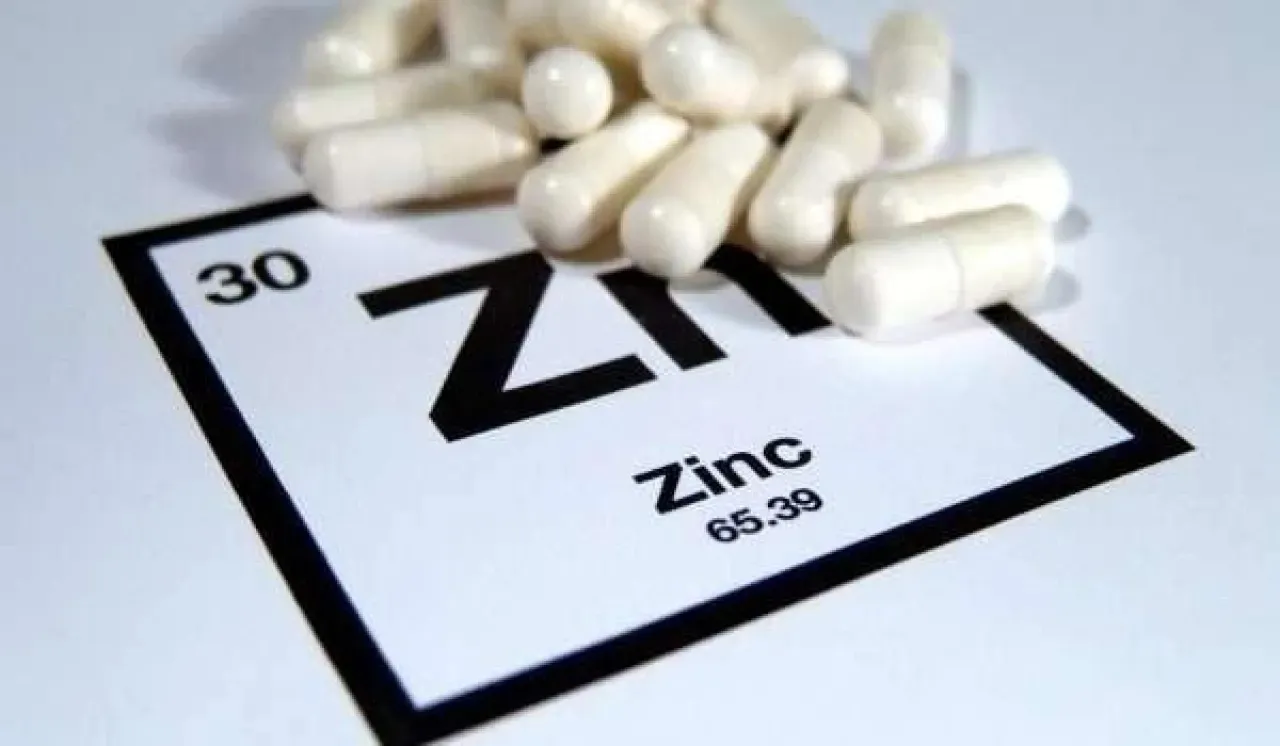
Khaberni - Zinc and Vitamin C are known for their role in supporting the immune system, but combining them may provide the body with additional benefit, according to a health report published by the medical site Verywell Health, based on scientific reviews and recent clinical research.
According to the report, these two elements do not prevent diseases, but taking them together may reduce the severity of symptoms and shorten the recovery period, especially in cases of colds or periods of physical and psychological stress.
Zinc plays a key role in activating immune system cells responsible for fighting viruses and bacteria, and is involved in wound healing and DNA synthesis. Zinc deficiency leads to weakened immune response, making the body more susceptible to infections.
Vitamin C, a water-soluble vitamin, is known for its antioxidant properties, as it protects cells from damage, supports the function of white blood cells, and contributes to the production of collagen necessary for skin and tissue health.
When taken together, zinc supports tissue repair, while Vitamin C reduces inflammation resulting from infections, helping the body recover faster.
Potential benefits when combined
Studies indicate several potential benefits of taking zinc and Vitamin C together, including:
- Reducing the severity of cold symptoms when taking Vitamin C regularly.
- Shortening the duration of illness when using zinc at the first appearance of symptoms.
- Faster recovery support thanks to reduced inflammation and stimulated tissue repair.
However, the report emphasizes that these supplements are not an alternative treatment or a guaranteed method of prevention but a supportive tool when needed.
Experts warn against excessive consumption of dietary supplements. Long-term high doses of zinc can lead to nausea, stomach pain, and copper deficiency in the body, while excessive Vitamin C can cause digestive disorders or increase the risk of kidney stones.
Zinc is recommended to be taken with food to avoid stomach irritation and be aware of potential interactions with certain medications, such as antibiotics and diuretics.
The report recommends obtaining zinc and Vitamin C from natural dietary sources whenever possible. Sources of zinc include oysters, meats, legumes, and nuts, while high amounts of Vitamin C are available in citrus fruits, strawberries, kiwis, sweet peppers, and broccoli.
Experts conclude that combining zinc and Vitamin C may support the immune system and alleviate the duration and severity of some diseases, but the use of supplements should be cautious and under medical supervision, with an emphasis on balanced nutrition as the foundation for immune health.