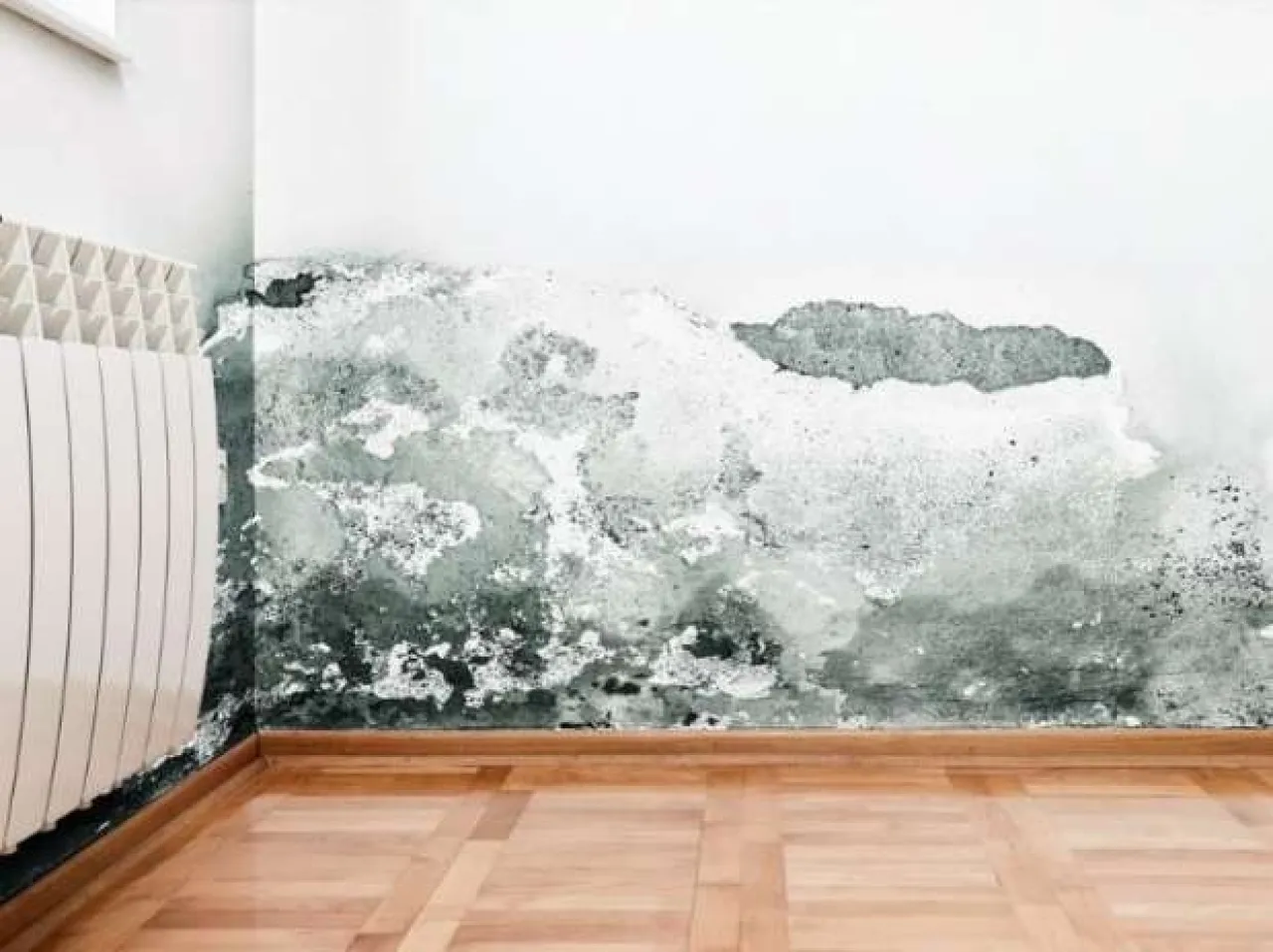
Khaberni - As temperatures drop and winter approaches, many homes begin to face problems with indoor humidity, resulting in mold, unpleasant odors, and damage to walls and furniture.
Humidity is not just an aesthetic issue, it can cause health and structural problems, such as allergies, respiratory issues, and damage to paint, walls and wood.
We will provide you with a practical guide on protecting your home from moisture, the best ways to prevent mold, and how to prevent moisture accumulation in winter, in addition to effective tips for ventilation and reducing indoor humidity.
Why do humidity and mold appear in winter?
Winter is the season when homes are most susceptible to humidity due to poor ventilation, heavy reliance on keeping windows closed, water leaks due to rain, and water vapor from cooking and showering, all of which contribute to an ideal environment for mold growth on walls, ceilings, and windows.
Mold is not just an annoying black stain; it can lead to health issues such as:
1. Allergies
2. Respiratory infections
3. Weakened immunity
4. Unpleasant odors inside the home
Therefore, preventing mold is an essential part of maintaining a healthy home environment.
How to prevent moisture accumulation in winter
If you are looking for how to prevent moisture accumulation in winter, there are key factors to consider from the start:
1. Improve ventilation
Good ventilation is the first step in reducing humidity. Open windows daily for 10–20 minutes even if the weather is cold, as this helps to renew the air and prevent mold formation.
2. Reduce sources of steam
Cooking without a cover, using hot water frequently during showers, and drying clothes indoors—all these factors increase humidity. Try to minimize them as much as possible.
3. Repair any water leaks
Water leaks from ceilings, walls, or water pipes are among the main causes of humidity. Therefore, any leaks should be repaired immediately before they turn into a bigger issue.
Methods to prevent mold in winter
If you want to apply methods to prevent mold in winter, follow these important preventive measures:
1. Monitor places most prone to mold
Bedrooms, bathrooms, kitchens, and corners near windows are most likely places for mold to appear. Keep an eye on these areas and clean any spots immediately.
2. Use anti-moisture products
Moisture-absorbing packs or small domestic dehumidifiers are very effective in homes suffering from high humidity.
3. Use moisture-resistant paint
If your home consistently suffers from humidity, water-resistant and mold-resistant paints can be used on walls and ceilings.
Methods for eliminating mold in the home
If mold has already appeared, there are safe and easy methods to eliminate mold in the home:
1. Wipe the affected area with a diluted solution of vinegar or bleach
2. Avoid using just a dry cloth, as it spreads the spores rather than eliminating them
3. Wear gloves and a mask to protect yourself
4. After cleaning, ensure good ventilation of the area
If the mold is large or frequently recurring, professional intervention may be required.
Tips for ventilation and reducing humidity
Key factors that help with tips for ventilation and reducing humidity inside the home include:
1. Open the windows immediately after taking a shower or cooking
2. Use exhaust fans in the bathroom and kitchen
3. Do not place furniture close to wet walls
4. Leave space between cabinets and walls to allow air passage
5. Regularly clean windows to prevent water condensation on them
These simple steps greatly contribute to protecting your home from humidity and reducing the likelihood of mold growth.
Is humidity a health hazard?
Yes, humidity and mold can be dangerous, especially for children, the elderly, and those who suffer from allergies or asthma, as fungi and bacteria that grow in a damp environment directly affect the respiratory system.
Therefore, addressing the issue of humidity in the home is not a luxury, but a health necessity.
Long-term solutions for protecting the home from humidity
If the problem of humidity is chronic in your home, consider more sustainable solutions such as:
1. Insulate walls and ceilings
2. Repair external cracks
3. Improve window insulation