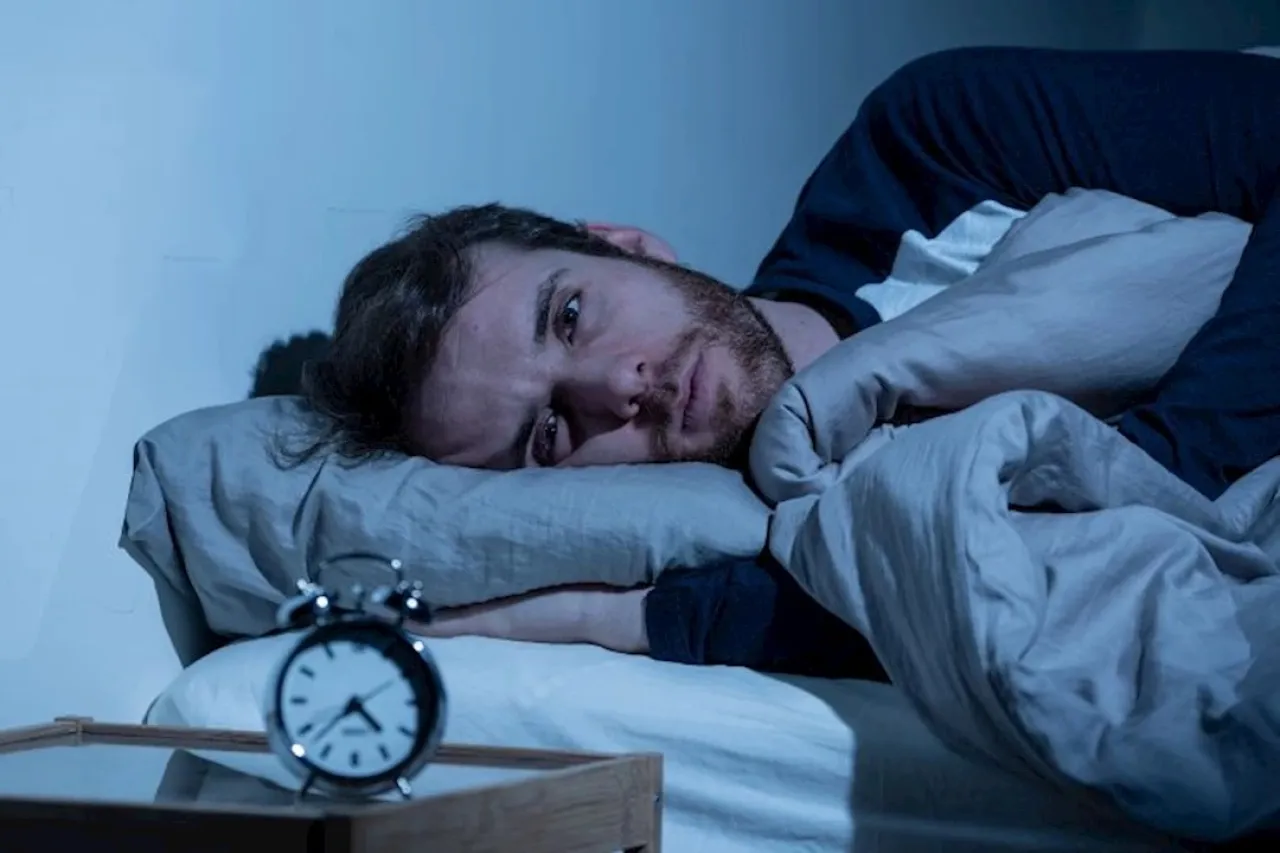
Khaberni - In a fast-paced world, some may have to stay up for several consecutive days due to work, studies, or even entertainment. However, what many do not realize is that continuous sleep deprivation affects not only fatigue but also deeply affects body and mind functions.
Let's discuss what happens to your body when you frequently stay up late, and why sleep is an essential element that is not easily replaceable.
Circadian Rhythm Disruption
The human body relies on an internal system known as the circadian rhythm, which regulates sleep and wake times and many vital functions.
When staying up for several consecutive days, this system is disrupted, leading to:
Difficulty sleeping even when tired
Sleep schedule disruptions
A constant feeling of fatigue
Reduced concentration and mental abilities
Lack of sleep directly affects the brain, reducing the ability to concentrate and make decisions. After days of sleep deprivation, you might notice:
Slowed thinking
Weakened memory
Difficulty solving problems
Increased errors in work or study
In some cases, one might feel a "mental fog."
Mood swings and stress
Sleep plays an important role in regulating emotional state. When deprived of it, a person becomes more susceptible to:
Irritability and emotional outbursts
Anxiety
Stress
And even temporary depression
These symptoms may worsen with continued sleep deprivation.
Weakened immune system
The body needs sleep to repair itself and strengthen the immune system. With repeated sleep deprivation:
The body's ability to resist illnesses decreases
Increased likelihood of catching colds and infections
Extended recovery time when sick
In other words, sleep deprivation makes your body more susceptible to illness.
Effect on the heart and circulatory system
Lack of sleep for prolonged periods can affect heart health and is associated with:
Increased blood pressure
Increased heart rate
Increased long-term risk of heart disease
Disruptions in weight and appetite
Staying up affects the hormones responsible for hunger and fullness, leading to:
Increased appetite
Desire to eat unhealthy foods
Potential weight gain
Also, lack of sleep reduces efficient calorie burning.
Decreased energy and continual fatigue
After several days without sufficient sleep, the body enters a state of severe fatigue, where:
Energy levels decrease
You feel lethargic throughout the day
Performing simple tasks becomes exhausting
Even caffeine will not fully compensate for this deficit.
Can sleep be compensated for later?
Some try to "catch up" on sleep over the weekend, but the truth is that this doesn't fully compensate for the damages caused by frequent sleep deprivation.
Regular sleep daily is the best way to maintain physical and mental health.
When does it become dangerous?
Staying up for a night or two might sometimes be acceptable, but if it continues for several consecutive days frequently, it can lead to:
Chronic health problems
Overall performance decline
Noticeable psychological effects
How to avoid the harms of staying up?
To maintain your health, try:
Sleeping from 7 to 9 hours daily
Keeping a regular sleep and wake schedule
Reducing phone use before bedtime
Avoiding caffeine in the evening
Creating a comfortable sleeping environment