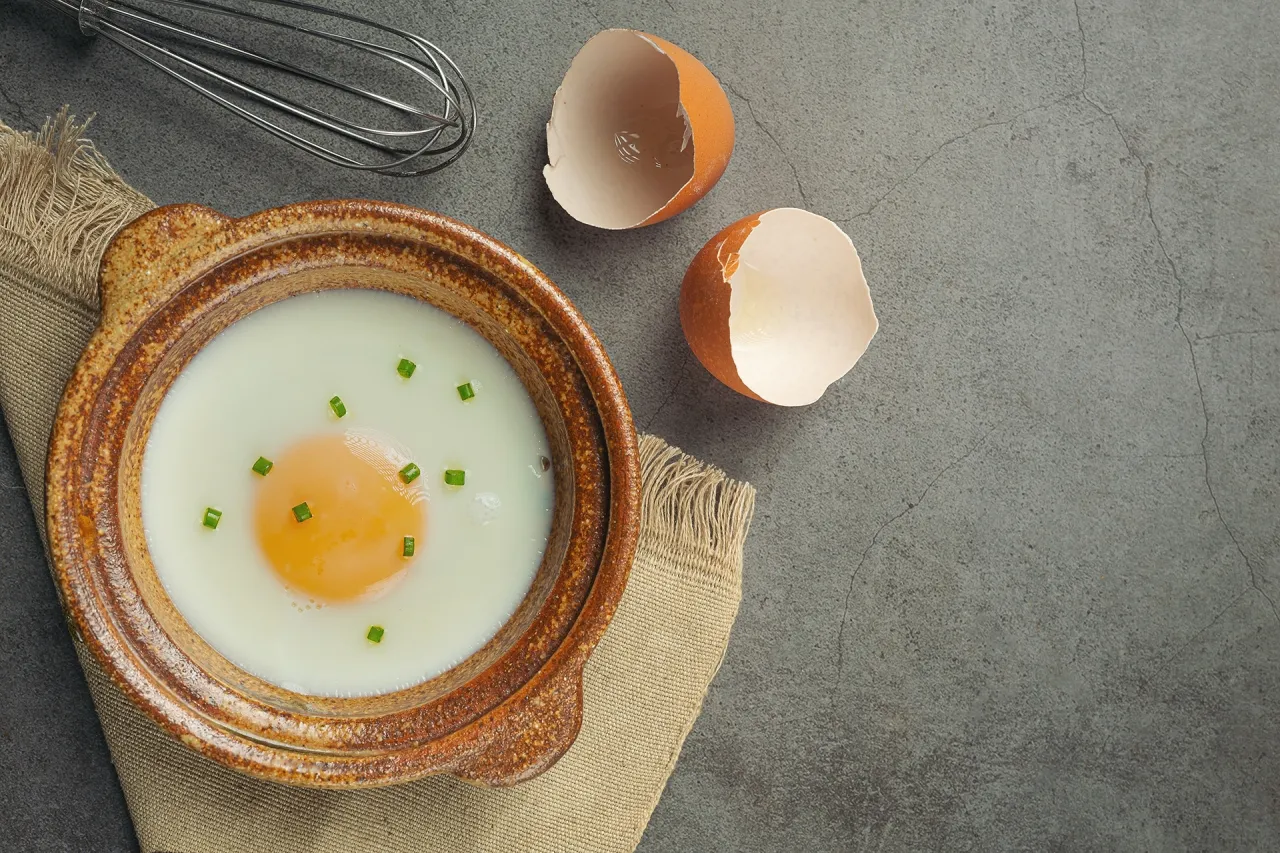
The Federal Institute for Risk Assessment in Germany has warned about the risks of handling raw eggs without sufficient precautions, noting that the eggshell and what lies beneath can be a breeding environment for pathogens, even if the egg appears intact from outside.
The Institute explained that bacteria such as Salmonella and Campylobacter are among the most common microbes in eggs, and they can lead to symptoms including headaches, abdominal pain, nausea, vomiting, and diarrhea.
Although laying hens are often healthy, they can transmit these microbes to the eggs during formation, and germs can also transfer from one egg to another during packing and storage operations.
Proper Storage
To reduce these risks, experts recommend storing eggs in the refrigerator at temperatures between 4 and 6 degrees Celsius, as bacteria have less ability to reproduce under these conditions.
It is also advised to avoid exposing eggs to sudden temperature changes after cooling, as this leads to condensation on the shell, which facilitates the infiltration of germs into the egg.
Proper Cooking
Specialists emphasize the necessity of cooking eggs well before eating them by heating them for more than two minutes at a temperature not less than 70 degrees Celsius, in order to ensure the elimination of potential pathogens.
Caution with Raw Eggs
The risks increase when using raw eggs in some foods and desserts, such as tiramisu, as this uncooked environment provides suitable conditions for bacterial growth.
How to Check the Freshness of Eggs?
According to guidelines, eggs remain suitable for consumption for up to 28 days from the date they were laid, and their quality can be checked through three simple methods:
1- Shake test
If no sound comes from the egg when you shake it, it is likely fresh, while a rattling sound indicates its age.
2- Water test
Immerse the egg in water; the more it rises to the surface, the older it is, and if it floats completely, it is advised not to consume it.
3- Egg white test
When breaking the egg, the white in a fresh state is thick and cohesive, with a high yolk, while runniness and flattening indicate a loss of quality.
These recommendations emphasize that proper handling of eggs, from storage to cooking, remains the most important factor to avoid infection and maintain food safety.