Women's iron needs change according to the age and hormonal stages they go through. Without enough iron, the body cannot produce sufficient red blood cells, which carry oxygen throughout the body.
However, many women over sixty may wonder whether they still need an extra dose of this mineral, so they take iron supplements "just in case". Yet, a Harvard University expert says that too much iron can be just as harmful to health as too little.
When iron deficiency is called iron-deficiency anemia, it affects up to 17% of Americans aged 65 and over, according to the American Society of Hematology.
Some older women assume they have anemia simply because they feel tired and lethargic, which are among the prominent symptoms of this condition. But Dr. Susan Salamon, head of geriatric medicine at Beth Medical Center, affiliated with Harvard University, urges them to look deeper.
She explains: “We are born with a certain amount of iron in our bodies, which our blood carries. When blood cells die, the iron is reused. So, if your iron levels start to drop, you need to find out why first.”
◄ Iron Deficiency Cases
Young women need more iron to compensate for blood lost during menstruation, therefore the recommended dietary amount for women up to age fifty is 18 milligrams per day. However, after menopause, the recommended amount of iron drops to just 8 milligrams for women aged 51 and over. Pregnant women, on the other hand, should get 27 milligrams of iron daily. There are many conditions and circumstances, some hidden, that can actually lead to iron deficiency or loss. These conditions include:
• Gastrointestinal bleeding (due to ulcers, colon polyps, diverticulitis, diverticular disease, or cancer).
• Celiac disease or gastric bypass surgery, which can lead to nutrient absorption issues.
• Kidney diseases.
• Certain medications that impede iron absorption.
• Vegetarian or strictly vegan diets not containing iron-fortified foods.
◄ Symptoms of Iron Deficiency
If you are experiencing iron deficiency, you are likely to feel the effects of this shortage. The signs of iron deficiency include:
1 - Pale skin.
2 - Fatigue.
3 - Shortness of breath.
4 - Weight loss.
5 - Chest pain.
Salamon says: “Do not take iron supplements or multivitamins containing iron on your own, and if you are experiencing any of these symptoms, it is necessary to identify the root cause of these symptoms.”
She adds: “Testing can help detect colon or stomach cancer, or another cause of blood loss. Taking iron could mask the problem, and taking iron supplements unnecessarily can lead to other health issues.”
◄ Iron Overload
Having too much iron in the body, called iron overload, can damage the heart, liver, pancreas and other major organs, as well as the joints. Signs of excess iron in the body may include joint pain, fatigue, abdominal pain, and are unspecific symptoms that may also appear with other health issues. Salamon explains that the body does not automatically rid itself of excess iron; it may accumulate in the body. It is alright to take iron supplements if there is a deficiency, after determining its cause.
◄ What Does an Iron Test Include?
Even if you feel healthy, it is advisable to undergo an annual blood test to check for iron-deficiency anemia, among other conditions, as Dr. Susan Salamon says.
If the test reveals you have anemia (i.e., your blood does not contain enough red blood cells), your doctor is likely to examine two different elements:
1 - Iron: The iron test measures the total amount of circulating iron in your blood.
2 - Ferritin: a protein that stores iron in cells.
The first measures current iron levels, while the second measures your total iron storage. Both amounts will help your doctor decide the next steps, which may include additional tests or treatments.
◄ Best Iron Supplements
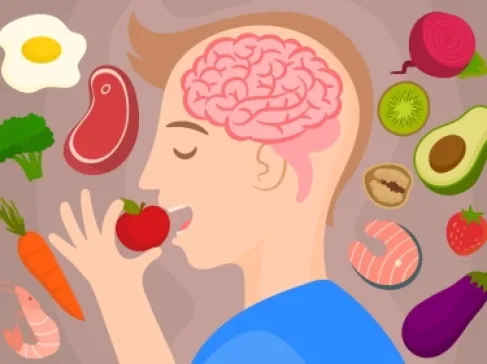
Usually, women over sixty can meet their iron needs through food, where the body absorbs iron from food more efficiently than it does from supplements.
Iron-rich foods include lean red meat, poultry, fish, beans, lentils, spinach, and fortified cereals.
And if you still need more, various types of iron supplements are available at pharmacies, including ferrous sulfate and ferrous gluconate. Although both are used to treat iron-deficiency anemia, ferrous sulfate is generally considered better because the body absorbs it better, says Dr. Salamon.
Salamon adds: “Ferrous sulfate has more side effects, but it offers much greater benefit, containing more iron, while ferrous gluconate is an available option if the side effects of ferrous sulfate, such as nausea, diarrhea, or constipation, are bothersome.”
Some studies suggest that it is better to take iron tablets every other day instead of daily to reduce side effects and improve iron absorption.
She also mentioned prescription iron solutions for people who suffer from severe side effects from dietary supplements.