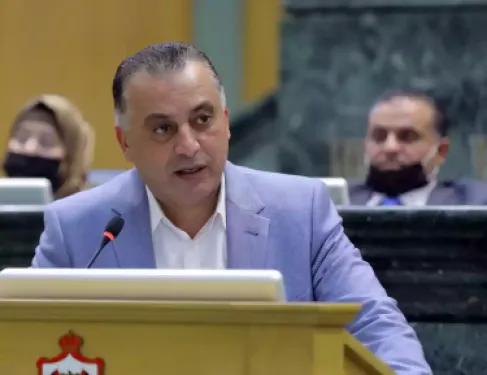
Khaberni - Ahmad Al-Homsiat, head of the Initiative Parliamentary Bloc, stated that developing the public sector is one of the foremost priorities in the work program of the Initiative party's bloc, given its role as a crucial foundation for building a renewed, competent, and fair government apparatus, capable of delivering effective services to citizens and enhancing trust in public institutions.
He spoke during a meeting he chaired for the bloc, attended by Dr. Khamees Atiyah, the First Deputy Speaker of the House of Representatives, on Wednesday, with the Minister of State for Public Sector Development Badriya Al-Bilbisi, to discuss the public sector modernization system and human resource management.
Al-Homsiat noted that this meeting is part of the legislative and supervisory role that the bloc undertakes, in line with its responsibility to support comprehensive modernization paths, in compliance with the royal directives, especially regarding speeding up the public sector modernization as a national priority.
He added that the bloc reviewed during the meeting a series of demands and complaints from citizens, particularly regarding recruitment systems, stock of old graduates, open advertisement conditions, and exam methodology, alongside issues of day laborers’ regularization and service purchasing.
The bloc also presented public sector employees' remarks concerning job stability and performance development, especially in the areas of promotions, adjusting job statuses according to academic qualification, compulsory promotion, mechanisms of moving between government departments, leave system, and performance evaluation management, in addition to the principles and criteria for appointing and evaluating senior leaderships.
Al-Homsiat pointed out that the bloc would hold a series of meetings to follow up on the outcomes of the meeting and track the results of administrative modernization plans, especially the work of independent bodies.
For his part, Atiyah affirmed the importance that government programs should directly reflect on the citizen, so that their impact is clear and tangible, particularly in improving the quality of provided services, thereby enhancing trust in government performance.
He explained that the Initiative Bloc is committed to exercising its supervisory role within mechanisms of cooperation between the legislative and executive powers by evaluating the governing legislations and verifying their alignment with the public interest and justice.
He also mentioned that human resources are a primary driver in developing the public sector and enhancing its performance, noting that any institutional modernization process cannot succeed without investing in qualifying and empowering human resources, emphasizing that the public sector modernization roadmap should consider principles of transparency and job justice.
On their part, members of the bloc emphasized the need to follow up on the observations and complaints related to the human resource management system and its implementation mechanisms, taking into account the cultural specificity of society, urging the government to ensure flexibility in balancing the requirements of development plans and touching the administrative reality, ensuring citizens' rights to justice and fairness.
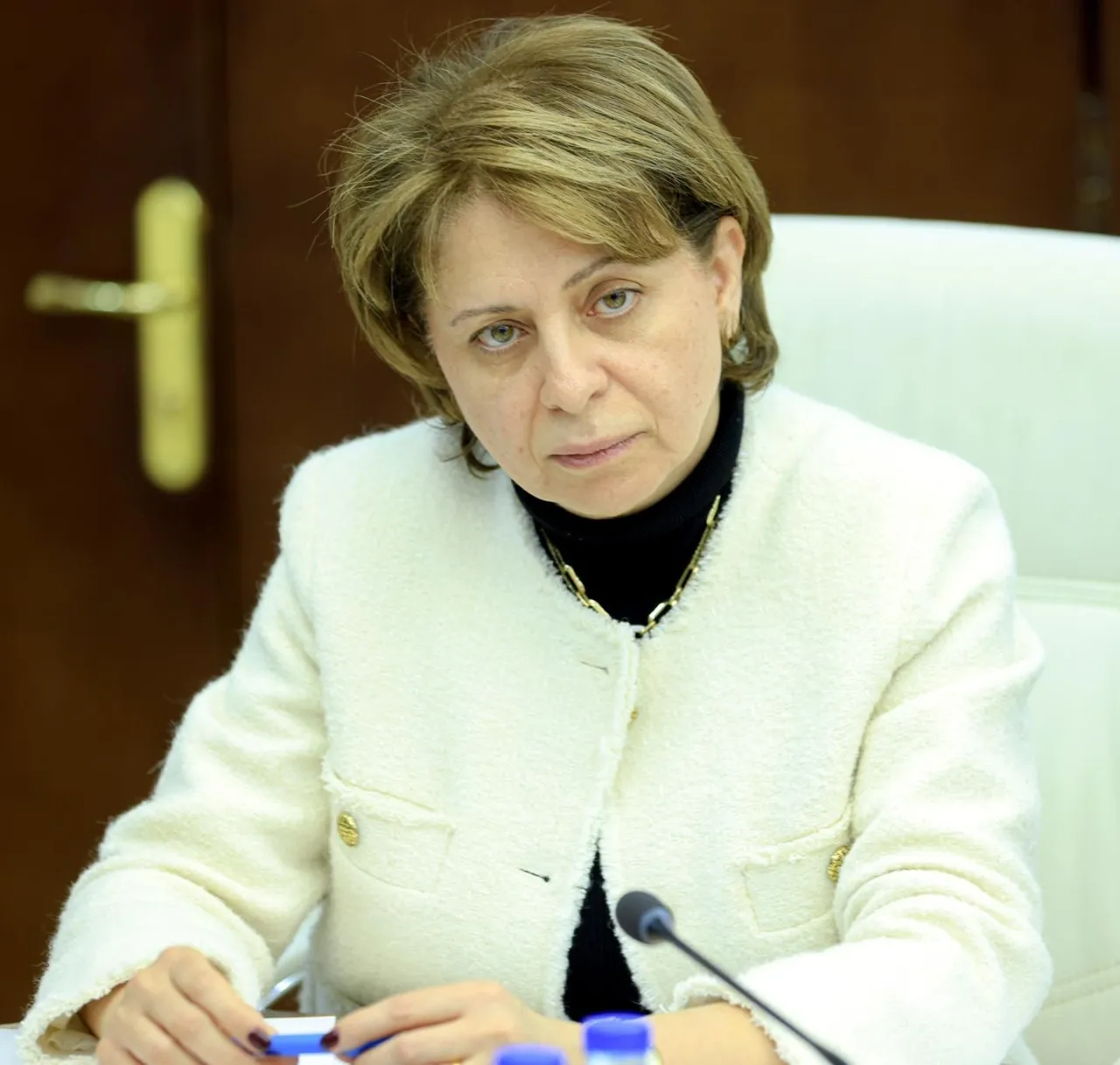
Meanwhile, Al-Bilbisi confirmed that the responsibility of implementing the public sector modernization roadmap is a shared one, where the minister manages the file and supervises its implementation, while the relevant ministries and institutions execute the projects and initiatives, ensuring a concerted effort to reach an enabled and effective public sector capable of providing the best services to citizens.
She pointed out that the second executive program for the public sector modernization roadmap (2026–2029), which will be launched in the upcoming period, will move from the foundational phase to field implementation, incorporating a suite of projects and initiatives aimed at improving the quality of public services.
Al-Bilbisi reviewed the major achievements of the first executive program, including the issuance of the public sector human resources management system and its corresponding instructions, the establishment of the Public Service and Management Authority, the issuance of a legislation and policy impact evaluation system, and the creation of a competency assessment center, which tested about 63,000 citizens this year, in addition to the training programs conducted by the Public Administration Institute, where 21,000 employees received training this year.
She also mentioned the launch of the "Opportunity" and "Advancement" programs for qualifying young government leaders and building the capacities of executive leaders, along with the establishment of 10 government service centers in the provinces during 2025, and efforts to complete an additional 6 centers before the end of the year, stating that the citizen satisfaction rate with the services provided by these centers exceeded 98 percent.