Khaberni - Vitamin E acts as a powerful antioxidant, protecting the body's cells from damage caused by molecules called free radicals. This role is vital for maintaining healthy skin, strong immunity, and proper eye function.
It also supports nerve function, helps prevent blood clotting, and enhances the body's utilization of Vitamin K.
According to "Free Well Health," the recommended daily dose of Vitamin E is 15 mg (or 22 international units) for most adults and pregnant women, and 19 mg (28 international units) for breastfeeding women, with varying doses for children depending on their age.
The maximum allowable limit for adults is 1,000 mg (1,500 international units from natural sources or 1,100 international units from supplements and fortified foods).
Vitamin Deficiency
A deficiency occurs due to conditions that impair fat absorption, such as Crohn's disease, cystic fibrosis, and liver diseases, or those resulting from genetic disorders like increased beta-lipoprotein levels in the blood.
Symptoms include muscle weakness, impaired motor coordination, vision problems, and numbness. Severe cases may lead to more serious issues like blindness, dementia, and heart rhythm disorders.
Natural Sources of the Vitamin
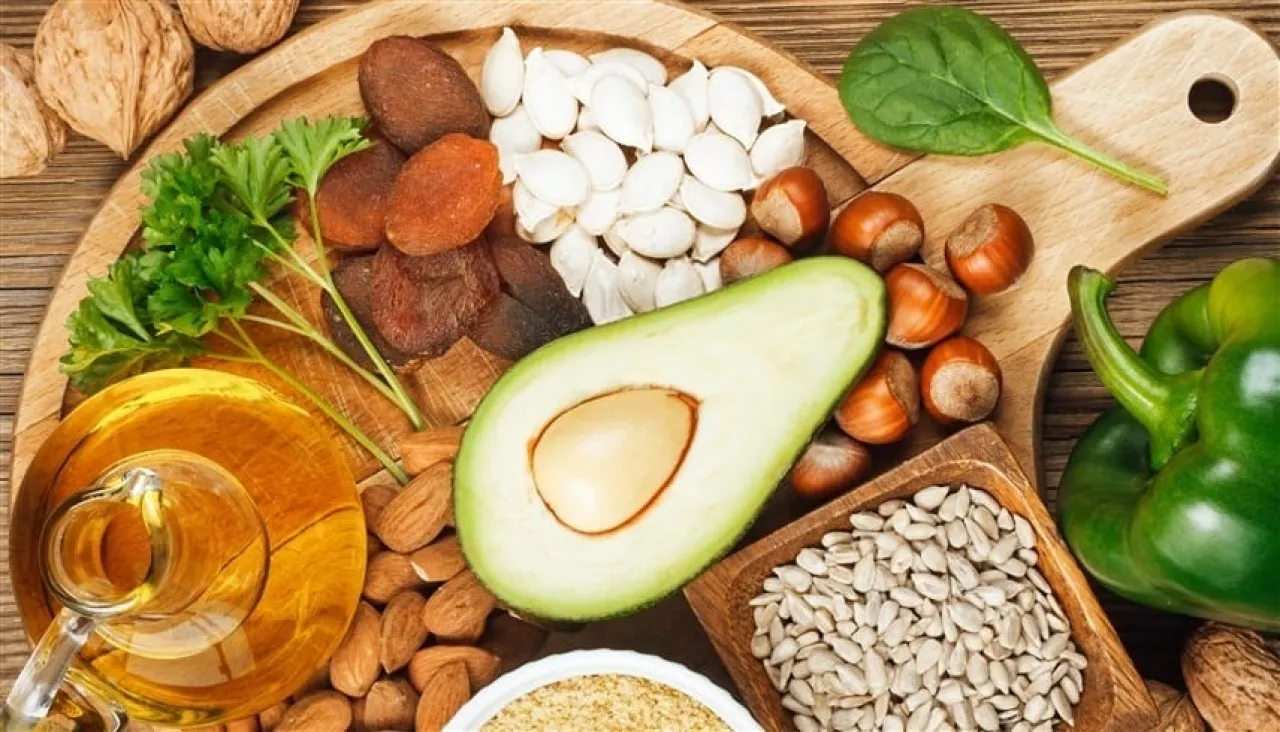
You can get Vitamin E from a variety of foods, with the richest sources being nuts, seeds, and oils derived from them.
1. Nuts
Almonds are renowned for being a rich source of Vitamin E, containing 6.8 mg per 28 grams, a higher proportion than most other foods.
Other nuts are also good sources of Vitamin E. This vitamin is better absorbed with fats, and since nuts contain fats, they are considered among the best sources of the vitamin.
2. Seeds
Sunflower seeds have a high Vitamin E content, followed by pumpkin seeds and also include quinoa.
3. Cooking Oils
Vitamin E is found in many types of cooking oils in abundant amounts.
Wheat germ oil is one of the richest oils in Vitamin E, with 20.3 mg per tablespoon. However, it is commonly used as a dietary supplement or applied topically rather than as a cooking oil.
4. Avocado
Avocado is a rich source of Vitamin E, providing between 4.53 and 6.12 mg of the vitamin per mashed cup.
5. Vegetables
Vegetables that provide a good amount of Vitamin E include broccoli, spinach, and sweet potatoes.
6. Fruits
You can get Vitamin E from fruits, including apricots, kiwis, and mangoes.