Khaberni - Jordan and Germany opined today (Saturday) that the international force slated to deploy in the Gaza Strip under the US President Donald Trump's plan for a ceasefire between Israel and «Hamas», must obtain a mandate from the United Nations Security Council, according to the «Agence France-Presse».
The US President's proposal led to a ceasefire in the sector starting October 10th. In a subsequent stage, Trump's 20-point plan stipulates the formation of a “temporary international stabilization force to be deployed immediately” in Gaza, to “provide training and support to approved Palestinian police forces” in the sector.
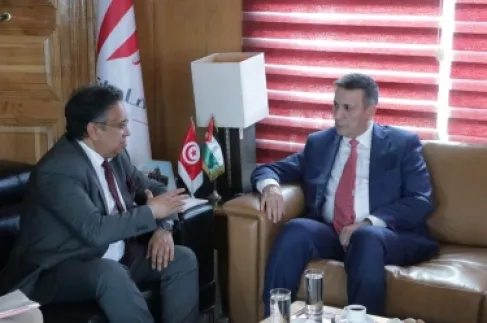
Jordan’s Foreign Minister Ayman Safadi said: “We all agree that for (the stabilization force) to be effective in performing its task, it and must obtain a mandate from the United Nations Security Council».
Safadi emphasized that Jordan will not send its troops to participate in this force, noting that Amman participates in a center established by the United States in southern Israel to monitor the implementation of the ceasefire agreement.
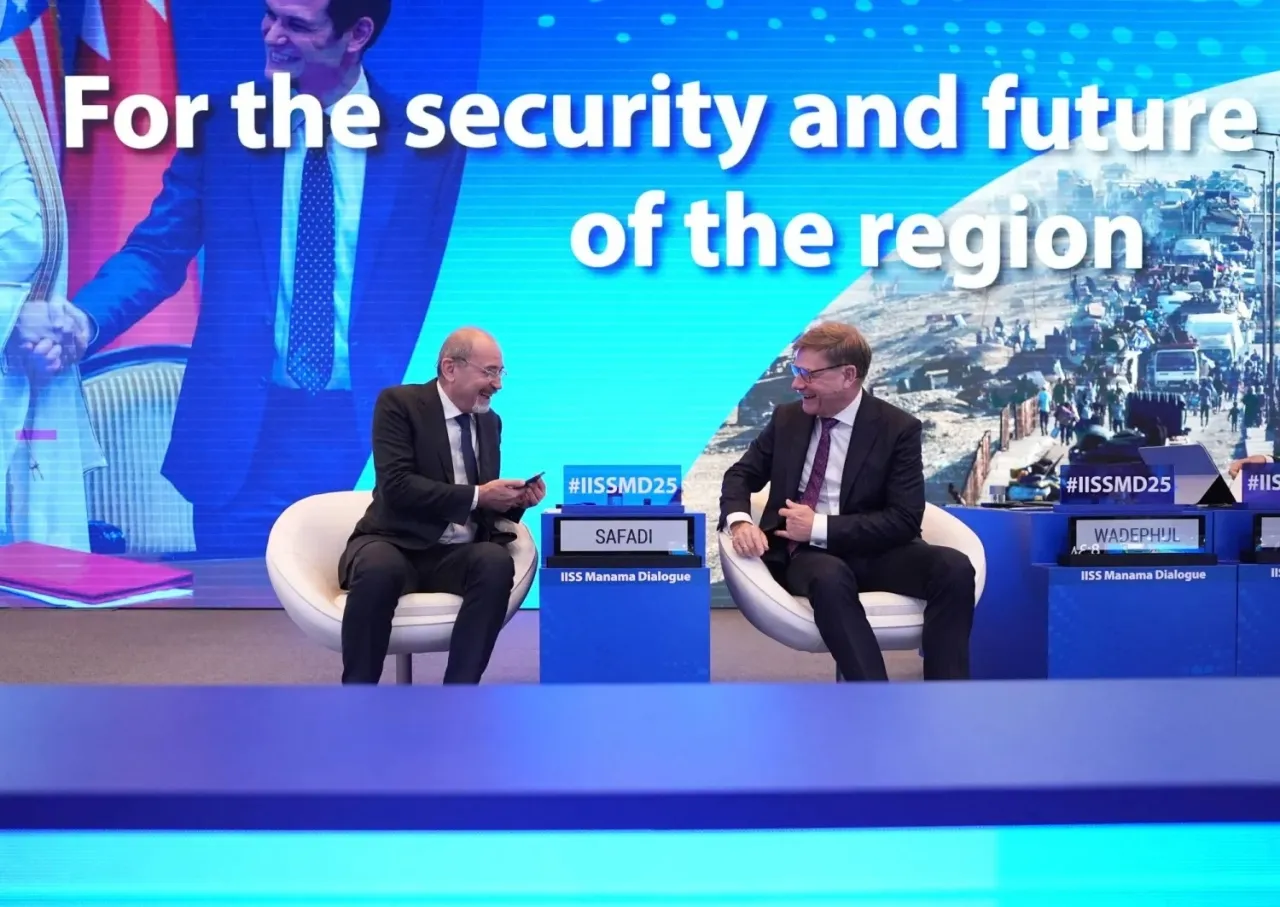
Safadi's statements were made during the «Manama Dialogue» forum in the Bahraini capital, alongside his German counterpart Johann Fadivul who also expressed Berlin’s support for granting the international force in Gaza a UN mandate.
Fadivul believed that the force will “need a clear support in international law”, acknowledging that this “is of great importance to the countries which may be willing to send forces to Gaza, and for the Palestinians. Germany also desires to see a clear mandate for this force».
Following a meeting in Cairo at the end of October, leading Palestinian factions including «Fatah» and «Hamas», emphasized the necessity of obtaining a UN resolution regarding the temporary international forces intended to be formed to monitor the ceasefire, although the plan to deploy an international force has faced some criticisms. Last month, UN experts warned that the force “will replace Israeli occupation with a US-led occupation, which contradicts the Palestinians' right to self-determination».
In some regions in the Middle East, such as southern Lebanon and the Syrian Golan, United Nations peacekeeping forces are deployed under resolutions issued by the United Nations Security Council.