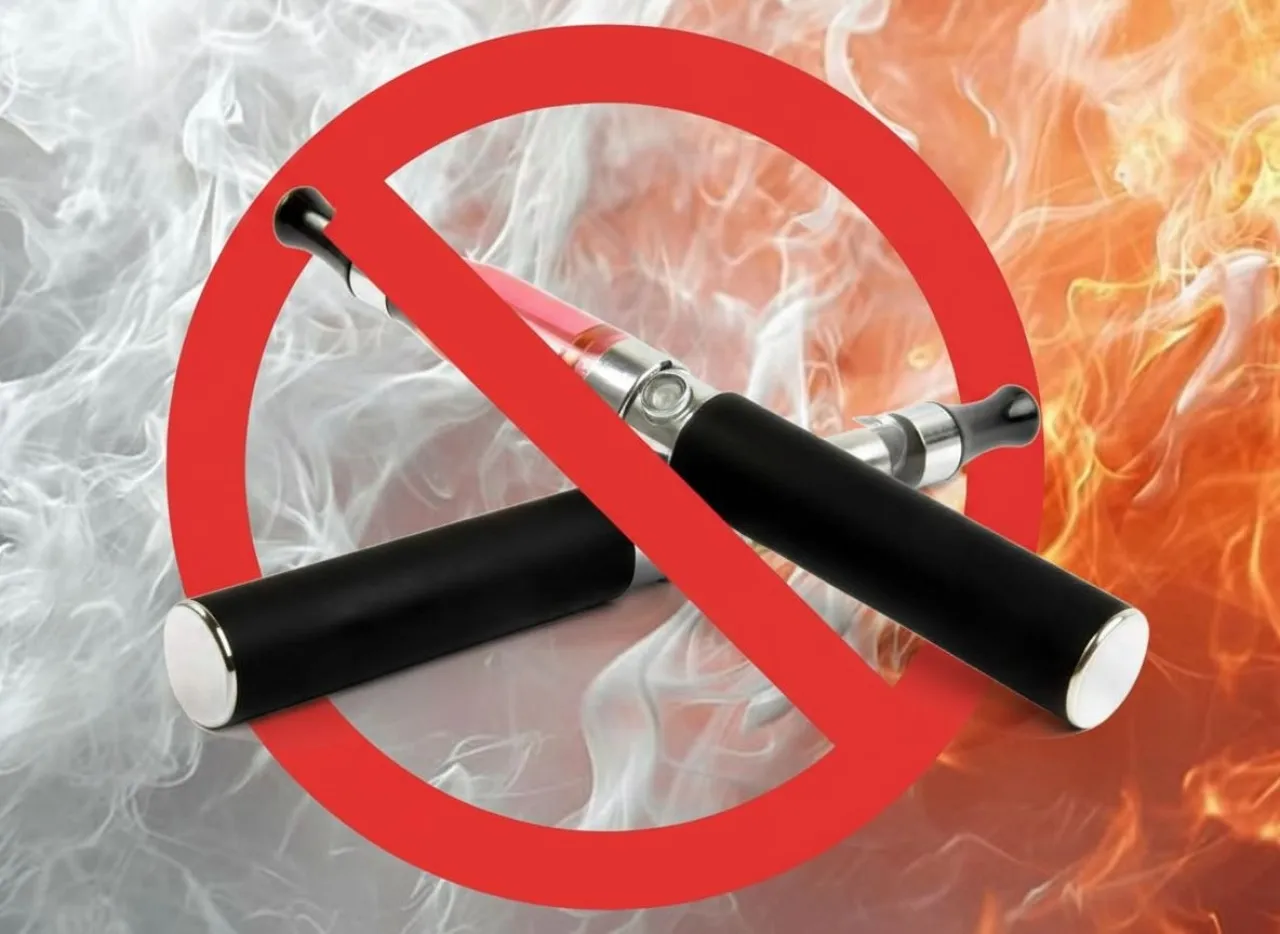
Khaberni - Scientists at the University of California, Riverside discovered that heating the main component of most electronic cigarette liquids can lead to the formation of two toxic chemicals that harm human lung cells.
These two substances—methylglyoxal and acetaldehyde—can form when liquids containing "propylene glycol" are heated.
Using lab-grown human airway tissues, the scientists exposed cells to realistic levels of each chemical and monitored their response. They found that both substances disrupted basic cell functions, but methylglyoxal caused more significant damage at much lower concentrations. It interfered with the mitochondria, which are structures responsible for generating energy within cells, and weakened the cellular structure of "actin," which maintains the shape and strength of cells.
Meanwhile, Professor Prue Talbot, the senior author of the study, said, "These changes are signs of stress and injury and could lead to long-term health problems if repeated during electronic smoking."
She added that acetaldehyde has been a focus of greater attention before, given its higher levels in the vapor of electronic cigarettes and it is a known component linked to lung diseases. However, Talbot emphasized that methylglyoxal might be more toxic, despite appearing in smaller quantities.
Man Wong, a graduate student and the main author of the study, mentioned that lower power electronic cigarette devices, which are believed to be safer, might produce higher levels of methylglyoxal.
He added, "Since almost all electronic cigarettes use propylene glycol, understanding how these by-products are formed and their impact on cells is crucial for assessing long-term health risks."
The study also showed that short-term exposure to these chemicals could alter cellular pathways related to energy production, DNA repair, and structural integrity of cells. Wong said, "Our work helps to explain how chemicals associated with electronic smoking contribute to lung injuries, and we hope this research will guide future studies and safety evaluations of electronic cigarette products."