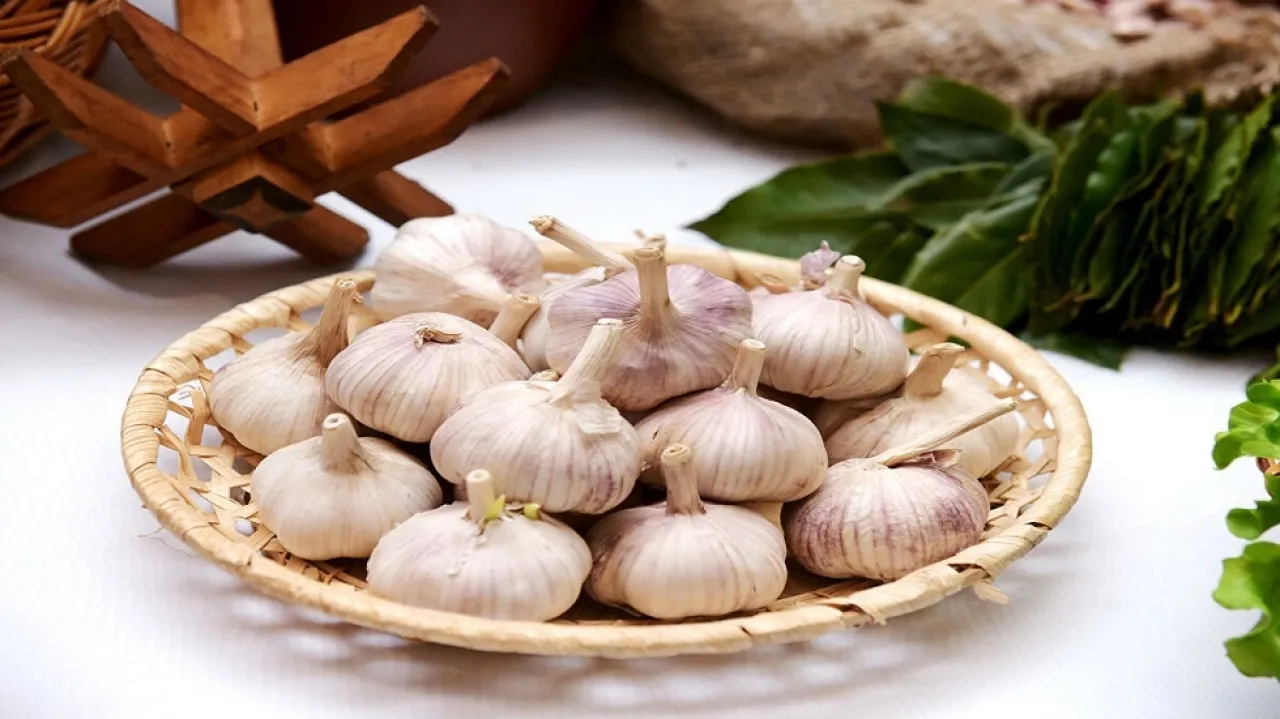
Recent scientific studies have shown that garlic may not be limited to its culinary or traditional uses, but may extend to being an effective means in fighting harmful bacteria in the mouth.
New results have shown that garlic extract may be as effective as chlorhexidine, which is the most commonly used standard in mouthwashes, with potentially fewer side effects.
According to a scientific review led by a research team from the University of Sharjah, data from five previous studies were analyzed, comparing the effect of mouthwashes based on garlic extract and those containing chlorhexidine in humans.
The results, according to the "Herbal Medicine" journal, indicated that the mouthwash based on garlic was as effective as chlorhexidine in reducing the numbers of harmful bacteria in the mouth, especially Streptococcus mutans, which is one of the main causes of tooth decay.
The researchers pointed out that chlorhexidine is widely used as the "gold standard" in this field, but it is associated with known side effects and growing concerns related to antibiotic microbial resistance.
According to the study, garlic extract could potentially be an alternative, especially when used in high concentrations.
The review indicated that the concentration of the substance plays a crucial role in effectiveness, with a 0.2% chlorhexidine solution outperforming a 2.5% garlic mouthwash in reducing some types of bacteria, yet increasing the concentration of garlic extract to 3% made it more effective.
Despite these positive results, researchers cautioned that mouthwash with garlic is not free from side effects, most notably its strong taste and potent smell, in addition to sensations of heat or burning inside the mouth.
Although these effects are considered milder compared to the side effects of chlorhexidine like teeth staining, they may impact user acceptance of this type of mouthwash.
Concerns related to chlorhexidine, according to previous studies, include that repeated or prolonged exposure might contribute to the development of bacterial resistance, not only to the substance itself, but also to some other antibiotics.
Garlic is one of the oldest known natural remedies, used for thousands of years in various civilizations including Egyptian, Roman, and Chinese, due to its antimicrobial properties.
This is primarily due to the compound allicin, which forms when garlic is cut or crushed; it works to inhibit the growth of bacteria and reduce cellular stress, besides giving it its distinctive smell.
Researchers believe that these properties may open the door in the future to developing a natural antibacterial mouthwash that contributes to reducing tooth decay and improving oral health.