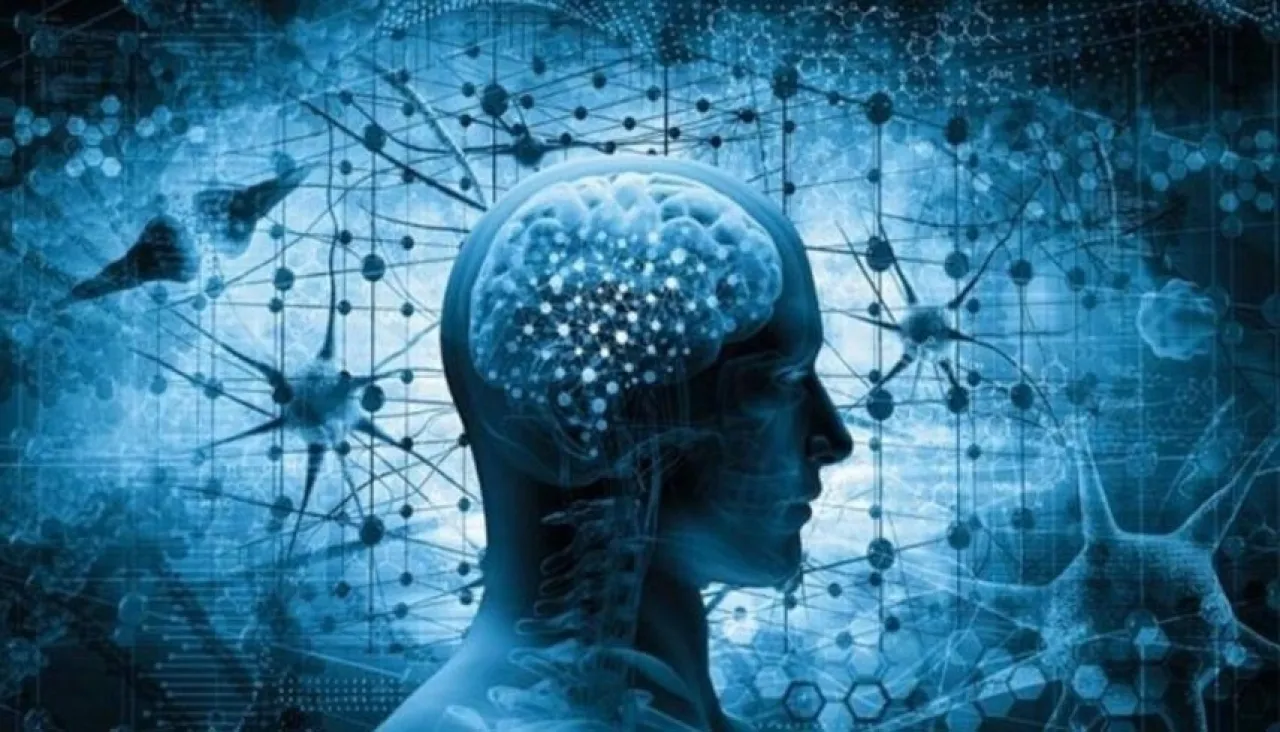
Khaberni - A team of American scientists has discovered what they described as the "hidden sixth sense" in the human body, a discovery that may change our understanding of the nature of sensation and brain functions.
The researchers explained that this new sense, scientifically known as "Interoception," enables the brain to monitor and adjust the functions of internal organs continuously to maintain the body's balance and health.
Scientists from the Scripps Research Institute in the United States said that this complex process allows the nervous system to receive signals coming from vital organs such as the heart, lungs, stomach, and kidneys, so the brain knows when to breathe, how to deal with a drop in blood pressure, or even when the body is facing an infection that requires activating the immune system.
According to the British "Daily Mail," the research team recently received a grant of $14.2 million from the National Institutes of Health (NIH) to explore this mysterious sense, a step aimed at creating "the first complete anatomical map" of the neural pathways between the internal organs and the brain.
Professor Shin Jin, who leads part of the project, pointed out that "Interoception forms the basis for nearly all aspects of health, yet it still represents an unexplored area in neuroscience," and emphasized that the goal of the project is to "understand how the brain maintains body balance, how this balance is disrupted in disease states, and how it can be restored."
The idea of "Interoception" dates back to the early 20th century, proposed by British neuroscientist Charles Sherrington, but it remained marginalized for decades before returning to the scientific spotlight in recent years, with discoveries linking it closely to a number of physical and mental illnesses.
While the traditional five senses; sight, smell, hearing, taste, and touch, rely on specialized external organs like the eyes, nose, and skin, the new sixth sense operates internally, through a complex network of nerves that extend in the tissues and internal organs without clear boundaries, making its study extremely challenging.
Recent studies clarify that disturbance of this internal neural network is associated with several diseases, including chronic autoimmune disorders, nerve pain, high blood pressure, as well as mental health disorders such as depression, anxiety, and eating disorders, where dysfunction in Interoception affects decision-making, the feeling of emotions, and the ability to interact socially.
The scientists hope that the new project will contribute to drawing a comprehensive "atlas" of the internal sensory system, which may open the door to developing new treatments targeting the rebalancing of signals between the brain and internal organs, and giving doctors a deeper understanding of the mind-body connection.
In their statement, the researchers said, "By mapping this internal sensory system, we will lay the foundation for understanding the way the brain maintains body balance, and how this balance can be restored in disease states."