Khaberni - The impact of the war in Iran is shifting from an energy shock to a direct threat to food security, with warnings of losing up to 10 billion meals weekly due to the disruption of fertilizer supplies, according to the British Broadcasting Corporation "BBC".
Svein Tore Holsether, CEO of "Yara", said that the disruption of shipments through the Strait of Hormuz has reduced global fertilizer production by about 500,000 tons of nitrogen fertilizers, adding: "This could mean the loss of up to 10 billion meals weekly.".
Hormuz Pressures Food
These developments come in the context of a war that has been ongoing for about two months, which initially led to the closure of the Strait of Hormuz, through which about 20% of the world's oil and gas, as well as a major part of the fertilizer trade, passes, according to various estimates.
According to data referred to by international reports, the Arab Gulf states were exporting about 45 million tons of fertilizers annually, including about 30 million tons of urea, with nearly 40% of the nitrogen fertilizer trade carried by sea passing through the strait, which makes any disruption have a direct impact on agricultural production.
The stoppage of supplies from the region, alongside the disruption of Iran's production, which is one of the major exporters of urea, has led to a rapid increase in fertilizer prices, which has reflected on global agricultural costs.
Decline in Production and Widespread Risks
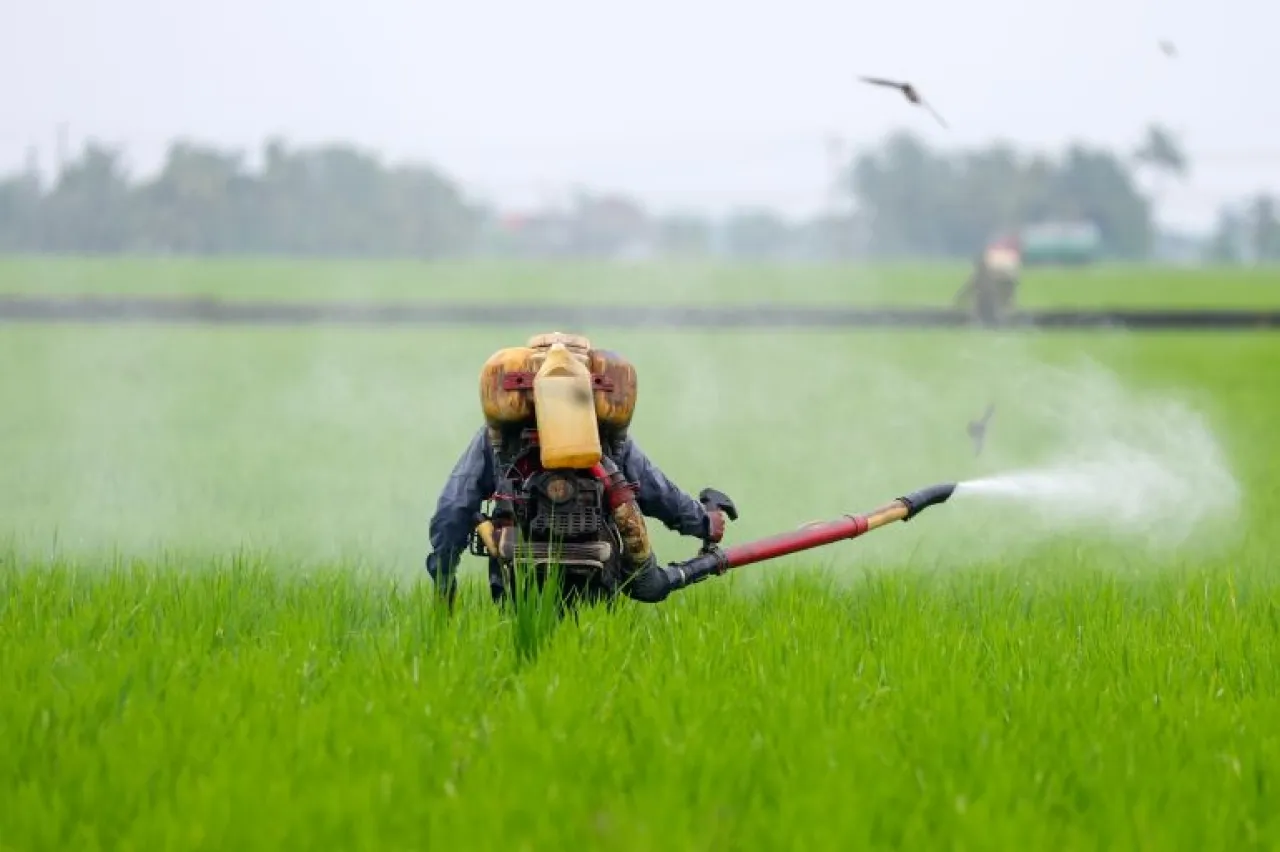
Holsether, according to "BBC", warned that the decrease in fertilizer use could reduce the productivity of some crops by up to 50% within a single season, especially in Asia, Africa, and Latin America, where there is a greater reliance on imports.
He noted that the persistence of the crisis could lead to "fierce competition for food" among countries, with a greater impact on the most vulnerable groups.
According to estimates by the World Food Programme, the consequences of the war could push an additional 45 million people into acute hunger by 2026, at a time when markets are trending towards a delayed food inflation wave that could appear with the harvest seasons in the fall.
A Delayed but Deep Impact
Analysts, reported by Al Jazeera, affirm that the impact of the fertilizer shortage will not be immediate, but will emerge with the decline in agricultural production in the coming seasons, which means that the crisis gradually shifts from energy to food.
In the light of this reality, importers of fertilizers are looking for alternatives, the most prominent of which is Russia, which represents about 20-25% of global fertilizer exports, but is unable to completely bridge the gap, keeping the risks of shortage in place over the coming months.
Thus, the markets are moving towards a new phase of the crisis, where the impact of the war extends not only to oil prices but also to food, with an increasing interconnection between energy, agriculture, and global inflation.