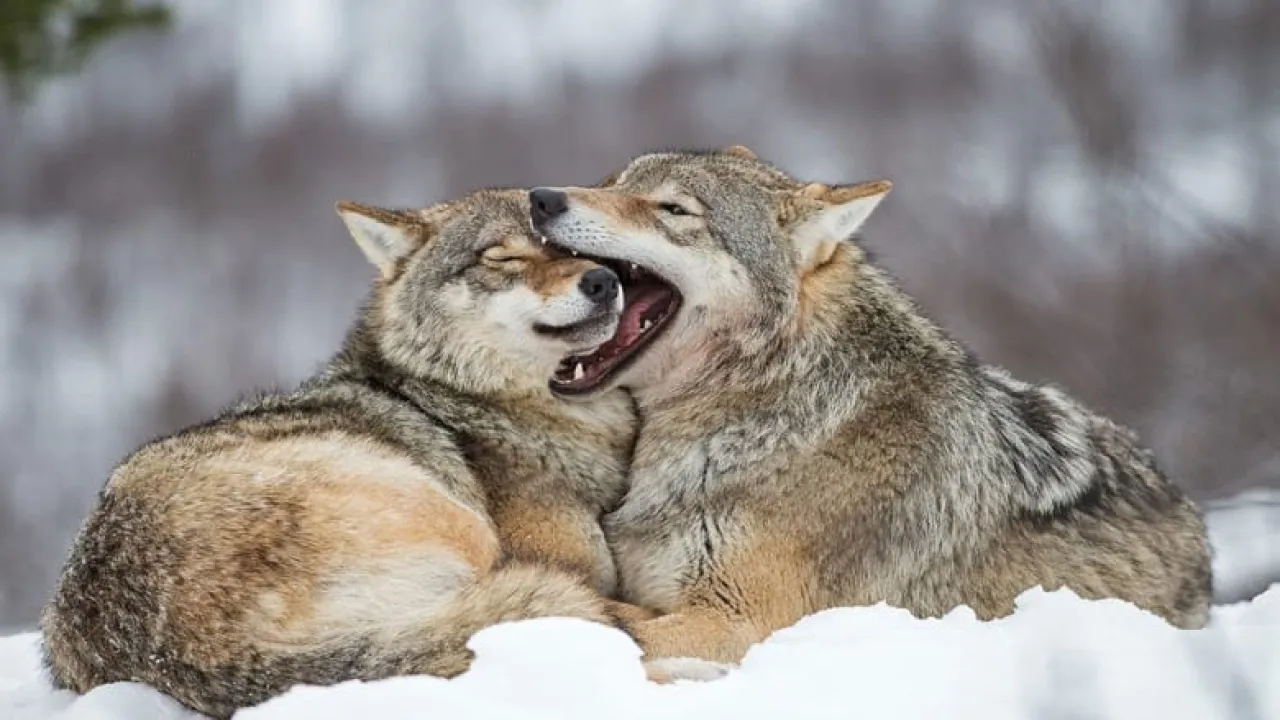
Khaberni - On the 40th anniversary of the Chernobyl nuclear reactor disaster (April 26, 1986), a recent genetic study revealed astonishing results regarding the gray wolves living in the Ukrainian exclusion zone.
While humans abandoned the area due to deadly radiation, the wolf population thrived, becoming seven times denser compared to non-contaminated areas.
Genetic mutations for radiation resistance
Researchers Kara Love and Shane Campbell-Staton from Princeton University led a research team that entered the exclusion zone to collect blood samples from these wolves. By comparing their genes with wolves from Belarus and the United States, the scientists found 3180 genes that function differently in Chernobyl wolves.
The most exciting discovery was 23 cancer-related genes showing unusual activity; it turned out that these genes are associated with better survival rates against tumors in mammals.
The study suggests that continued radiation exposure across multiple generations has prompted these wolves to develop "genetic flexibility," allowing them to live and perform their vital functions despite the radiation burden, either by reducing the chances of cancer or by improving their ability to resist it and survive.
New hope for cancer treatment in humans
This study's importance extends beyond the animal kingdom; researchers have already begun collaborating with biologists and cancer treatment companies to analyze these genetic data. The goal is to determine if these "therapeutic targets" discovered in wolves can be translated into innovative treatments for humans.
The scientists say these results demonstrate how the "exclusion zone" has transformed from a death spot into a unique natural laboratory, where wildlife has adapted to harsh environmental conditions, offering lessons to humanity on how to confront intractable diseases from the heart of the nuclear disaster.