Khaberni - The World Health Organization reported registering more than 17,000 cases among Palestinian displaced persons in Gaza linked to rodents and external parasites since the beginning of the year, amid deteriorating health and humanitarian conditions due to the effects of the Israeli genocide.
The organization stated in a statement on Friday that the "desperate and dangerous" conditions in Gaza continue to hinder recovery efforts, noting an increase in infection rates among families, at a time when the health sector lacks the necessary supplies and medical tools for response.
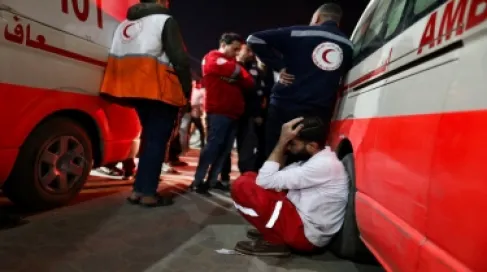
The organization estimated the damage to the health sector at about 1.4 billion dollars, noting that more than 1800 health facilities were partially or completely destroyed, including major hospitals like Al-Shifa Hospital, as well as primary care centers, clinics, pharmacies and laboratories.
Despite the ceasefire agreement coming into effect on October 10, 2025, two years after the genocide war, the living and health conditions of about 2.4 million Palestinians remain deteriorated, including 1.4 million displaced, due to Israel's renunciation of its commitments and the continued restrictions on the entry of food, relief, medical supplies, and shelter materials.
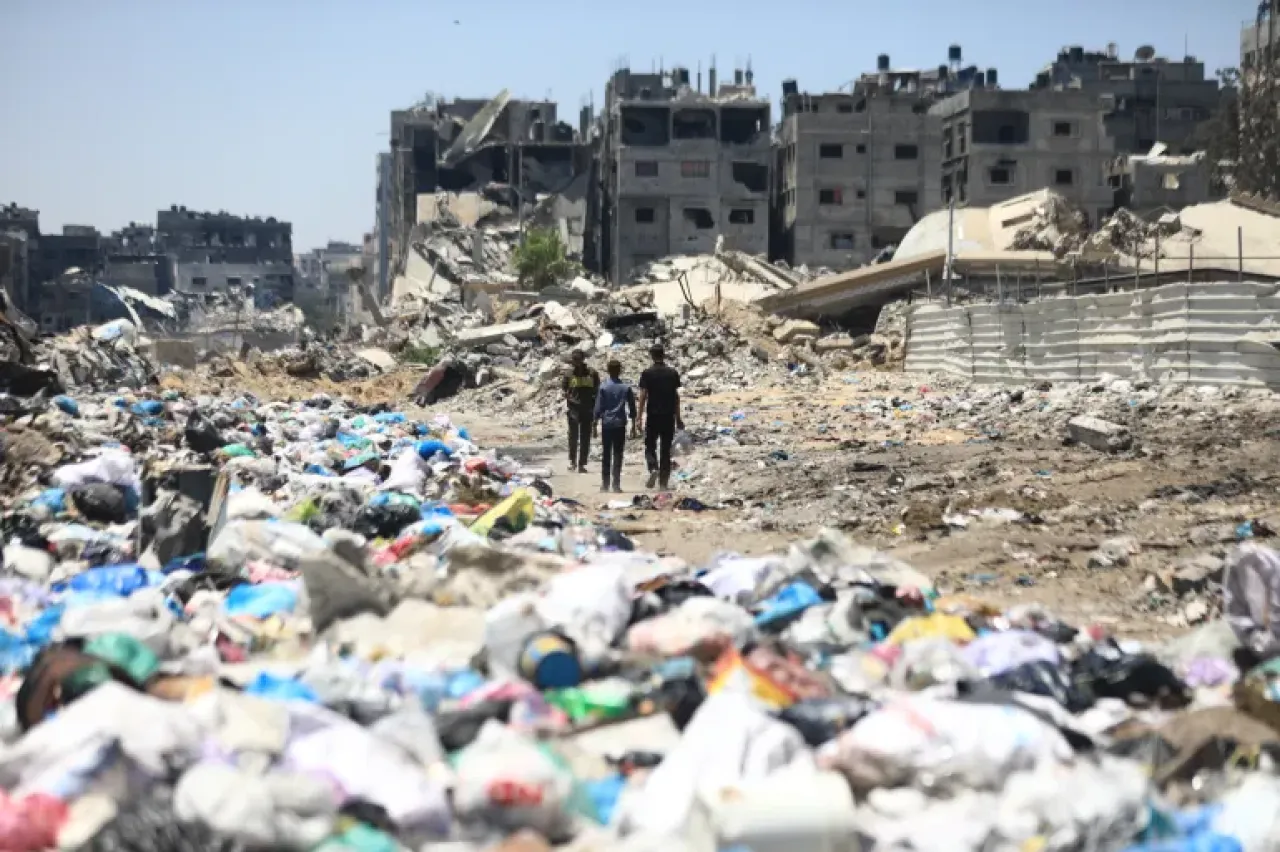
The organization quoted its representative in the occupied Palestinian territory, Reinhold van de Werdt, as saying that "reading reports and numbers is not enough, standing in the street among heaps of rubble several meters high provides a completely different picture of the extent of the destruction."
The humanitarian organization pointed out that more than 80% of displacement sites reported skin infections such as scabies, lice, and bed bugs, due to the deterioration of living conditions, and recorded more than 17,000 cases linked to rodents and parasites among the displaced since the beginning of this year.
The organization emphasized the need to introduce laboratory equipment and supplies to understand the nature of widespread diseases, noting that imposed restrictions hinder this, and called for the protection of health sector workers and the allowance of entry for medicines and essential supplies.
Danger of unexploded ordnance
In related context, the head of the United Nations Department for Mine Action in the occupied Palestinian territory, Julius Dirk van der Walt, warned of the dangers of unexploded ordnance scattered among the rubble, stating that it hinders the return of residents and impedes recovery efforts.
He explained that the high population density in Gaza poses an additional challenge for mine-clearing operations, noting that dealing with these munitions represents a daily emergency situation, requiring funding estimated at $541 million, in addition to providing permits and access to the necessary equipment.
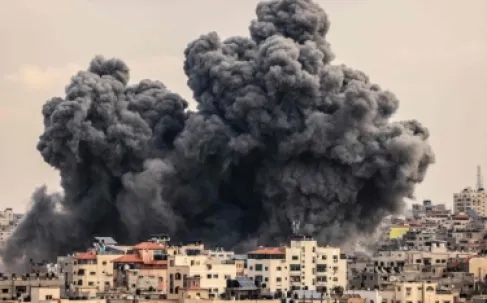
Since the outbreak of the genocide, the Israeli military has bombarded the Gaza Strip with more than 200,000 tons of explosives, including internationally banned bombs weighing 2000 pounds, according to the latest statistics from the Government Media Office in Gaza.