Khaberni - In a notable development, the US authorities have allowed former Venezuelan President Nicolas Maduro and his wife Celia Flores to use Venezuelan funds to cover their legal defense costs in the drug trafficking case pending in a New York court.
According to a report by "Bloomberg" today, Saturday, the decision came after Washington retracted its previous position that prevented the couple from accessing these funds.
The United States had imposed strict restrictions on the use of Venezuelan assets, within the framework of sanctions imposed on Caracas for years, which reflected on the course of the trial, as Maduro and his wife considered that preventing them from funding their defense represents a violation of their right to a fair trial, and they requested the dismissal of the charges.
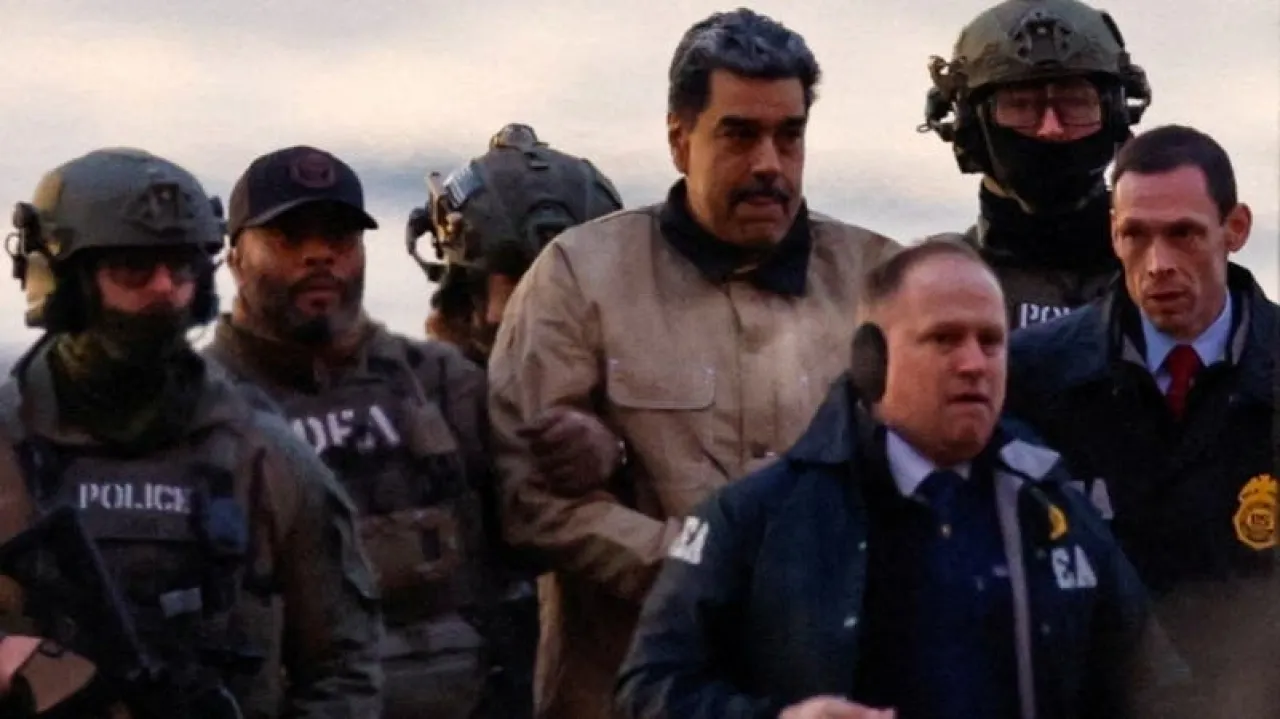
The case dates back to early January last year when US forces arrested Maduro and his wife following a raid in the capital, Caracas, before transferring them to the United States. Since then, funding for the defense has been a major point of disagreement between the prosecution and the defense team.
During a hearing in March last year, Federal Judge Alvin Hellerstein raised questions about the prosecution's stance, pointing out a contradiction in US policy, especially with the continuation of some forms of commercial dealings with Venezuela. He also noted that the defendants were no longer on Venezuelan territory, which weakens the justification for preventing them from using those funds.
In a decisive step, the Attorney General for the Manhattan area, Jay Clayton, informed the court that the Office of Foreign Assets Control (OFAC) issued modified licenses allowing the use of Venezuelan funds to cover defense expenses.
This decision removed one of the major obstacles that hindered the progress of the case, prompting the defense team to withdraw their request to drop the charges, paving the way for the resumption of the trial in the coming period.
This case reflects the complexities of the overlap between politics and law, especially in light of the strained relations between Washington and Caracas. For years, the United States has imposed economic sanctions on Venezuela, mainly targeting the oil sector and state assets abroad, to pressure the political regime, but on the other hand, legal considerations related to defendants' rights emerge, including ensuring a fair trial, which encompasses the ability to fund legal defense.
This decision may set a precedent in dealing with similar cases, as the US authorities balance between implementing sanctions and ensuring legal rights, and it may open the door to a broader discussion on how to manage frozen assets in politically-charged criminal cases.
Although allowing the use of Venezuelan funds does not change the essence of the accusations, it represents an important procedural shift that returns the case to its natural judicial course. With this obstacle removed, attention turns to the upcoming trial proceedings, which may carry political and legal dimensions that exceed the limits of the case itself, in light of the ongoing tension between the United States and Venezuela.