Khaberni - The British government plans to announce next month legislation aimed at rapprochement with the European Union, amid the deterioration of the so-called special relationship between the United Kingdom and the United States due to the war on Iran.
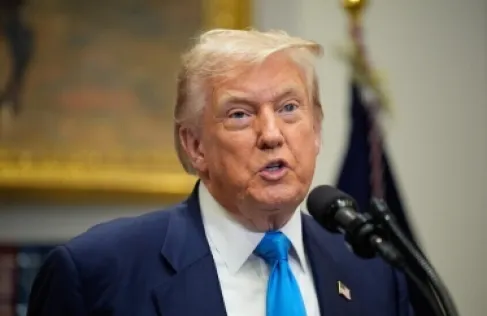
Prime Minister Keir Starmer's efforts are gaining momentum in the face of unpredictable actions by President Donald Trump and the stream of insults he directs at the United States' historical ally.
The Starmer government is preparing a "reset" bill that will give ministers the power to align UK standards with the evolving rules of the EU single market, a process called "active alignment."
A government official told Agence France-Presse - requesting anonymity - that King Charles III will announce the legislation on May 13 when he reads Starmer's legislative plans for the coming months.
Starmer has repeatedly called for a deeper economic and security relationship with Europe since his Labour Party's victory in the 2024 elections, ousting the Conservative Party that organized the Brexit referendum in 2016.
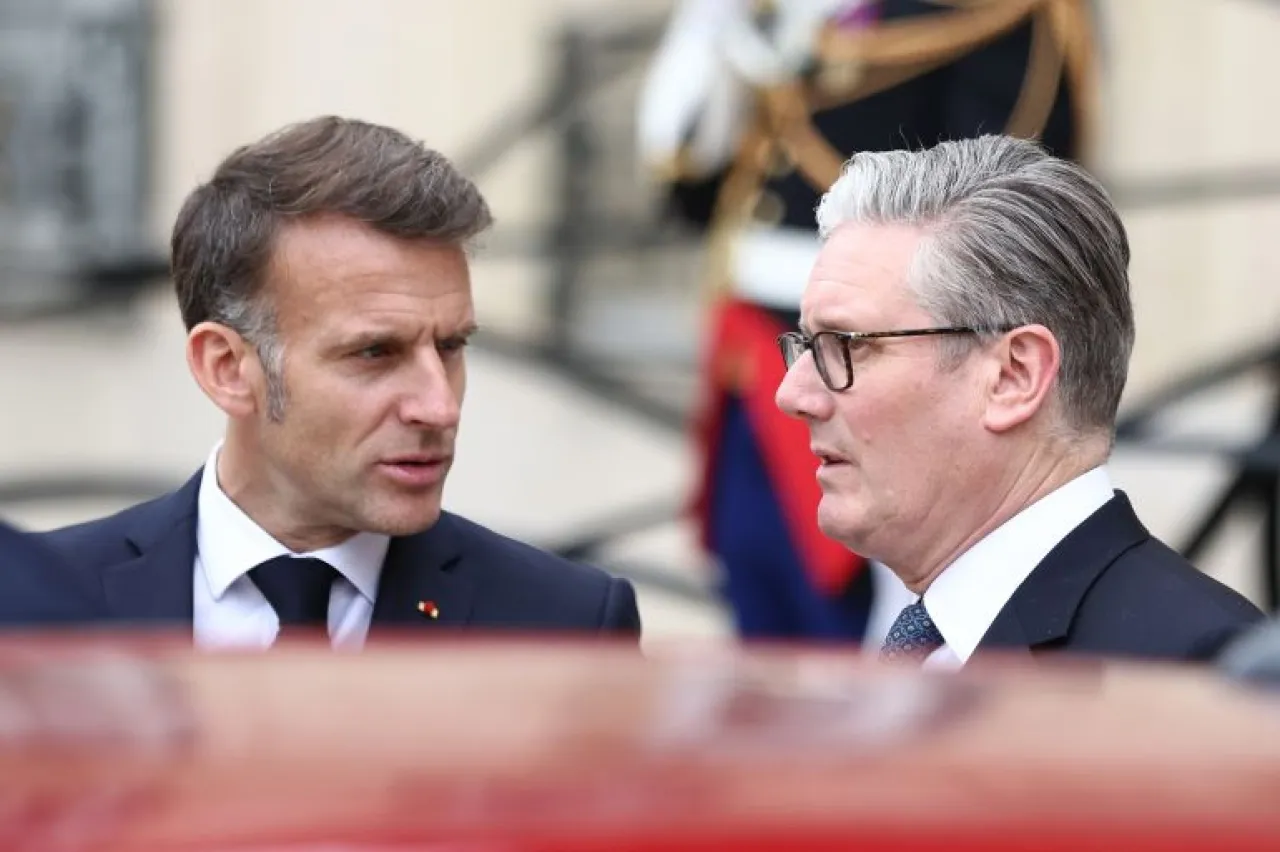
Recently, Prime Minister intensified his calls, telling Dutch leader Rob Jetten last Tuesday that he "believes that the partnership between the United Kingdom and the European Union is necessary to prepare for the challenges we face today."
The European Union is Britain's largest trading partner, and the International Monetary Fund warned this week that the UK would be the developed economy most damaged by the American-Israeli war on Iran.
The British official said "Iran definitely made the matter (reset) more important for the future." He added, "We need to build economic resilience across the continent."
Starmer refused to engage Britain in the initial strikes that the United States and Israel launched on February 28, angering Trump, although London subsequently allowed US forces to use British bases "for a limited defensive purpose."
A few days ago, Trump - in a phone interview with Sky News - threatened to cancel a trade agreement between the United States and the United Kingdom that had limited the impact of new tariffs on Britain.
David Henig, a British trade policy expert after Brexit, told Agence France-Presse: "There is no doubt now momentum in the relationship between the United Kingdom and the European Union, partly due to Trump's unreliable behavior."
He adds: "Formulating an independent UK trade policy looks more challenging, while the prospects of working with the European Union look brighter."
Regretting Brexit
The Starmer government hopes to introduce legislation on rapprochement with the European Union in the coming months, which means it may be issued close to the tenth anniversary of the Brexit referendum held in June 2016.
Parliament members will consider approving giving the government a mechanism to adopt EU rules, sometimes without a full parliamentary vote, in areas covered by existing agreements with the 27-country bloc.
One of the agreements aims to simplify bureaucratic procedures related to exports of food and plants, while plans exist for an agreement that would integrate the United Kingdom into the EU internal electricity market.
Britain and the European Union are also looking to finalize negotiations on a program about youth mobility in time for a joint summit in Brussels at the end of June or early July.
In contrast, Starmer rules out rejoining the single market or returning to free movement.
A Controversial Issue
At the same time, the Liberal Democrats (the third party in Britain) demand the Prime Minister to transcend one of his other red lines by negotiating a customs union with the European bloc.
Callum Miller, spokesman for foreign affairs for the Liberal Democratic Party, told Agence France-Presse: "We must double our efforts in relations with trusted partners who share our interests and values."
But Brexit remains a contentious issue, as the right-wing Reform UK party – which leads the polls and is led by Nigel Farage – described the legislation as a "betrayal" of the referendum's result.
However, the polls regularly show that most Britons regret voting to leave the European Union, something Starmer hopes to capitalize on.
The reasons for rapprochement with the European Union also include rising living cost pressures on families, something that British Finance Minister Rachel Reeves attributed to Trump who started the war on Iran "without a clear plan to end it."
Effie Aspinall, director of "British Foreign Policy Group," says: "When the relationship with the United States fractures, it is reflected in a decline in opposition to a closer relationship with the European Union among the general public."