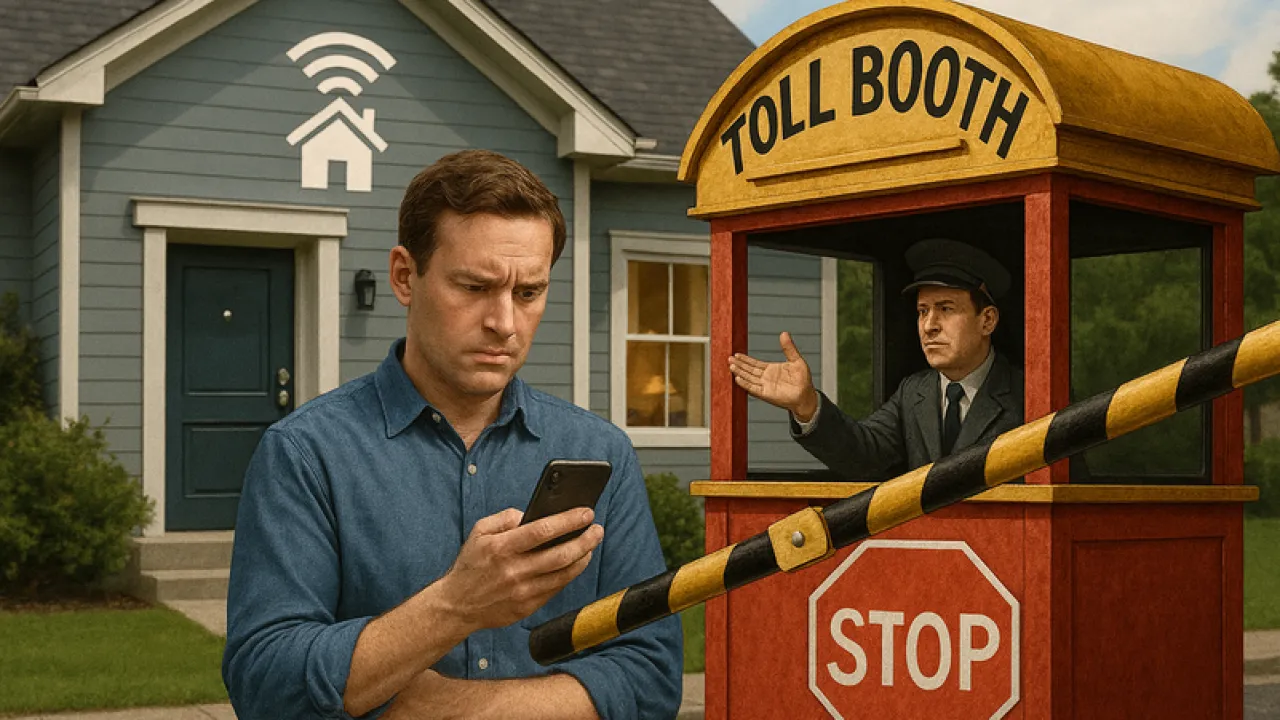
Khaberni - Owning smart devices is no longer as it used to be. After buying a product used to mean gaining access to all its features, the smart home world is now leaning towards a new model that imposes additional subscription fees on users to activate essential features, a shift that raises broad questions about the meaning of ownership in the digital age.
From buying a product to renting it
In the past, buying a computer or a home appliance meant owning all its capabilities.
Today, however, the subscription model - which was limited to content like movies and music - has extended to the devices themselves, according to a report published by "digitaltrends".
Products like smart displays, speakers, and even fitness devices now come with limited capabilities, while full features are locked behind monthly subscriptions including cloud storage, remote control, or artificial intelligence tools.
Incidents reveal the fragility of the model
One of the most notable examples that stirred controversy was the malfunction of a smart bed's functions due to the outage of "Amazon Web Services," revealing a significant reliance of these devices on the cloud infrastructure, even in performing basic functions.
User interfaces.. the new gatekeeper
The competition in the smart home market no longer revolves only around devices, but has shifted to the software layer that controls what the user sees first, what is promoted, and what is ignored.
Major companies like “Google,” "Amazon," "Apple," and “Samsung” now dominate these interfaces, whether through smart TV systems or voice assistants, giving them a significant ability to direct users toward their services.
Numbers reflect the extent of control
Recent data indicate that 61% of internet-connected households in the United States rely on smart TVs as their main streaming platform.
Platforms like Roku have crossed the 90 million homes mark, while devices with Google TV and Android TV have reached around 270 million active users monthly.
Hidden weapon
Companies market these systems under the banner of convenience and simplicity, but this ease can become an indirect means of guiding the user.
The easiest option is often linked to paid services or additional subscriptions, while the alternatives appear less smooth, gradually pushing the user towards the system that generates larger profits for the company.
Return of the cable model in a new guise
This shift is very similar to the paid television (Cable) model, which succeeded in the past not because of the devices, but because it controlled the way to access content.
Today, the smart home reproduces the same idea, but with more stylish devices and smarter interfaces, where companies control what the user sees and what they pay for.
Do we pay twice?
While charging fees for cloud services or software is understandable, the debate intensifies concerning asking users to pay additional subscriptions to unlock features in devices that have already been purchased.
As companies continue to push towards this model, users find themselves in front of a new equation: smarter devices, but with less ownership, and ongoing costs that do not stop at the moment of purchase.