Khaberni - Gold and silver prices increased following the announcement of a two-week truce between the United States and Iran, clearly reflecting the pressures that precious metals faced in recent weeks.
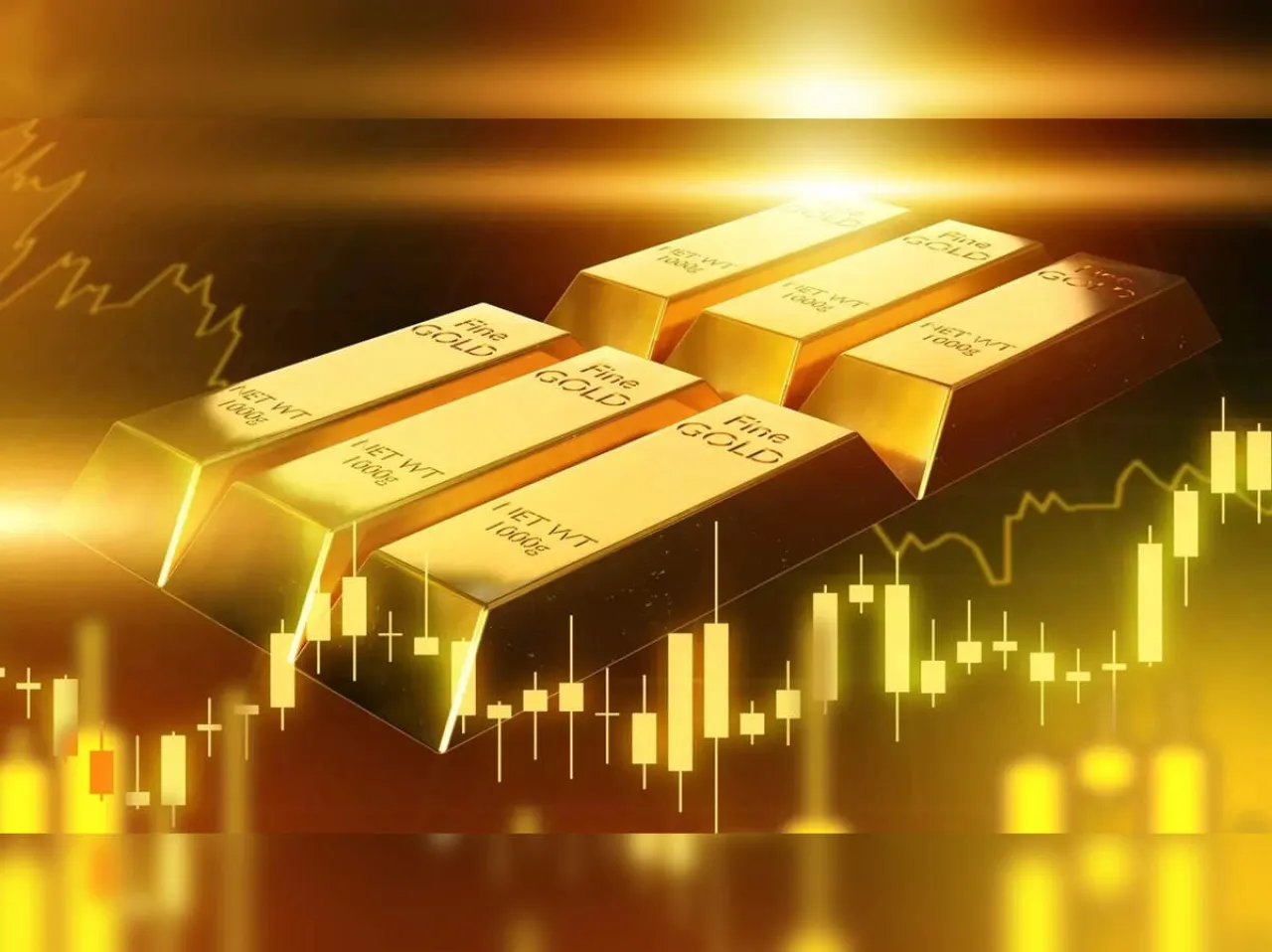
The spot gold price climbed above $4850 per ounce during trading, before paring some of its gains to below $4750, while silver also jumped to more than $77 per ounce before stabilizing at $75, benefiting from the dollar's decline and the fall in oil prices below $100 per barrel, which has reinvigorated bets on interest rate cuts in the United States.
This move reflects a significant shift in how the market prices precious metals; war is no longer the sole determining factor for gold's direction. Instead, the relationship has become more complex, navigating through oil, inflation, monetary policy, and the dollar, shifting focus to what happens after the two-week truce ends, and whether metals will continue their upward trajectory or if pressures will reemerge.
A Rebound Led by Interest Rates
Gold's rise after the truce announcement is unconventional, as theoretically, the easing of geopolitical tensions should weaken demand for safe-haven assets. However, what actually occurred reflects a different market interpretation, not just viewing the development as a decrease in fear but also as an impactful angle where falling oil prices lessen inflation risks, reopening the door for potential cuts in US interest rates, which directly benefits gold.
In this context, "Marex" analyst Edward Mier, in a statement carried by Reuters, said the truce "calms the markets and eases pressures," and could help scale back some of the inflationary pressures, potentially paving the way for a cut in US interest rates, which would be positive for gold.
This viewpoint intersects with comments by economic analyst Ahmad Aql, who sees the actual relationship governing gold involving a linked chain starting from energy and not ending at monetary policy, as he explains that rising oil prices increase inflation, prompting central banks to maintain high interest rates, thus withdrawing liquidity from the markets and lowering the attractiveness of gold, according to Al Jazeera.
Aql adds that this linkage explains why gold fell at the peak of escalation, and conversely, why it has risen following the truce announcement, as the decrease in oil has eased the inflationary pressures and revived bets on interest rate cuts.
Window of Relief
Despite the strong rise, market movements suggest that they are not pricing in a definitive end to the war but rather reflect a temporary relief situation. In this context, Bloomberg quoted Ahmad Asiri, a strategy analyst at "Pepperstone," saying that surpassing the gold level of $4800 represents a "reassessment of risks" more than a "complete shift in the economic system."
According to Asiri's estimates, the market now prices a lower probability of prolonged disruption, yet it remains highly sensitive to any setbacks in the easing of tensions, especially if related to the Strait of Hormuz or energy flows.
This point is particularly important given that gold has not fully recovered its losses since the outbreak of war at the end of February/February past, indicating that the recent rise does not necessarily reflect a stable upward trajectory as much as it expresses a temporary repositioning driven by the dollar and oil retreat.
What Will Govern the Prices After the Truce Ends?
In this context, Aql believes that the upcoming path for gold and metals will not only be determined by the continuation or end of the war but also by whether the end of the truce leads to broader stability in energy markets or to a new shock that brings inflation to the forefront again.
He points out that if the truce turns into a broader understanding or is extended to alleviate concerns about supplies, then gold may benefit from growing bets on interest rate cuts, especially if the dollar continues to weaken, thus being driven more by improvements in the monetary environment rather than as a reflection of geopolitical fear.
In contrast, Aql warns that the end of the truce without an agreement or a return to threats to energy corridors could revert the market to its previous equation, whereby rising oil prices feed inflation, thereby reducing the chances of interest rate cuts or even reintroducing scenarios of monetary tightening, which could pressure gold despite escalating tensions.
Aql distinguishes between two functions of gold in the current phase, explaining that the metal no longer moves only as a safe haven in times of war but also as a hedge against recession and economic slowdown.
He explains that this path is not limited to gold alone but extends to silver, which appears more susceptible to severe fluctuations in the coming period, given its dual nature as both a hedging asset and an industrial metal.
He highlights that continued easing and stability in energy markets could give additional momentum to silver, not only through reduced interest rate pressures but also via improved global industrial demand expectations.
In contrast, Aql warns that a return to tensions or a deeper global economic slowdown could lead to greater volatility for silver compared to gold, as it would not be treated purely as a safe haven but rather as an asset more sensitive to economic growth cycles.
Undecided Direction
The current data indicate that the markets have not yet formed a final conviction about the path of gold and metals following the two-week truce. Current trading reflects a quick response to the fall in oil and the dollar, without determining whether gold is on the verge of regaining a stable upward path or if it is moving within a temporary rebound susceptible to reversal with any shift in the political or monetary landscapes.
In this regard, Reuters quoted Edward Mier warning that the current recovery might remain limited and fragile until a clearer picture of the agreement between Washington and Tehran emerges.
Bloomberg also quoted Asiri stating that the current truce provides a "window of relief" but remains conditional and prone to collapse, meaning that prices will remain highly sensitive to any field or political developments in the coming days.
Meanwhile, Aql expects the coming period to see a redistribution of capital flows, with a larger portion potentially directed towards gold and long-term bonds, especially if expectations for a cut in American interest rates are bolstered.
However, he also doubts a strong return of government demand for gold in the near term, considering that nations may remain more inclined to retain liquidity to face potential shocks in energy prices or supply chains, which could limit the momentum of official demand for the metal.