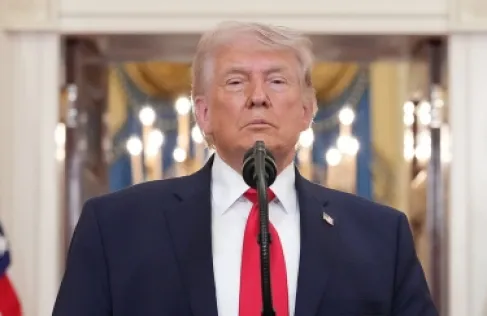
Khaberni - As the deadline set by U.S. President Donald Trump for Iran to reopen the Strait of Hormuz approaches, the question of navigation becomes more urgent: How can operations be resumed in this vital maritime route if the closure persists or if Tehran continues to control the movement?
In an analytical newsletter by the New York Times, writer Catherine Benhold presents a reading prepared by American writer Jim Tankersley, concluding that there are four options on the table regarding the strait, but the complexity lies not only in the ongoing war but also in the nature of the Strait of Hormuz itself, the intertwined international interests, and the difficulty of enforcing permanent security.
Naval Escorts
The first option is based on escorting commercial ships with naval vessels, a proposal pushed by France, while Washington urges Europeans and other allies like Japan to protect ships under their flags.
However, the report notes that this approach is costly, and its defensive capabilities do not guarantee deterrence of all forms of attack, especially if Iran were to revert to using drones or swift strikes, some of which could be enough to disrupt insurance companies and ship owners.
Mine Sweepers
The second option involves sending mine sweepers to clear the strait after the war. However, this possibility is accompanied by doubts from Western military officials that Iran may have already planted mines, making this option of limited feasibility, or just a supportive tool within broader arrangements.
Air Cover
The third option is providing air protection through fighter jets and drones to intercept any attacks on ships. However, like the previous options, it remains costly and does not provide a full guarantee because one successful strike could undermine confidence in the entire route.
Diplomacy
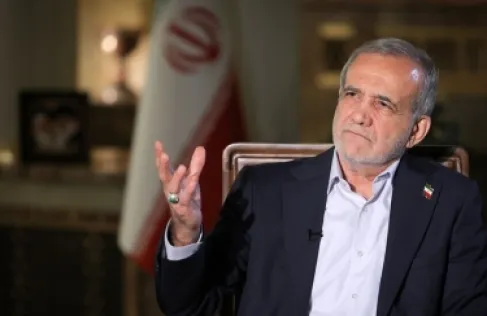
The fourth option, considered the most realistic according to the report, combines diplomatic pressure and military means, i.e., pushing Iran through negotiations and economic pressures to refrain from targeting ships, while keeping deterrence tools in place to enforce that.
Nevertheless, the report clarifies that this approach also does not offer a guaranteed solution, especially as negotiations have not yet succeeded. Meanwhile, Tehran has announced its intention to continue controlling traffic in the strait even after the cessation of hostilities, and even to impose transit fees on it.