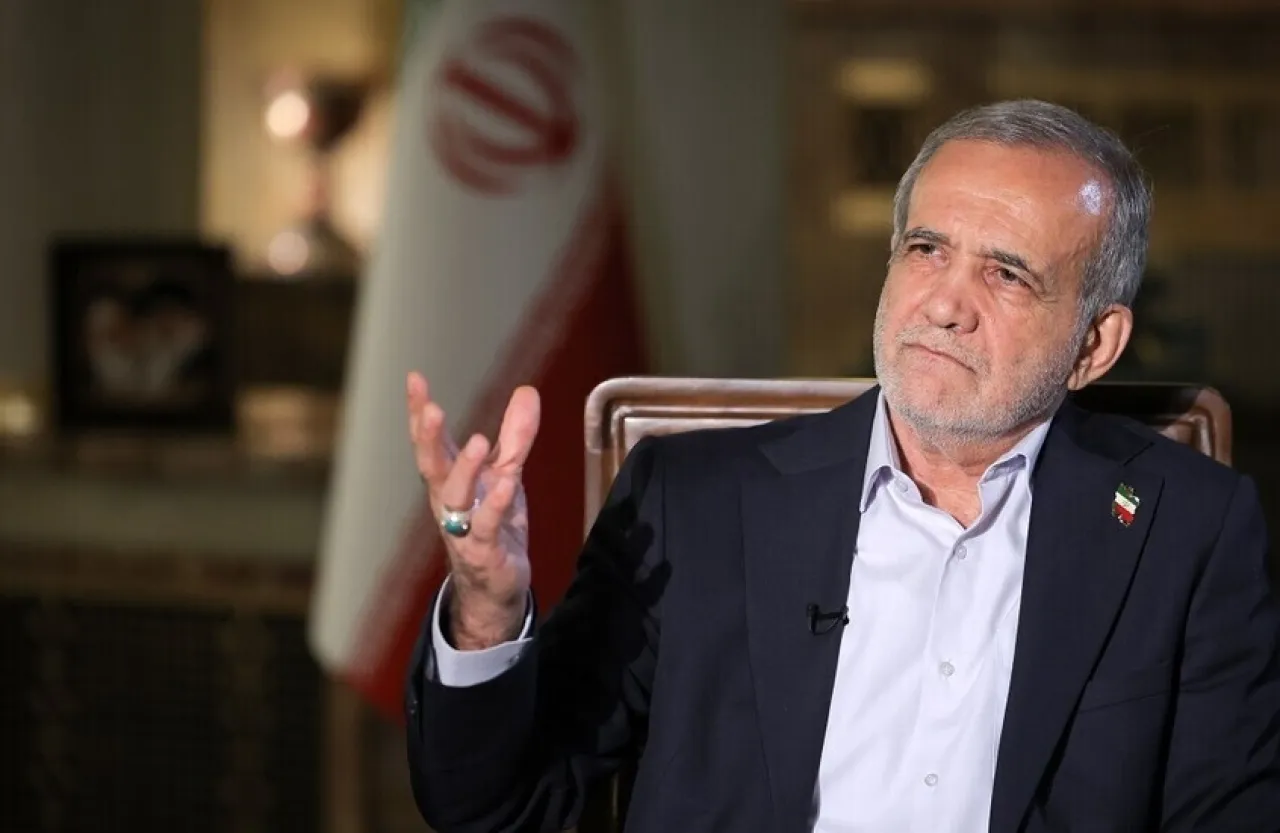
Khaberni - The formation of the Supreme Council for National Security in Iran and its internal dynamics solidify the position of President Masoud Bizshkian as the official director of the war file, with the decisive influence remaining in the hands of the Guide and the Revolutionary Guards institution.
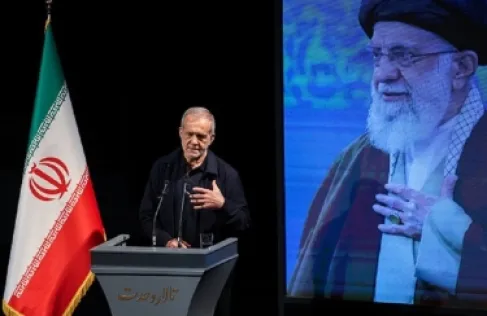
Today, Tuesday, the spokesperson for the Iranian government, Fatima Mahjarani, confirmed that the management of the Supreme Council for National Security is handled by the President, and that support for the war is among the important issues featured in Bizshkian's repeated directives.
Bizshkian presides over the council and manages its meetings, while the former commander in the Revolutionary Guard, Mohammad Baqer Zolqadr, has held the position of the Secretary-General since March 2026, which enhances the presence of the Guards within the security and military decision-making chamber.
The council's composition, which generally does not disclose the full names of all its members, includes the heads of parliament and the judiciary, commanders of the armed forces (Chief of Staff, Army Commander, Revolutionary Guards Commander), alongside the ministers of Foreign Affairs, Interior, Intelligence, and Defense, as well as representatives of the Guide including Saeed Jalili, bringing the total number of members to about 13 from the political, security, and military apex of the country. Despite this diversity, the ultimate say practically lies with the Guide through his representatives and the final ratification mechanism of the council’s decisions.
In his latest directives, Bizshkian linked the continuation or cessation of the war with obtaining international "fundamental" guarantees that prevent the repetition of attacks and ensure Iran’s rights and compensation for damages, affirming that Tehran possesses the "necessary will" to stop the fighting provided these conditions are met. Internally, he emphasizes supporting the war effort and the unity of the home front, considering public mobilization and supportive demonstrations part of the Iranian deterrence power, with a warning that continuing the war without a clear political horizon is "costly and unproductive".
As for the Revolutionary Guard, it retains a permanent presence inside the council as a key military reference, with its commander being an essential member alongside the Chief of Staff and Army Commander. They actively participate in formulating defense policies and setting response strategies against the United States and Israel. The appointment of Zolqadr as the Secretary-General is seen as further entrenching the Guard’s role in managing the war and national security file, transforming the council into a coordination platform between the presidency, military leadership, and the Guide instead of just being an advisory framework.