Khaberni - The British «The Guardian» newspaper warned of the impact of the rapid rise in energy costs globally on the artificial intelligence sector.
It stated that against the backdrop of geopolitical tensions associated with the Iran war, the escalation could cast a shadow over the rapid growth of the sector, which primarily depends on an infrastructure that is intensive in energy consumption.
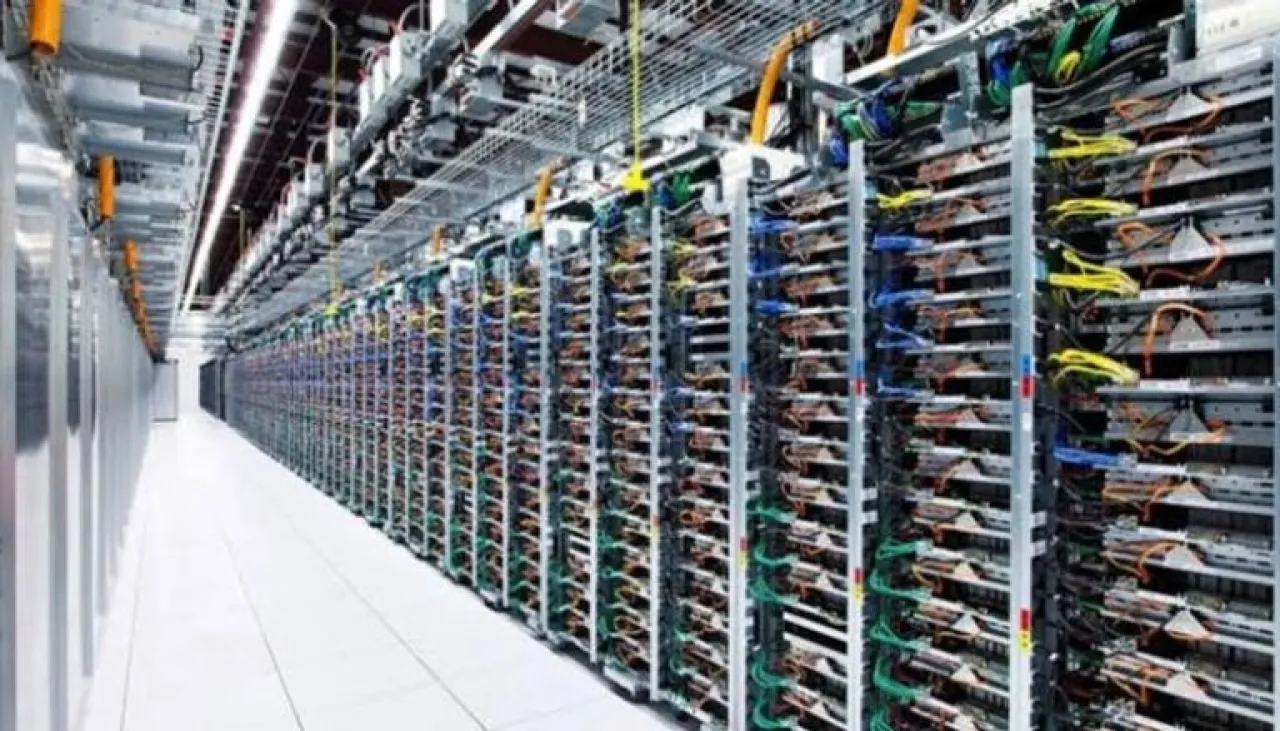
The newspaper pointed out that disruptions in oil supplies and rising prices have led to a significant increase in the operational costs of data centers, which are the fundamental pillars for the development and operation of artificial intelligence systems. These centers rely on huge amounts of electricity to continuously operate servers and process data, making them highly sensitive to any fluctuations in energy prices, especially in light of the global expansion in the use of artificial intelligence applications in various sectors.
According to the report, the continued rise in energy prices could slow down the pace of investments in this sector, particularly with the rise in operational and infrastructure costs, which may lead some companies to reconsider their expansion plans or delay new projects, despite the increasing demand for artificial intelligence services.
The newspaper’s report also noted that the financing models used in developing data centers have become more complex, as some companies depend on off-balance-sheet debt structures, which could increase financial risks if there is an economic slowdown or a decline in expected returns. It mentioned that this style of financing raises concerns among some experts, due to its similarity to financial practices that preceded previous economic crises.
In the same context, the report explained that the rising energy costs do not only affect technology companies, but also extend their impact to the global economy as a whole, through increasing inflation rates and reducing purchasing power, which could lead to a decrease in investments in advanced technological sectors, including artificial intelligence.
The newspaper added that the increasing demand for energy by major technology companies, which are aiming to operate more advanced artificial intelligence models, could increase the pressure on electrical grids, especially in countries that rely on traditional energy sources, posing additional challenges related to environmental sustainability and production costs.
Analysts believe that these developments may prompt companies to explore alternatives, such as investing in renewable energy sources or improving energy efficiency within data centers, as a way to mitigate the impact of fluctuations in energy prices.
The report concluded by affirming that the future of artificial intelligence will closely be linked to developments in the energy markets, and that the continuation of geopolitical crises may impose a new reality, where the cost of energy becomes a decisive factor in determining the trajectory of technological innovation globally, potentially reshaping the priorities of investment in this vital sector over the coming years.