Khaberni - Scientists warn of the implications of plans to launch tens of thousands of mirrors into space to provide "sunlight on demand", confirming that this step could lead to planetary-level sleep disturbances, with potential impacts on humans and the environment.
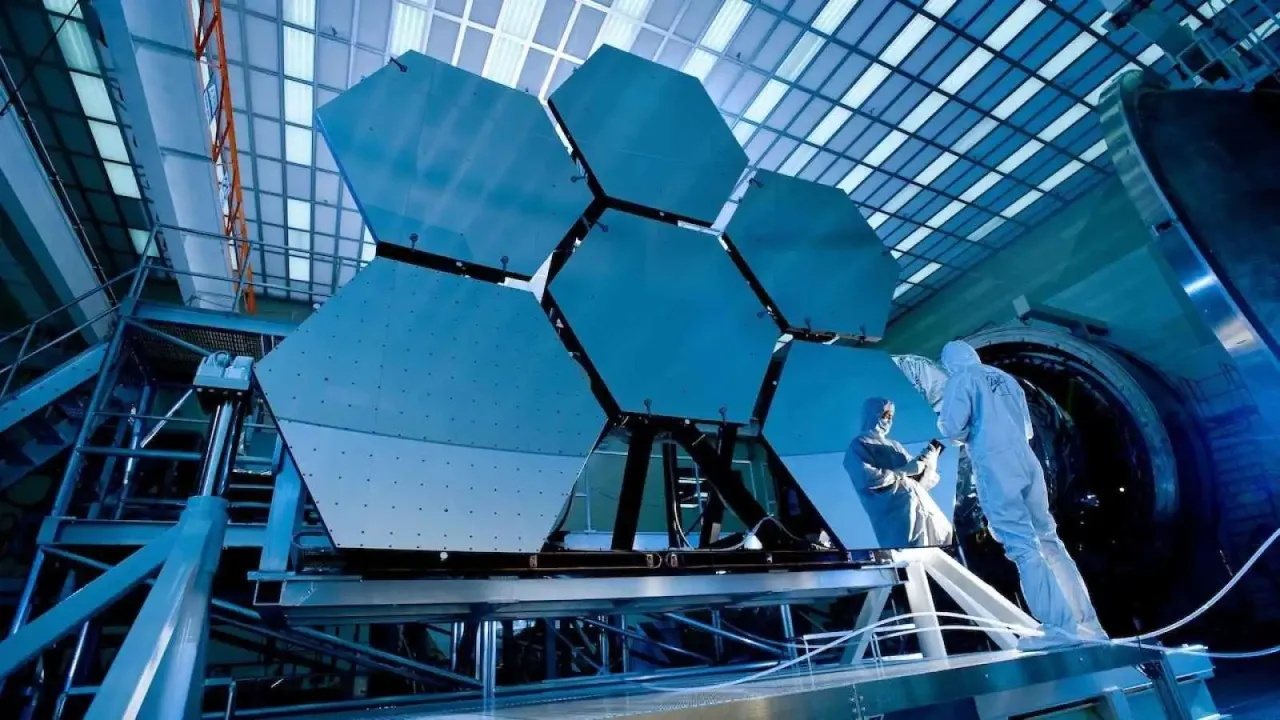
The emerging company Reflect Orbital, based in California, is seeking approval to launch an experimental mirror measuring 18.3 meters into orbit, which will reflect sunlight towards the Earth.
According to the company's plans, as per "Daily Mail", the mirror will be positioned at an altitude of about 640 kilometers, to light an area up to about 4.8 kilometers wide, in a step aimed at supporting solar power stations, providing lighting in disaster areas, and even replacing street lighting.
Warnings of "circadian rhythm" disturbance
Despite the technical ambitions, the project has raised widespread concern in the scientific community, where experts have warned that changing the pattern of natural light at night could affect the biological rhythms of living organisms.
Several international scientific associations, including the European Society for Biological Rhythms, submitted memos to the Federal Communications Commission, confirming that the project could cause a "radical change in the nighttime light environment on a planetary level".
Scientists have pointed out that the alternation of night and day is not just a natural phenomenon, but a fundamental element that regulates sleep and hormone secretion in humans, in addition to its impact on the behavior of animals and plant growth cycles.
Risks extend to the environment and food security
Researchers believe that the project could lead to disturbances in breeding and migration seasons of animals, and could confuse plants that rely on darkness in their biological cycles, ultimately reflecting on food security.
In this context, scientists have warned that increased night lighting could cause migratory birds to change their routes, or cause some creatures to emerge from hibernation at inappropriate times, while plants may bloom in the absence of pollinators.
Experts have also indicated that the additional artificial light could affect the sleep quality of humans, especially in areas that will receive this light directly.
Additional concerns related to safety and astronomy
Besides the environmental impacts, critics have warned that the mirrors could distract pilots and affect the operations of astronomical observatories, potentially threatening scientific research related to space.
Environmental organizations, such as DarkSky, have expressed their concerns about introducing a new source of artificial light into the nighttime sky, for the risks it poses to ecological systems.